Choosing between leasing and buying medical equipment is a pivotal decision for any facility or healthcare practice. Both options have their own set of pros and cons, making them viable choices for different situations.
Leasing typically offers a lower upfront cost, greater flexibility, and access to the latest technology. On the other hand, buying provides all the benefits of ownership, allowing facilities to make modifications without being tied to a lease agreement. Although the high upfront costs may not be achievable for many practices.
Ultimately, this decision should come down to your facility’s needs, your financial position and the type of medical equipment you’re looking to invest in.
Advantages of Leasing
Choosing to lease medical equipment is becoming an increasingly popular choice amongst healthcare providers for the following reasons:
- Lower initial cost – When you choose to lease, you typically won’t be required to make a large sum payment, which can make it easier for clinics, especially smaller ones, to manage their finances. Instead of a single down payment, your costs are paid over a uniform leasing period. Purchasing medical equipment can be costly, so by choosing to lease, you can free up capital for other parts of your facility.
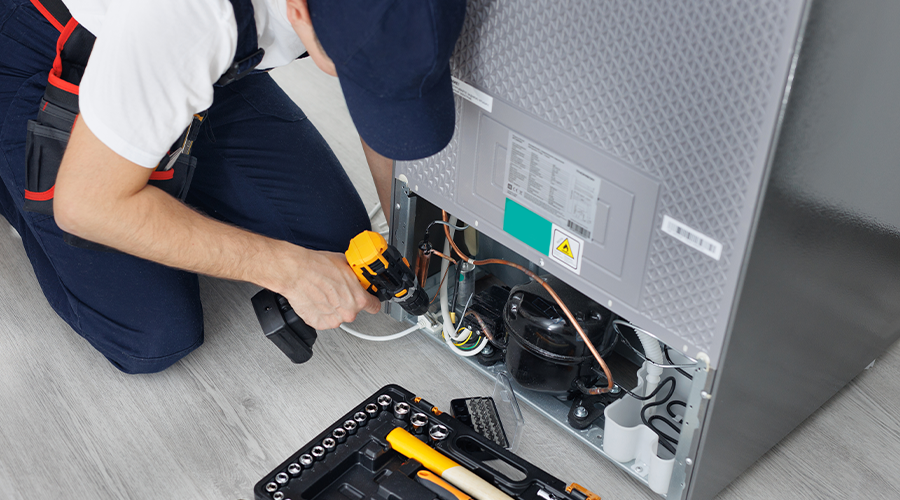
- Financial flexibility – Leasing agreements can be beneficial for medical facilities by providing critical financial flexibility when urgent access to equipment is required and capital isn’t immediately available. For example, a medical refrigerator may break down overnight, putting time-sensitive medication, such as vaccines, at risk. In these situations, obtaining financing quickly can be difficult, with rental agreements allowing facilities to access replacements without the burden of a large upfront cost. EuroChill offers a dedicated rental service across its range of medical refrigerators, with speedy delivery and flexible contracts.
- Suited to a range of industries – Leasing agreements are particularly well suited to industries where equipment precision and reliability are critical. This includes clinical trials, in which operators need access to the latest technology to maintain data integrity and meet strict regulations. With lower upfront costs, leasing agreements are ideal for these industries. Leasing equipment can also appeal to pathology services, specialist private practices and medical research, where modern technology can be secured through more flexible financial arrangements.
- Access to latest technology – Medical equipment can evolve rapidly, and by choosing to lease, you can make more regular upgrades to more advanced technology. Outdated equipment can be a burden for any medical facility, with leasing aligning you with the cutting-edge of industry advancements, to deliver the best quality care and research.
- Flexibility – Leasing can provide you with the flexibility to choose the most appropriate equipment for your needs, without having to commit to the long-term prospect of buying outright. Many leases may offer flexible payment durations and opportunities to adjust your equipment when it becomes outdated.
- Predictable expenses – When leasing, your monthly payments are usually fixed. This can be beneficial for simplifying your financial planning, giving you greater clarity over your budget to manage your finances with confidence.
- Tax benefits – The tax you receive for leasing medical equipment is considered an operating expense, meaning it is fully tax-deductible. This means you can receive a more immediate financial relief, especially when compared to the depreciation benefits of buying.
Disadvantages of Leasing
Understanding the following drawbacks can help you make an informed decision for your medical facility:
- Long-term cost – Although leasing is cheaper in the short-term, over time it may exceed the outright purchase price. This is especially true if you lease equipment over a long lifespan, with factors such as interest rates and service fees. Ensure that you fully understand the terms of your lease period, and compare the total costs to ensure it works financially for you.
- Lack of ownership – The lack of ownership can be a major drawback, because you’ll have to continue making repayments for as long as you’re using the equipment. This means you’ll miss out on building any equity, and have nothing to show for your investment unless you choose to buy out the equipment.
- Equipment restrictions – Your leasing agreement may come with additional terms that restrict the ways in which you can use your equipment. Many of these restrictions may be focused on how the equipment can be used, limiting customisation and making it more difficult for your facility to operate with flexibility.
Advantages of Buying
Conversely, committing to the long-term prospect of buying your medical equipment can offer several benefits. These include the following:
- Ownership and equity – Purchasing medical equipment outright makes you the owner of a long-term asset. Once the equipment is paid off, you can use it for years without the burden of ongoing payments, which can be particularly beneficial for assets with a long lifespan. Even if the value of your equipment depreciates over time, it can remain a valuable asset to your facility, which can be sold as an investment or used as security for future loans.
- No ongoing payments – Once your equipment is fully paid off, you’re no longer tied down to any ongoing payments. You have a completely free asset, freeing up your facilities’ long-term budget from any nagging repayments to other investments or expenses.
- Greater control – The added benefit of ownership is that you can use the equipment exactly as you please, without any of the restrictions posed by a lease agreement. Any decisions related to upgrades or sales are completely down to your own discretion, providing your facility with added flexibility.
Disadvantages of Buying
Buying medical equipment can also come with significant downsides, which typically include the following:
- Higher initial cost – The biggest disadvantage to buying outright is the initial cost. Medical equipment can require a substantial investment of thousands or hundreds of thousands of dollars. Your facility may have to secure a considerable amount of financing, which can strain your budget and may impact your ability to deliver other critical services, such as maintenance or recruitment.
- Harder to replace equipment – If the needs of your facility change, or you’re looking for newer technology, replacing your medical equipment can be difficult. This is because you’ll likely need to sell your old equipment first, and you won’t be able to just automatically swap them out as you would at the end of a short-term lease.
- Technology obsolescence – Medical equipment, like other pieces of technology, is constantly being improved. These improvements can occur rapidly, meaning the equipment you recently purchased is constantly at risk of being viewed as less effective as new products enter the market. Maintaining a modern facility under these circumstances can be challenging, and will typically require equipment to be sold, and then require the cost of a new product.
Considerations to Help You Decide
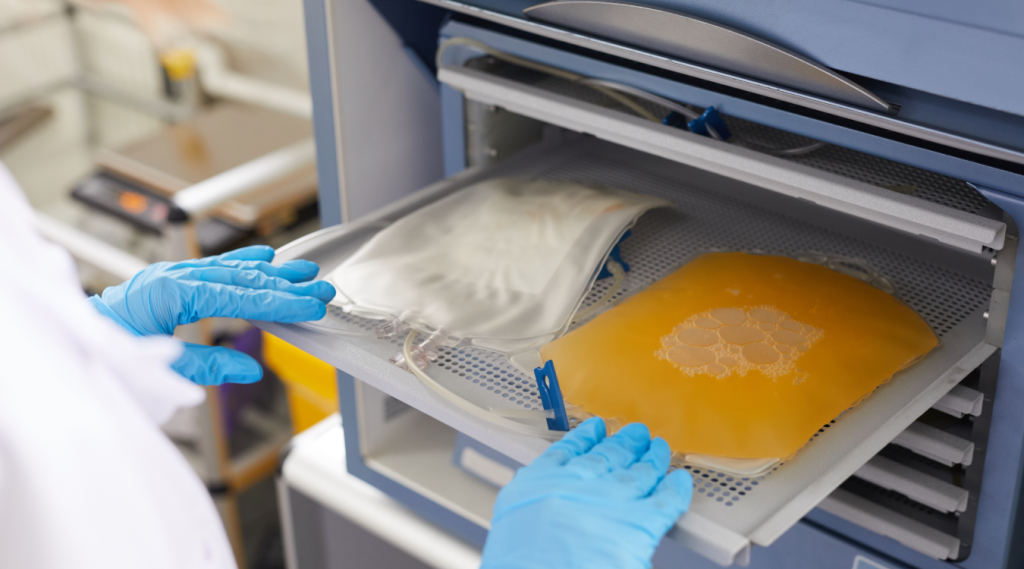
To make an informed decision about whether buying or leasing is right for your facility, it’s important to evaluate the following key factors:
- Facility financial position – Take note of your facility’s financial situation and projected earnings, as this will heavily influence which route you take. For example, you may not be in a position to afford the upfront costs, making a leasing arrangement more beneficial to preserve cash flow.
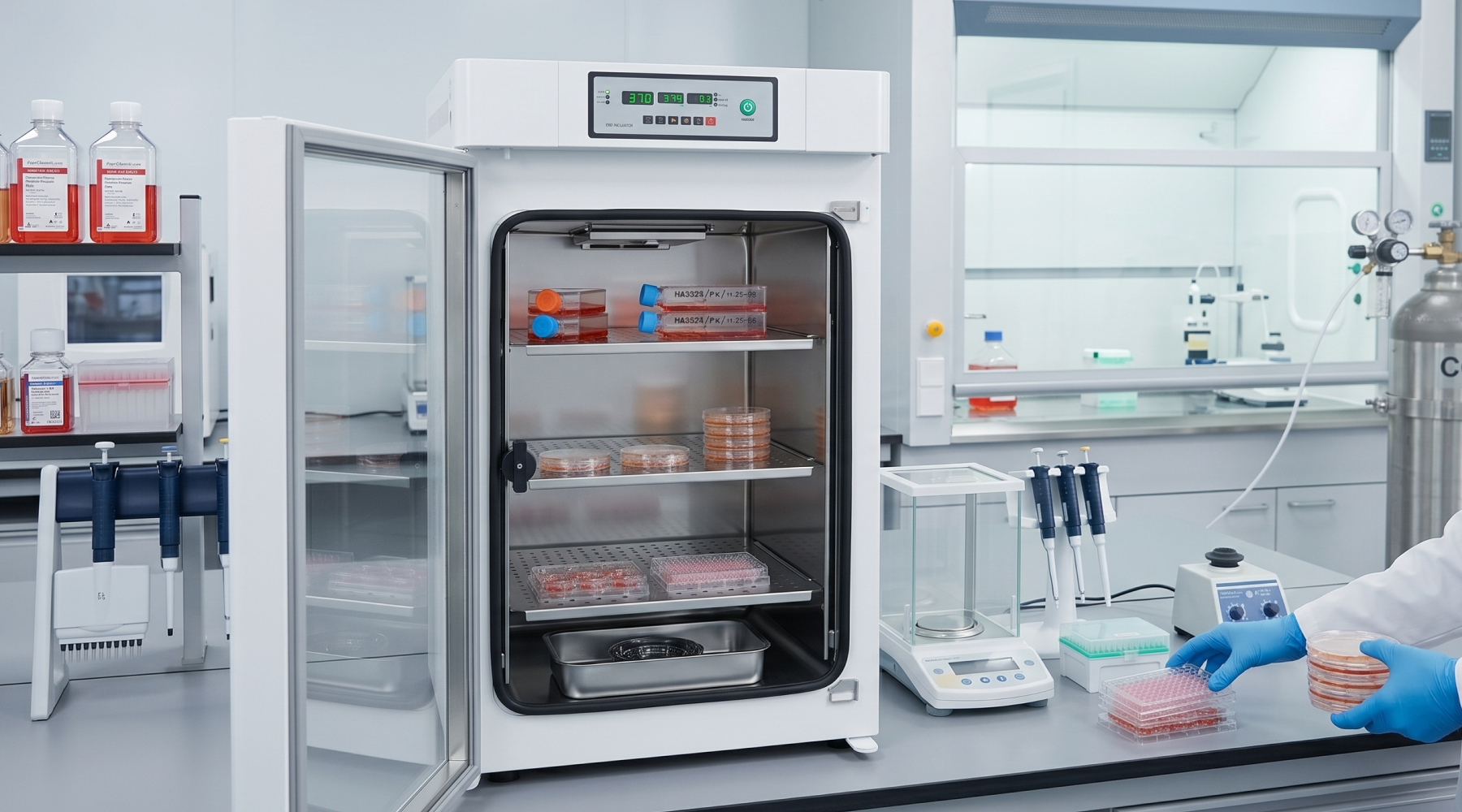
- Equipment type and lifespan – The type of equipment and its expected lifespan are important to consider. For example, certain high-tech equipment with rapid innovation cycles may need to be replaced more frequently, which may make leasing more suitable. While other equipment that will last for a long period of time without necessitating the need for upgrades, such as a CO2 incubator, may be better suited to buying to avoid leasing payments.
- Long-term plans – It’s also important to consider your long-term plans when making your decision. Particularly if you are leaning towards buying medical equipment, you should feel confident in your long-term plans to use this equipment for an extended period. Conversely, you may be planning to make future shifts in the strategy of your facility that require different equipment, where leasing may be more appropriate.
- Tax implications – Depending on which purchase option you choose, you will be subject to different tax benefits. Purchasing outright can allow for depreciation deductions, which account for natural wear and tear, and are great for equipment with a long lifespan. On the other hand, your leasing payments can be fully deducted as a business expense.
- Maintenance – Maintenance is a vital component of keeping your facilities’ equipment running effectively. If you choose to lease, equipment will typically have some form of service clause, in which maintenance is covered by the leasing company. Conversely, buying equipment outright will leave the responsibility for organising and paying for maintenance checks with the owner.
- Total cost of buying vs. total cost of leasing – Finally, the best option for you will likely be the one that is the most affordable. To understand the total cost of both options, ensure you undertake a detailed analysis. This must take into account factors such as purchase price, maintenance costs, lease payments and lifespan, and ensure your choice matches the financial capacity of your facility.
When Buying is the Best Option
Buying is typically the preferred option for larger, established facilities with a stable cash-flow that know exactly what equipment they need long-term. Although you will need to spend more in the short-term compared to leasing, the long-term cost will often be significantly lower.
Buying is particularly viable for equipment that is unlikely to become outdated in the near future, such as examination tables or other low-tech analog tools. You may also be a facility that tends to modify or personally customise its equipment, and want the freedom of ownership to make your own decisions.
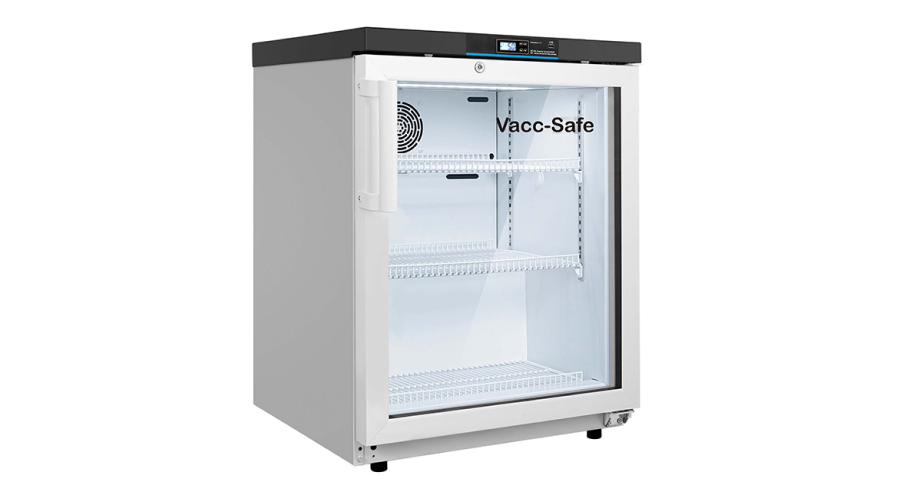
If buying is the best option, Vacc-Safe is Australia’s leading medical storage manufacturer and will be happy to help you choose the right refrigerator or freezer for your healthcare needs.
When Leasing is the Best Option
While buying is typically better for established facilities, newer small businesses may find a leasing arrangement a better fit. This is because the upfront costs are lower, making them an affordable short-term option for facilities without a sizable cash flow to afford a large deposit.
It’s also by far the better option when handling equipment that needs to be constantly upgraded. Particularly anything electronic, such as MRI or CT scanners, which tend to need more frequent maintenance and replacements to keep your facility modern. It can also be a viable long-term solution for industries such as clinical trials, where operators require access to the latest technology. Leasing agreements can help manage the high upfront costs, with the flexibility to lease for 3 to 10 years before moving on. If leasing is the best option, a company like Eurochill offers affordable access to high-quality medical refrigeration through its rental program, with minimal time lost during delivery and flexible contracts. For more information, please visit their website here.
Choosing between leasing and buying medical equipment is rarely a straightforward decision, and will likely depend on your facility’s financial strength, long-term plans and your choice of equipment. While buying offers greater independence and ownership, leasing can bring improved flexibility and short-term savings. Ultimately, when investing in medical equipment, you will likely utilise a combination of both options. If you’re looking for further guidance on adding the latest in medical equipment, please reach out to the experts at Vacc-Safe for support.