Because laboratories contain hazardous materials, chemicals and equipment that can cause accidents and injury, maintaining a safe working environment is essential. Lab workers and researchers spend hours in laboratory settings and may be exposed to risks from chemical spills, biological exposure and even explosions. Without appropriate safety measures, these hazards can put not only workers at risk, but also the wider community and environment.
For this reason, laboratories rely on specific rules, regulations and safe behaviours to minimise risks and prevent injuries, contamination and environmental damage. By understanding the importance of lab safety and following established procedures, workers can feel better prepared to identify potential hazards and respond effectively to incidents. This also helps to ensure a safe and productive laboratory environment.
What is Lab Safety?
Lab safety refers to the protocols and rules that protect personnel and the environment from potentially dangerous accidents and injuries. It is the process put in place to ensure those who work in labs are kept safe from the harmful effects of exposure to chemicals, vapours or biological agents. In practice, this means identifying hazards, using the right protective equipment and following established procedures for handling materials and equipment. Lab safety is essential for anyone who enters a lab, including researchers, technicians, students and visitors.
Types of Lab Hazards
Laboratories involve a wide range of risks, and not all of them are obvious. Some hazards, such as a chemical splash, will cause immediate harm, while others, such as chronic stress, can build up gradually over time. Lab hazards are generally grouped into the following:
- Physical hazards: These are categorised as environmental and mechanical factors that can cause bodily harm or material damage. Physical hazards transfer energy to the body and can cause immediate trauma or long-term damage. Workers may slip, trip or fall over in the lab or suffer from burns due to heating equipment or cold injuries from ultra-low freezers.
- Chemical hazards: Chemical hazards involve exposure to solid, liquid or gaseous substances that can cause acute or chronic health effects. Toxic fumes, flammable solvents, skin irritants and corrosive acids are examples of chemical hazards.
- Biological hazards: These are the infectious agents, biological materials or by-products that pose a threat to human, animal or environmental health. Biological hazards include viruses, bacteria, fungi, parasites and toxins that can cause harm through exposure.
- Ergonomic hazards: From repetitive work or awkward positioning while looking through microscopes, for example, researchers might suffer from carpal tunnel, tendonitis, or chronic neck pain. Moving heavy equipment, chemical carboys or large waste bins can also lead to exertion and strain on the joints.
- Psychosocial hazards: The aspects of work design, organisation and management that can cause physical or psychological harm are called psychosocial hazards. Examples include extreme time pressures, lack of autonomy over workflow, isolation and unsupportive workplace cultures. In a lab-specific setting, psychosocial hazards commonly include shift work and long hours, cognitive load and isolation. When chronic stress, isolation and low control go unmanaged, they can damage workers’ health and compromise lab safety.
The Importance of Lab Safety
Lab safety is essential to protect workers from accidents and injury. It helps to reduce the risk of environmental and community issues by having protocols and procedures in place. The reasons for lab safety are:
- Personnel protection: Labs are environments with hazardous chemicals, biological pathogens and radiation, so it is imperative to safeguard personnel from these elements. Protection of workers helps prevent acute injuries and chronic illnesses.
- Research integrity: To ensure the integrity of research and the data collected, it is important to keep a clean and safe environment. This includes keeping equipment clean and up to date with maintenance and repairs, and ensuring strict safety protocols are followed to help ensure research results are accurate.
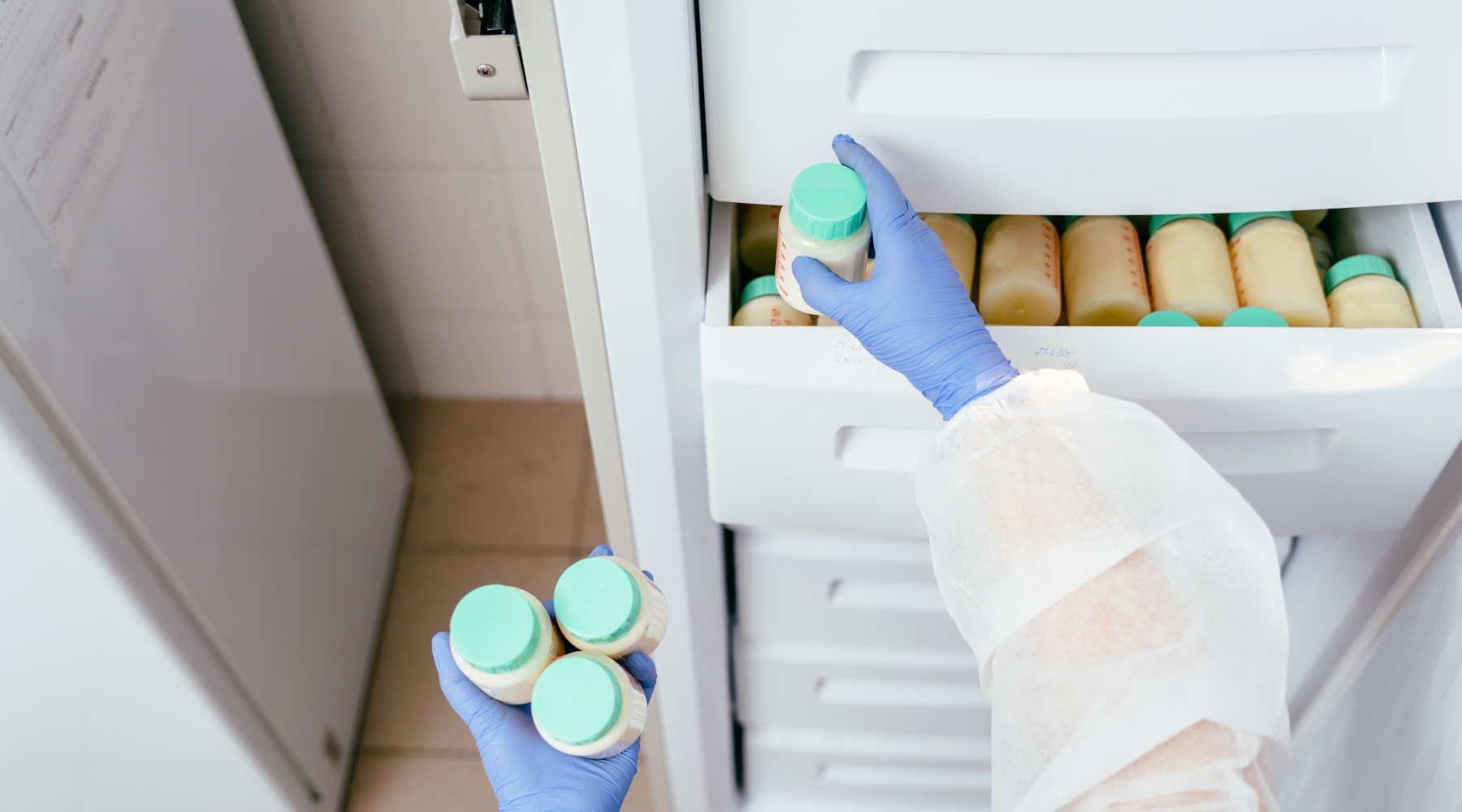
- Sample integrity and patient safety: In medical laboratories, lab safety also plays an important role in protecting patients. Samples, vaccines and other pharmaceuticals must be handled and stored correctly to prevent cross-contamination and degradation, which can affect the accuracy of diagnostic tests. Medical refrigerators and freezers play an important role in keeping sensitive materials safe at precise temperatures.
- Regulatory and legal compliance: Lab safety is governed by legally enforceable work health and safety (WHS) legislation, which requires the use of risk assessments, specific personal protective equipment and strict chemical or biological handling. Standards like the AS/NZS 2243 provide an important framework for laboratory safety, planning and operations in Australia and New Zealand. They offer valuable guidance for what a safe lab should look like. For medical and clinical laboratories, this extends to temperature-controlled storage, where continuous monitoring and accurate temperatures help demonstrate that samples and vaccines have been stored correctly.
- Public and environmental safety: Lab safety is also about the environment and public safety. High-level biosafety measures prevent accidental release of infectious pathogens that may lead to a health crisis.
How to Ensure Lab Safety
Lab safety relies on guidelines that are put in place for the protection of personnel, the environment and the community. There are practical ways to ensure lab safety, including:
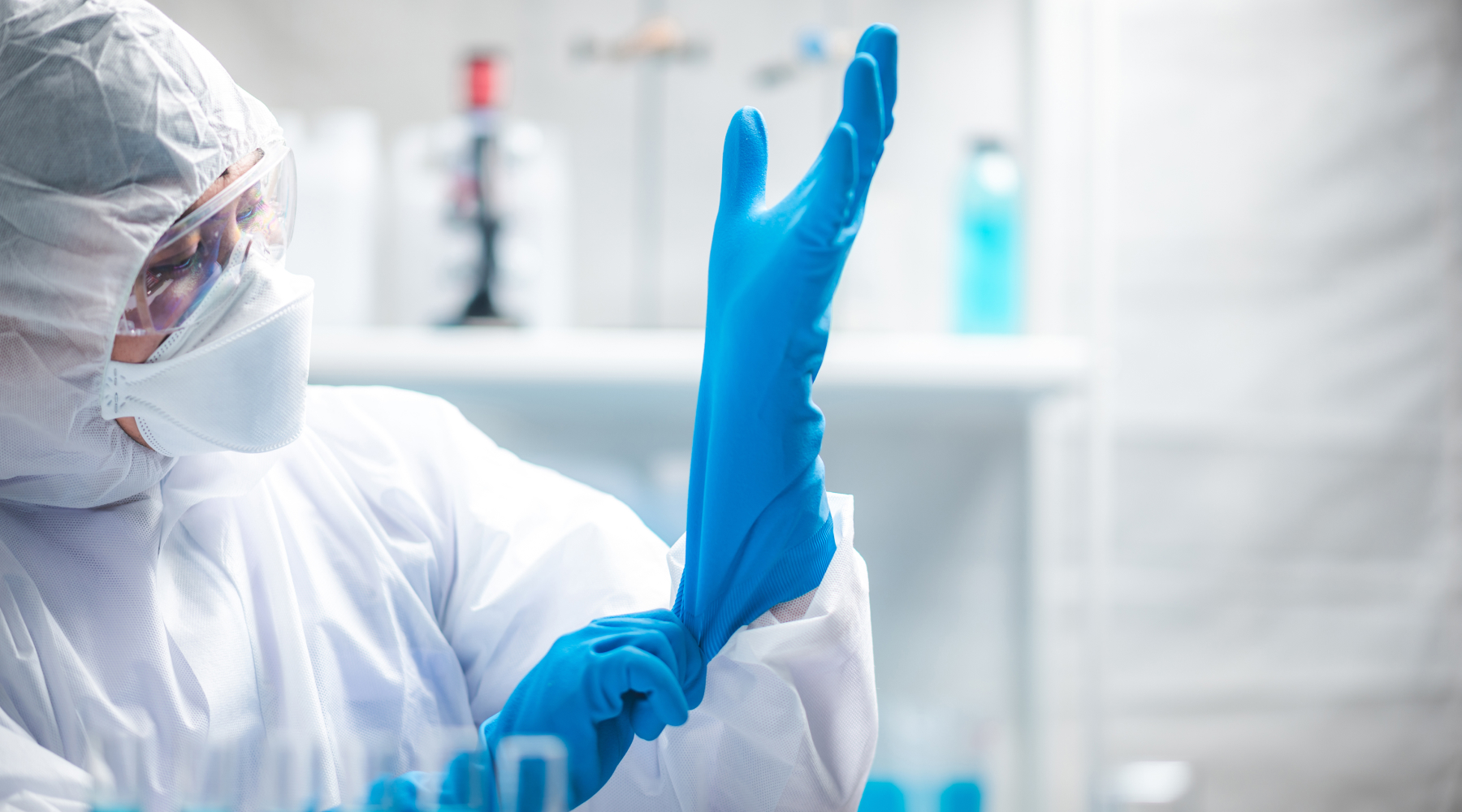
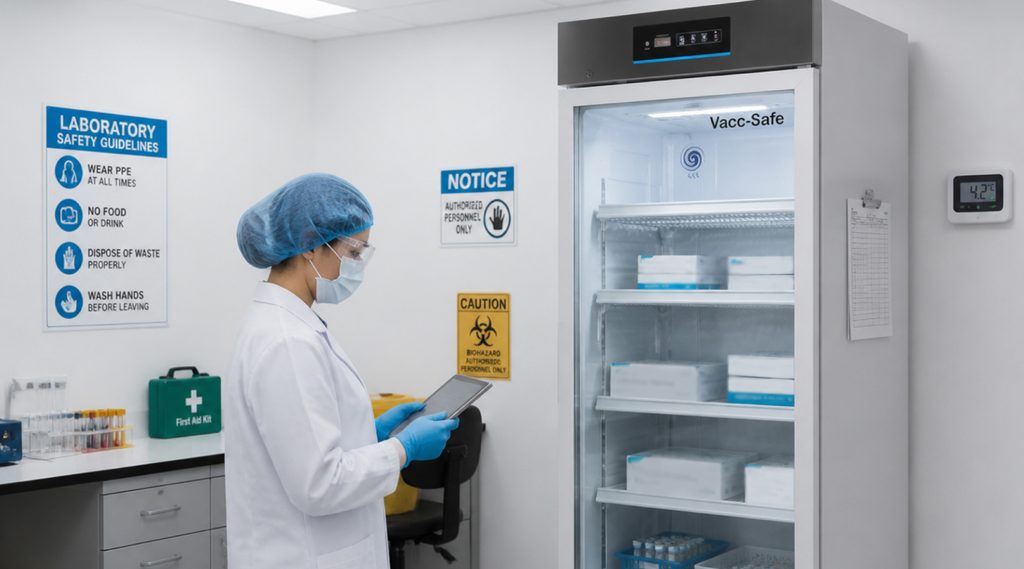
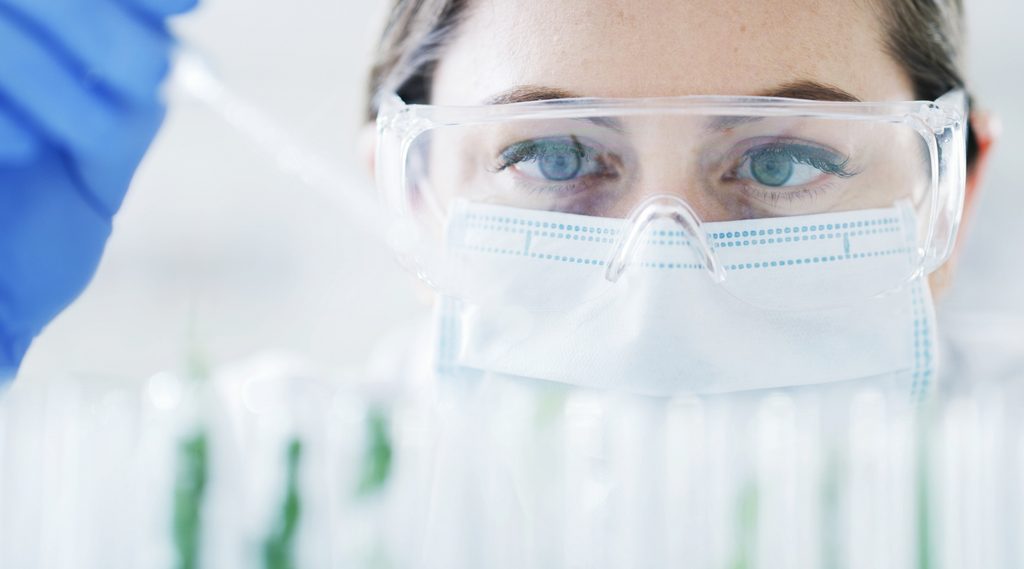
- Mandatory attire and PPE: Personal protective equipment is one of the best ways to prevent injuries in the lab. PPE creates a barrier between the hazardous materials and the body. It includes equipment such as safety goggles or face shields, gloves, lab coats, closed-toed shoes, masks and respirators, and hearing protection. The right protective gear prevents severe injuries, burns and airborne exposures. It relies on the protective coverage of exposed skin on the face, legs, arms, hands and torso. Goggles and eyewear protect the face and eyes from chemical splashes or impacts from hazardous vapours entering the eyes. Masks protect workers from fine powders and airborne contaminants, and earplugs and ear muffs protect from long exposure to high-decibel equipment. Hair should be tied securely behind the head to keep away from open flames or hazardous materials.
- Workspace management: A well-organised laboratory reduces the risks of accidents and improves efficiency, helping workers respond to incidents quickly. It is important that workspaces are kept clean and organised at all times. Lab benches should only have the materials and equipment needed for the task, and clutter that may cause hazards should be avoided. Hallways, corridors and emergency exits must be kept clear at all times. Additionally, chemicals and equipment should be stored according to compatibility, while biological materials and sharp objects should be kept in secure, designated containers. Laboratory equipment must be well maintained, cleaned and calibrated. Any damaged equipment should be reported and removed from use until repaired or replaced. A well-organised and maintained workspace can significantly reduce hazards and create a safe environment for personnel working within the lab.
- Temperature-controlled storage: Many sensitive laboratory materials, including vaccines, blood products and samples, will only remain safe to use when stored at a narrow temperature range. Even short temperature fluctuations can compromise their efficacy for testing or patient use. Unlike domestic fridges, medical-grade refrigerators and freezers are specially designed to hold stable, precise temperatures.
- Hazard assessment and risk management: Before working in the lab, it is important to identify potential hazards and assess the risks associated with them. This may include identifying hazardous energy sources, chemical and biological materials, and who may be harmed or exposed. Appropriate controls and emergency procedures can then be established and implemented.
- Incident and waste management: Clear procedures in incident and waste management are required for lab safety to protect workers from toxic exposures, injuries and contamination. To help with incident and waste management, waste is segregated to prevent mixing with other substances, needles are properly discarded in puncture-proof containers, and emergency response procedures are put in place in the event of an incident.
Lab Safety FAQs
Where do I find information about a chemical?
General information about chemicals can be found in their Safety Data Sheets (SDSs). These documents are available online or in paper form and detail potential hazards and safe handling procedures.
What do I do if a chemical splashes in my eyes?
Immediately flush eyes at an emergency eyewash station for at least 15 to 20 minutes. Hold the eyelids open and roll the eyeballs. Remove contact lenses if you can do so without delaying flushing. Seek urgent medical attention.
What type of clothes and shoes need to be worn in a lab?
Wear full-length pants or a long skirt, and a long-sleeved shirt to cover all exposed skin. Avoid loose clothing and synthetic materials that can melt. Avoid dangling jewellery. A flame-resistant lab coat is highly recommended.
When do I need to wear safety goggles?
Wear safety goggles whenever handling or pouring chemicals, or during any procedure when liquids, particulates or flying debris can splash into the eyes. Keep them on from the setup phase to the final cleanup.
What should I do if there is a chemical spill in the lab?
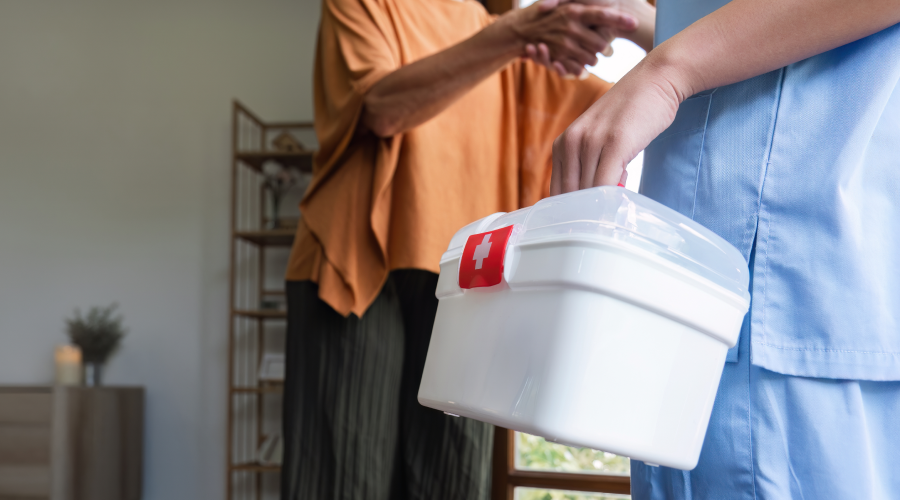
Whenever a chemical spill occurs, make sure to alert others to the area straight away. If the spill is large or hazardous, also notify your supervisor or emergency contact. For smaller spills, make sure you are wearing the appropriate PPE, contain the spill with a suitable spill kit and dispose of it according to your lab’s procedure.
Lab safety is essential for protecting personnel from hazardous materials, preventing accidents and contamination, and maintaining the integrity of research. By identifying potential hazards and following all the appropriate procedures for PPE, workspace management, waste disposal and incident response, laboratories can reduce risks and create a safer working environment. Backed by WHS legislation and AS/NZS 2243 standards, lab safety gives workers the confidence to focus on their tasks without fearing accidents or contamination. For laboratories that are handling temperature-sensitive materials, Vacc-Safe offers a range of high-quality medical refrigerators and freezers to maintain the precise storage conditions needed for a safe laboratory.