Because insulin is a sensitive protein that can break down when exposed to extreme temperatures, it should be stored in a refrigerator between 2°C and 8 °C. Although there are situations in which there may be no available electricity, such as during a power outage or while travelling.
To ensure your insulin doesn’t become ineffective without electricity, we recommend storing these products within a medical-grade refrigerator or cooler, and avoiding any DIY bags. Your insulin should be monitored at all times when left without power, and should be discarded if you spot any changes in appearance.
Even for medical facilities, power outages can occur at any time, making it important to develop a plan for emergencies and to know exactly how to keep your insulin cool without electricity.
Understanding the Cold Chain for Temperature-Sensitive Medicines
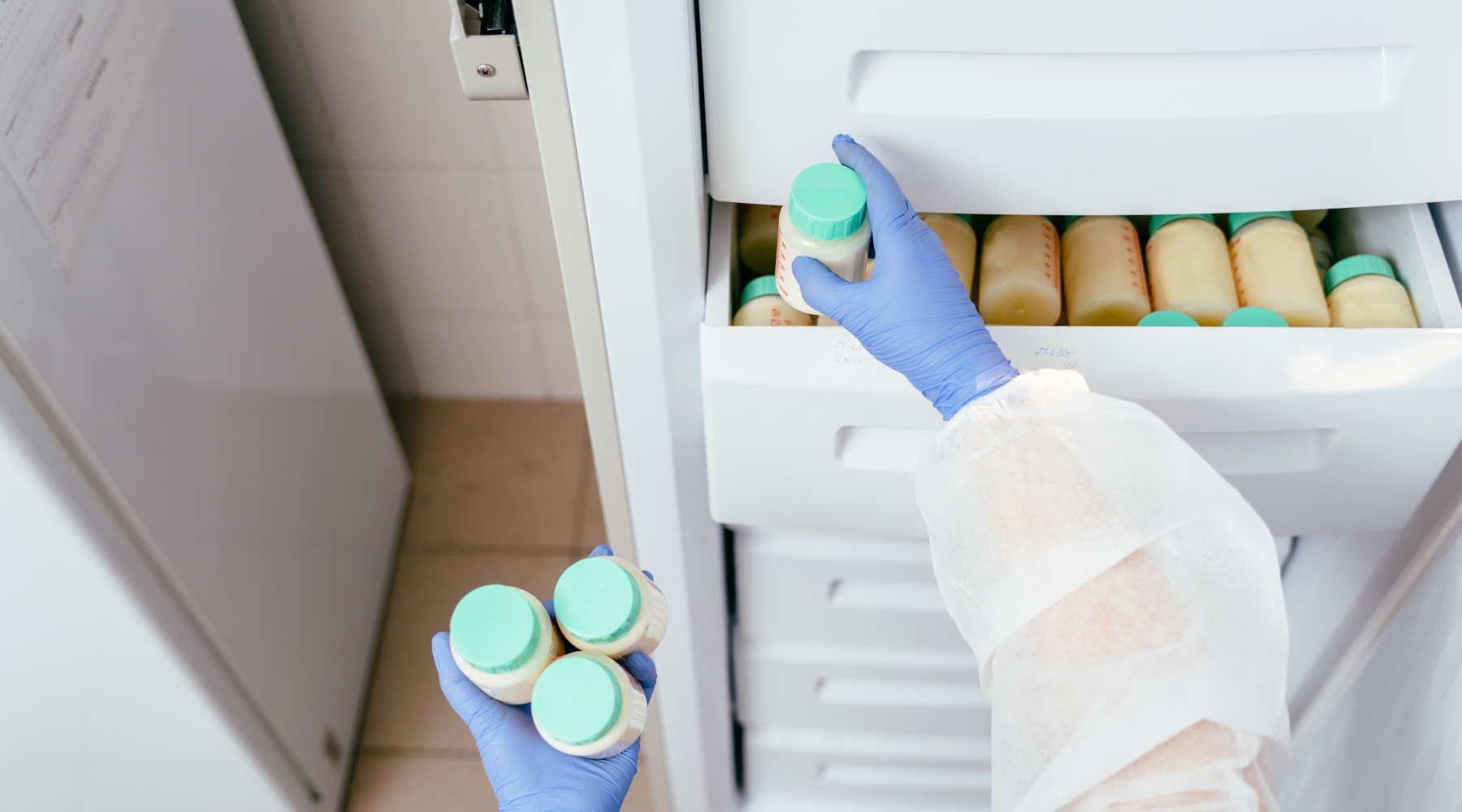
When referring to keeping medicine, such as Insulin refrigerated, it’s important to explain the role of the cold chain. This refers to the supply system designed to maintain a specific temperature range in order to preserve the quality and efficacy of a stored product such as vaccines, food, pharmaceuticals and other temperature-sensitive goods.
The cold chain begins once a temperature-sensitive product is manufactured, and continues all through transport and storage, and only ends once it reaches the end customer. Refrigeration is the core of the entire cold chain system, ensuring products are kept within a set temperature range, typically between 2°C and 8°C. The cold chain helps keep temperature-sensitive products, such as insulin, safe through manufacturing, transport, and storage.
Why Must Insulin Be Refrigerated?
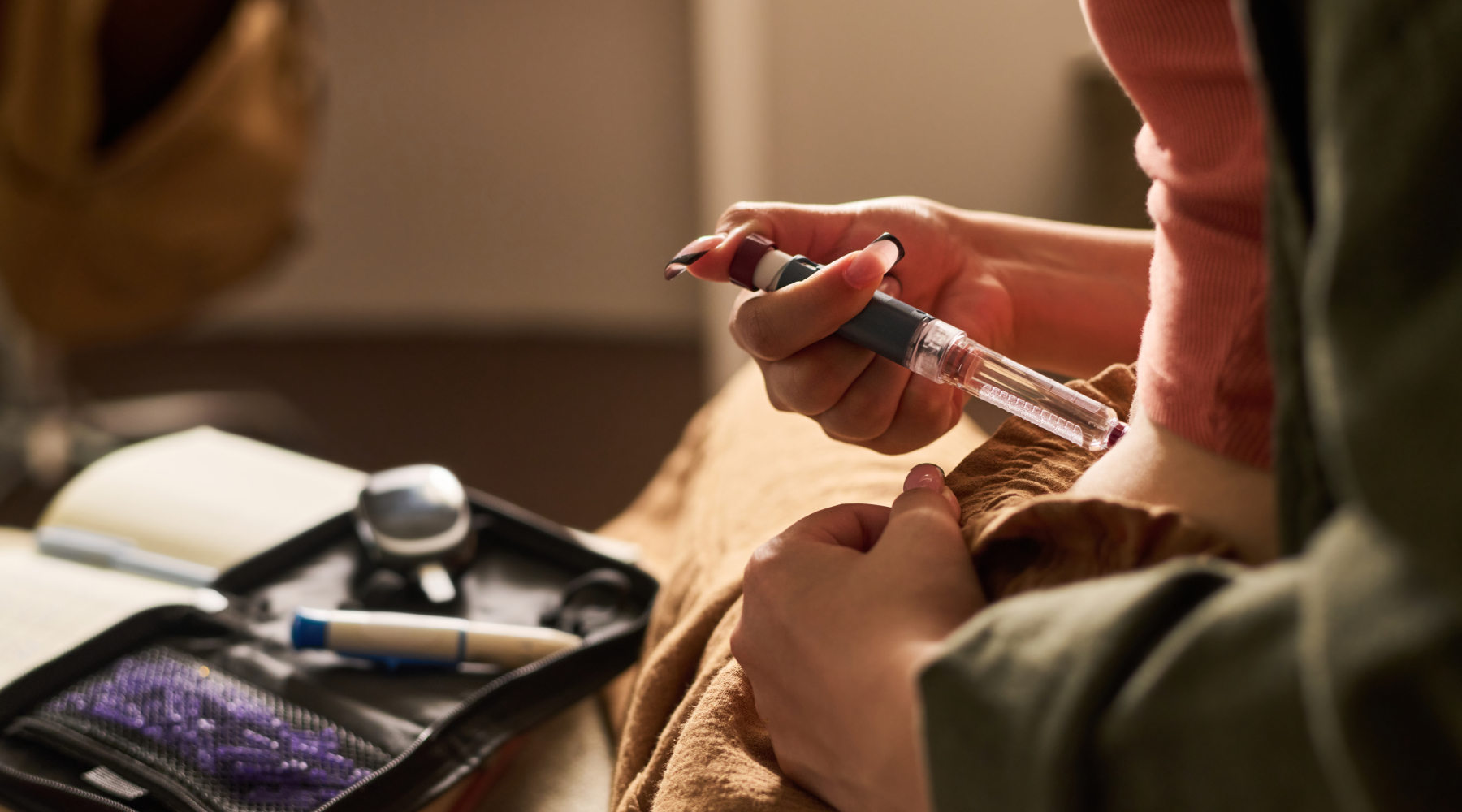
Insulin, like other pharmaceuticals, must be refrigerated to maintain its efficacy and to ensure it works correctly to regulate someone’s blood sugar levels. Refrigerating helps to prevent any degradation from occurring, suppressing any bacterial growth and preserving its effectiveness over time.
Using insulin that hasn’t been correctly refrigerated isn’t necessarily harmful, as it won’t cause an illness or poison you by itself, merely that it won’t work as intended. People who rely on insulin to treat their diabetes may be at risk of developing severe or prolonged hyperglycemia (high blood sugar). For those with type 1 diabetes, using unrefrigerated and ineffective insulin can lead to Diabetic Ketoacidosis (DKA), a potentially life-threatening condition where the body lacks enough insulin to process sugar, and can lead to a diabetic coma.
What Happens If You Don’t Refrigerate Insulin
When left unrefrigerated, insulin can spoil and become much less effective. This is because insulin is a protein dissolved in water, and like other proteins, it will naturally spoil over time and start to break down.
Insulin is designed to help sugar get from the blood to the body’s cells to be used for energy, working like a key by attaching to insulin receptors on cells that tell the cells to let glucose in. However, when insulin gets too hot or too cold, its fundamental shape can be altered, meaning it won’t work as well because it can’t attach to the receptors properly, like a bent key that won’t fit in the lock.
Some of the visual signs to look out for with insulin that hasn’t been refrigerated correctly include any signs of clumping, with solid particles or crystals forming in the liquid, as well as any discolouration. If your insulin shows any of these signs, we recommend discarding it, even if it has been refrigerated.
How Long Can Insulin Last Without Being Refrigerated?
When left unrefrigerated at room temperature, insulin can last up to 28 days. This should be the same for a brand-new vial or pen, as well as one that’s already been opened. Although the exact lifespan will depend on how it is stored. For example, if your insulin is exposed to direct sunlight or temperatures over 30°C, it will lose its potency at a rapid rate. Ensure your insulin is stored in a shaded, cool location, with a comfortable temperature between 20°C and 25°C if refrigeration is not possible.
How Do You Keep Insulin Cold Without Electricity?
If there’s a power outage or you’re looking to transport insulin without available electricity, there are several things you can consider to help you keep your medicine cool. They include the following:
Use a portable refrigerator
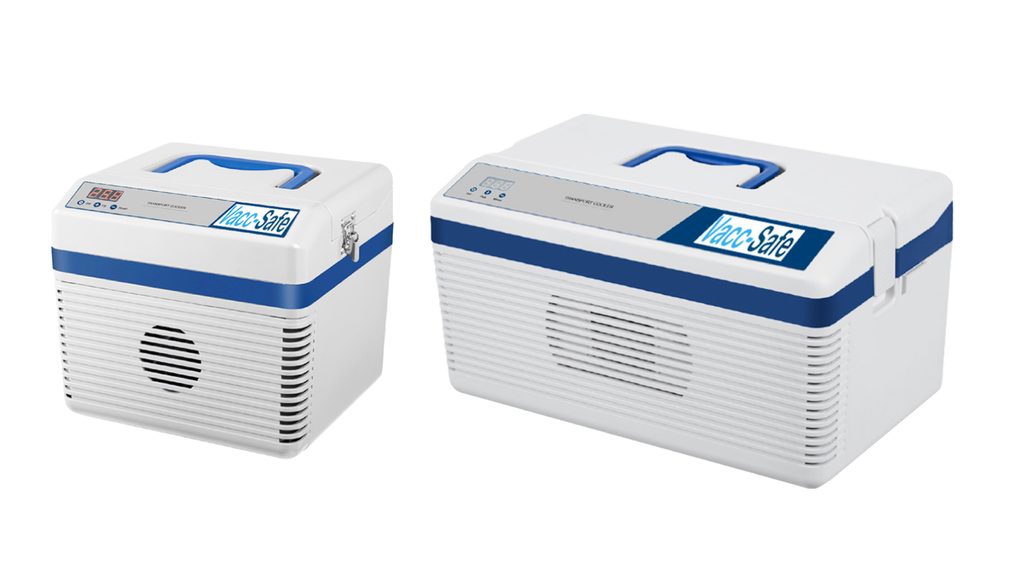
The most reliable way to keep your insulin cold without electricity is to invest in a medical-grade portable fridge, such as the Vacc-Safe Portable Refrigerator. They come with an in-built battery to display temperature when there’s no power, and although they can only hold temperatures for up to 2 hours without power, they have a range of input voltages, meaning the controller battery can be recharged via USB power banks or portable batteries. The unit itself does not recharge.
These fridges are specifically designed to maintain a consistent temperature between 2°C and 8°C, making them ideal for keeping insulin safe. Depending on your insulin requirements, they can come in various sizes, with some models, like Vacc-Safe, also featuring additional features such as alarms and digital temperature displays.
Consider a portable cooler
If you don’t have access to a medical-grade portable refrigerator or you don’t have any way to power it, consider using a portable cooler. Typically, these coolers rely on crystal packs or specially formulated gel that can be activated by freezing or soaking in cold water. Make sure this is a medical-grade cooler, as any DIY setups may not be able to maintain the required temperature range. Coolers that are specially designed for transport and power outages can maintain temperatures of 2°C to 8°C for up to 52 hours or more, with their lightweight design making them perfect for emergencies or travel.
Avoid DIY cooler bags
We recommend avoiding any DIY cooler bags or lunch packs that are filled with ice. Although this can seem like a budget-friendly, straightforward way to keep your insulin cool without electricity, this should be avoided because they are not designed for a medical purpose. Insulin must be kept at a temperature between 2°C and 8°C, and because they are not designed for this range, they are much more likely to have more persistent temperature variations. Furthermore, if the ice within the cooler bags melts, there could be a risk of water getting into your insulin.
Ensure You Monitor the Temperature
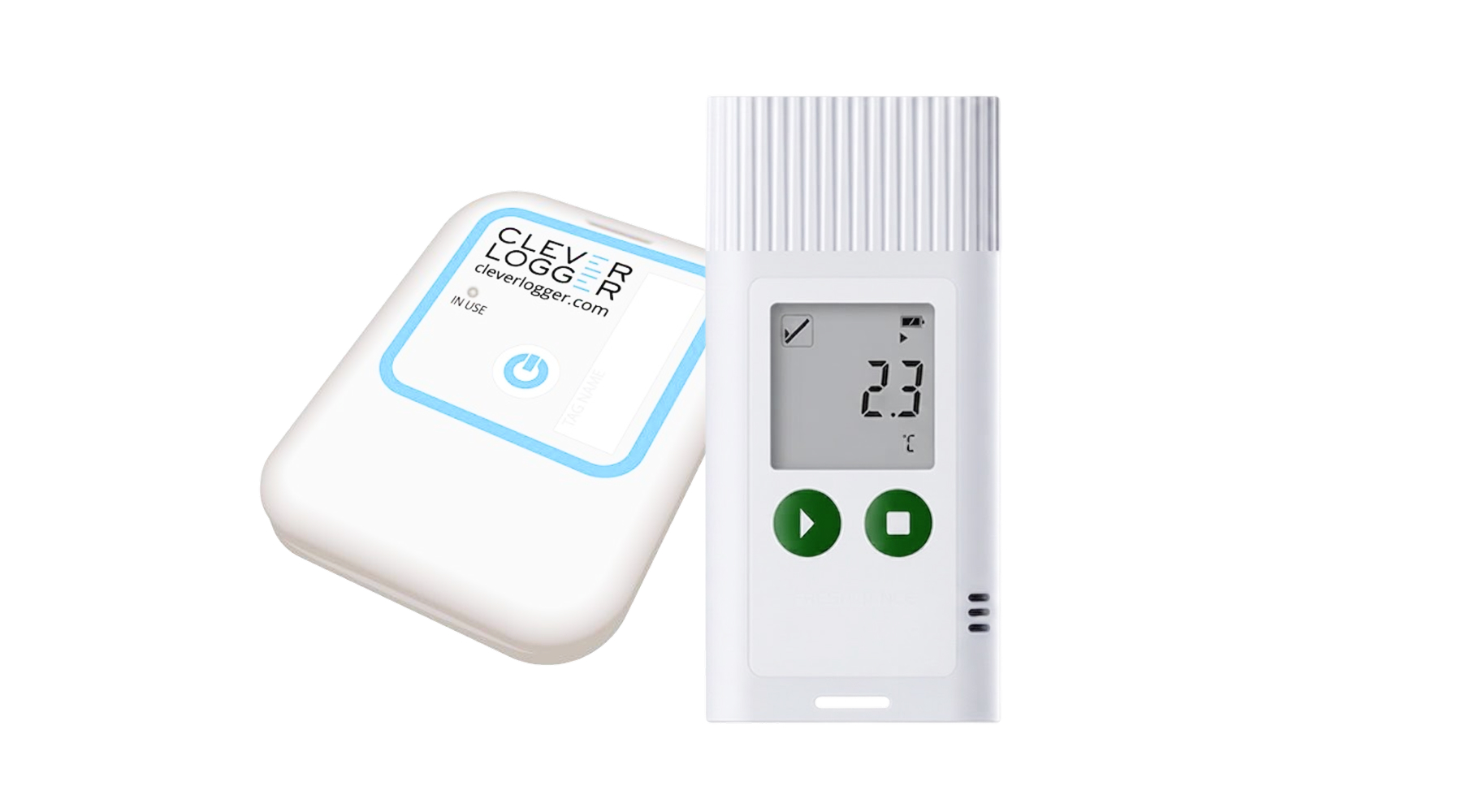
It doesn’t matter what type of refrigerator or cooler you use, you must be constantly monitoring and tracking any temperatures inside. This ensures you can spot any potential “cold chain breaches” before they occur, where the temperature moves outside the safe 2°C and 8°C. The use of specific monitoring devices will be central to this, helping to track internal temperatures as accurately as possible. Devices such as a maximum/minimum thermometer placed with the insulin, and data-loggers can help support your monitoring.
Position carefully and avoid freezing
Remember that your insulin can also be damaged by being frozen. Ensure you position your insulin as close to the centre of your cooler or refrigerator as possible. This helps to expose it to the most stable conditions possible, such as areas near the back wall, or near the door shelves and cooling vents, which are more at risk of temperatures below freezing. If frozen, your insulin should be thrown away, as the freezing process can compromise its ability to lower blood glucose levels.
How to Travel with Insulin That Needs to be Refrigerated
When you choose to travel with insulin, you must ensure you keep it refrigerated between 2°C and 8°C. Certainly, travel presents its own set of challenges, and having to bring medication with you can only make packing more difficult to manage. If you’re travelling by car, consider storing your insulin within a medical-grade cooler.
Choosing to bring your insulin on a flight can prove trickier. Because space is limited, you likely won’t have room to support a big cooler. Many insulin travel cases are effective at keeping your vials at a safe temperature in a more portable size. You should always double-check that they are designed for storing medication between 2°C and 8°C.
When going through airport security, alert staff that you’re travelling with insulin prior to going through the screening process. They may then ask you to separate your insulin and diabetes supplies from your other belongings.
Emergency Preparedness Tips
Especially within a medical context, it’s vital to be prepared for any emergency situations, such as a power outage. To help keep your insulin as safe as possible, consider some of our tips for staying prepared for any emergency:
Have a plan for cold chain breach
Every facility should always have a backup plan or alternative storage that can be used if an emergency occurs. This should allow any insulin to be stored within the recommended temperature range of 2°C and +8°C, and to help minimise any losses. Common emergency plans may include having spare coolers for emergency situations such as a power outage. You may also organise a nearby Purpose-Built Vaccine Refrigerator (PBVR) offsite, such as a local hospital or pharmacy, who have agreed to take on the short-term responsibility of housing your pharmaceuticals.
Have a way to power devices
Your facility must have multiple backup power options to ensure your devices can continue operating. Standard options include traditional fuel generators and external battery backups.
Stay informed and contact relevant organisations
To ensure you respond effectively to a cold chain breach, you should establish clear contact protocols with the organisations relevant to you. For example, contacting the direct manufacturer of the insulin for assistance, who can provide more specific data on their product and how it’s affected by any temperature breaches. If unsure, contact your state or territory health departments as soon as possible, or the Therapeutic Goods Administration (TGA), which is the Australian government authority responsible for the safety of medicines such as insulin.
Even when power outages strike, there are ways to keep your insulin safely refrigerated. Portable refrigerators and medical-grade coolers are both recommended options, especially over DIY cooler bags that suffer from inconsistent temperatures. For more information on proper insulin storage and the equipment you’ll need, reach out to the experts at Vacc-Safe.