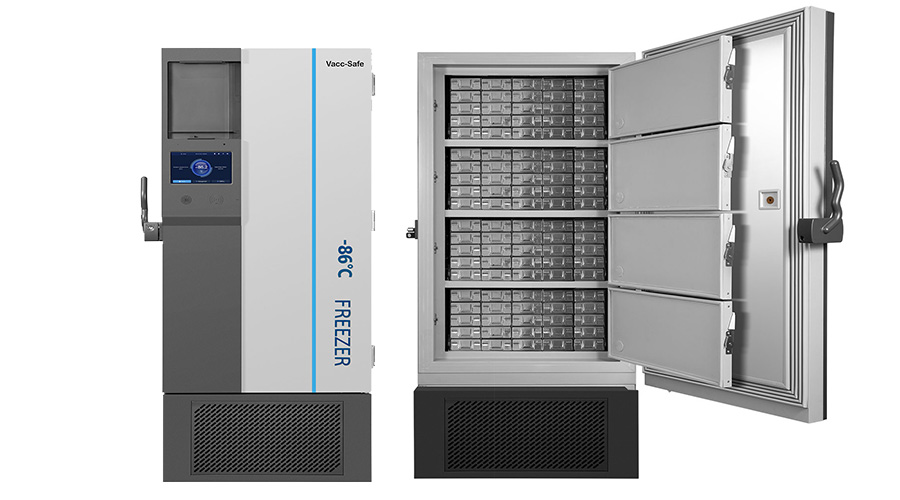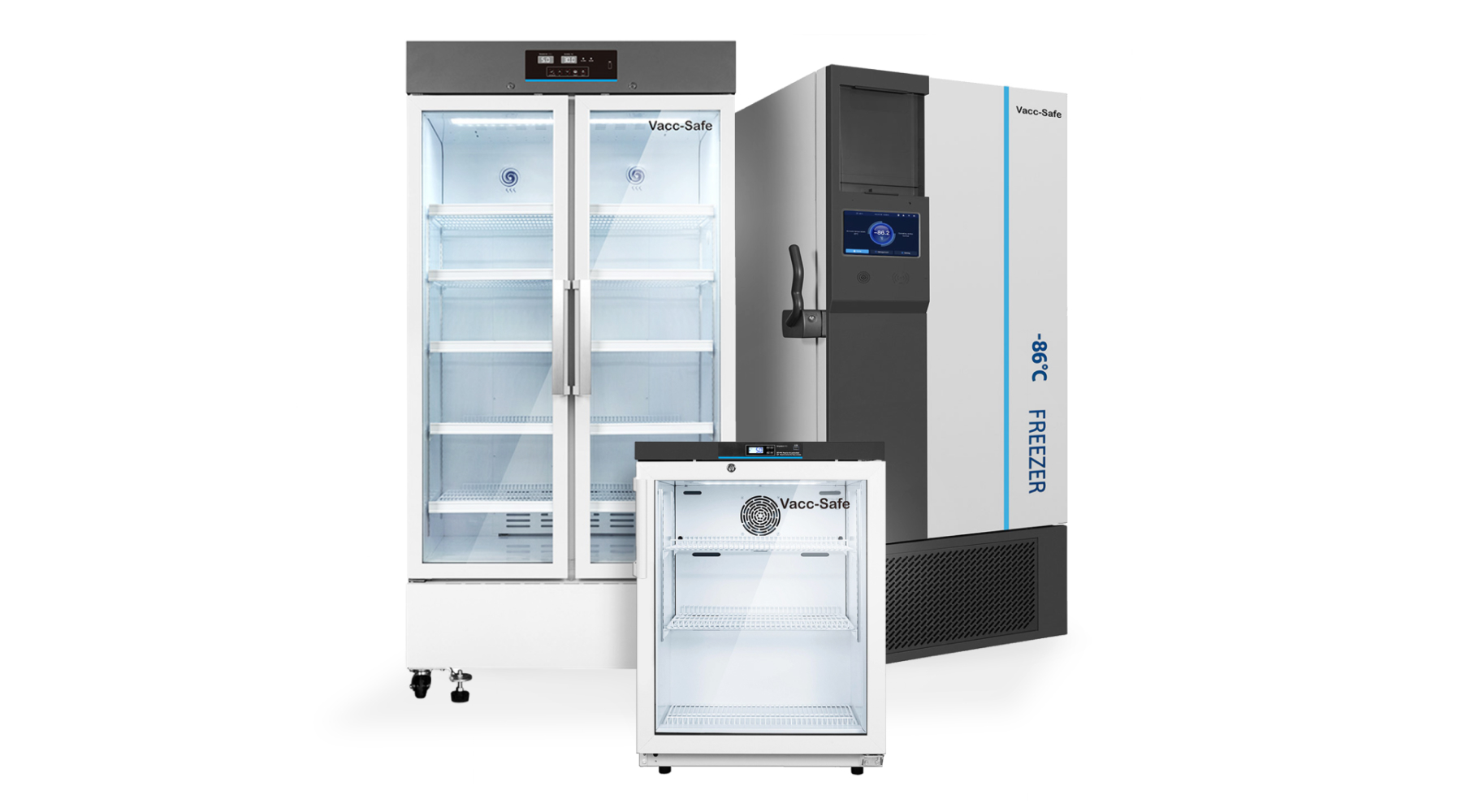
Medical fridges are sensitive pieces of equipment with specific temperature capacity for storing medicines, vaccines and biological samples. Proper maintenance is essential to keep them operating efficiently, prevent unexpected breakdowns, and extend the lifespan of equipment. Maintaining medical fridges is a shared responsibility that combines high level expertise from professional technicians and daily diligence from healthcare staff.
What is Medical Fridge Maintenance?
Medical fridge maintenance involves the routine servicing, calibration and cleaning of refrigerator units used to store temperature sensitive medical products. These fridges are different to domestic fridges as they provide a greater level of security and temperature control than normal fridges and are an essential piece of equipment in healthcare. Regular maintenance is essential to ensure these professional grade fridges maintain a strict, consistent temperature range that is unbroken and prevent any cold chain breaches.
Regulations for Medical Fridge Maintenance
Medical fridges are required to comply with cold chain requirements keeping the temperature at between 2°C and 8°C at all times. The cold chain is the system for transporting and storing vaccines and temperature sensitive medical products within the required temperature range. Any exposure outside the recommended range is known as a cold chain breach. Medical fridges have specific regulations of cold chain management to ensure these temperatures remain stable. Included in these regulations are medical fridge maintenance requirements.
These regulations stem from government health departments, national standards, and accreditation programs. Key regulatory guidelines such as the Australian National Vaccine Storage Guidelines ‘Strive for 5’, and the Pharmacy Guild of Australia (QCPP) standards, require specific daily, weekly, and annual maintenance procedures.
How to Maintain a Medical Fridge?
Maintaining a medical fridge requires both healthcare staff and professional technicians to follow strict maintenance routines. Healthcare staff are responsible for the day to day operation, monitoring temperatures, managing stock and responding to incidents. Professional technicians ensure the medical fridge is correctly installed, calibrated and continues to function reliably over time. The key duties when maintaining a medical fridge are as follows.
Maintenance by Healthcare Staff
Medical fridge maintenance by healthcare staff is a proactive function to ensure medical fridges operate effectively and safely to store temperature sensitive products. It bridges the gap between technical servicing and clinical staff care. The duties of healthcare staff include:
- Temperature monitoring: Healthcare staff must monitor the medical fridge temperature to maintain product integrity and ensure medications and vaccines remain between 2°C and 8°C. Staff must do twice daily manual checks and record the current, minimum and maximum temperatures every morning and evening.
- Visual inspection: Staff must consistently check that the medical fridge is clean and the door is closing properly.
- Check data loggers: Download and review the data logger reports weekly at least to ensure there are no undetected temperature excursions beyond the recommended range.
- Cleaning: Staff must clean the interior and exterior of the medical fridge monthly, using a mild detergent and water to prevent bacteria buildup. If there are spills outside the cabinet, they must be cleaned up immediately to prevent contamination.
- Check door seals: Medical staff check the refrigerator door seals by performing regular inspections for cracks and brittleness. Healthcare workers should check the entire perimeter of the seal for rips, tears, cracks or brittle areas. Using the paper test to check the seal, a piece of paper is placed between the seal and the fridge frame and then the door is closed. If the paper slides out easily or falls down, the seal is too loose and needs to be adjusted or replaced.
- Condensation check: To check for condensation on the medical fridge, staff inspect door gaskets for moisture or damage, check for water puddles, and observe any ice buildup on internal fans or coils. Excessive condensation is an indicator of high humidity or poor sealing.
- Stock management: A full inventory audit to check for expired, damaged or excess items is an essential part of medical fridge stock management. This part of the maintenance schedule ensures stock is not overcrowded, has proper airflow, is still viable, and is all properly labelled.
- Contingency planning: It is critical for medical staff to have a comprehensive backup plan for medical fridge maintenance during a power outage to maintain the cold chain. A medical fridge can lose temperature within 30 minutes so immediate action is required. During a power outage, it is imperative that staff have a plan for immediate action, alternative storage and transport, and a battery backup system or UPS which will instantly supply power during a blackout.
- Check alarm system: Checking the alarm system is essential for medical fridge maintenance to ensure temperature sensitive medications and vaccines remain effective and viable. Alarms should be periodically tested to ensure they are working. Staff should regularly check battery levels and charge them every six to 12 months.
- Check fans and coils: As staff responsible for non-technical maintenance, part of the routine is to check coils and fans to make sure they are free of dust and debris. Staff can vacuum or brush dust and residue off the condenser coils and fans to help the medical fridge work efficiently.
Maintenance by Qualified Technicians
Regular maintenance and servicing by qualified professionals is imperative for medical fridges to ensure the integrity of vaccines, medicines and biological samples that require strict temperature boundaries. Purpose built medical fridges are complex pieces of medical equipment designed for strict compliance. They require annual professional calibration and inspection to prevent cold chain breaches. The duties of a qualified technician include:
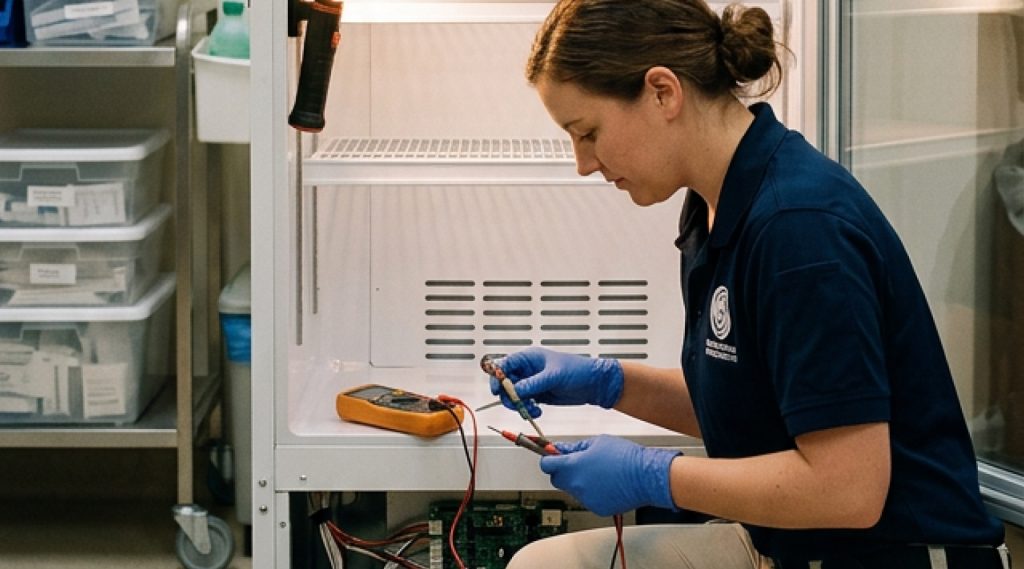
- Annual servicing: Qualified technicians annually service the medical fridge as part of a preventative maintenance routine. This helps prevent breakdowns and ensures efficiency. An annual service includes preventative cleaning of the condenser coils, fan blades and interior cabinet. The technician will check for refrigerant leaks and inspect doors, seals and gaskets for wear and tear. Electrical elements like power cords, plugs and wiring will be inspected to ensure they are secure and not damaged or frayed.
- Calibration: Technicians calibrate the fridge’s temperature sensors against certified independent reference thermometers. This ensures the temperature continues to be accurately monitored and recorded. When calibrating, the displayed temperature is compared against the actual temperature inside the cabinet. The digital display is then adjusted to match the calibrated reference.
- Repairs: If issues arise during the service and calibration, or healthcare professionals identify problems during their regular maintenance, the technician performs remedial actions. This may involve replacing faulty equipment like thermostats, fans or damaged door seals, fixing wiring or malfunctioning alarm systems or addressing abrupt failures in cooling systems to avoid cold chain breaches.
Key Indicators Maintenance is Required
A medical fridge with a temperature fluctuating outside the required 2°C to 8°C range, unusual noises, or visible damage are all signs that maintenance and servicing is required. The key indicators maintenance is required are:
- Cold chain breaches: The most significant indicator that maintenance is required is when cold chain breaches occur. Temperatures that consistently go outside the maximum and minimum temperature range of 2°C to 8°C are indicative of a potentially major issue with the medical fridge.
- Visible damage: If you can see visible damage like worn or damaged seals, damaged electrical components or cracks in the door, immediate maintenance is required. Any of these problems can lead to long term issues with the medical fridge’s ability to safely store temperature sensitive medicines and biological products.
- Condensation and ice: Both condensation and ice buildup are critical factors indicating the medical fridge requires maintenance. These signs typically indicate failing door seals, malfunctioning defrost systems or temperature regulation issues.
- Noise: If the medical fridge is making buzzing or grinding noises, it may be an indicator the fridge is struggling to maintain the correct temperature. This can compromise the integrity of temperature sensitive vaccines and medications.
- Smell: If the medical fridge has a smell it could be a sign that the cooling system is failing which can lead to a cold chain breach. A chemical or sweet smell may indicate a leak in the cooling system. If there is mould or microbial growth, there may be a musty or earthy smell from the fridge as mould can form in the drain hole or drain pan. Cracked door seals can also emit a smell like rotting materials.
Benefits of Regular Medical Fridge Maintenance
Regular maintenance ensures the medical fridge works at optimum efficiency. These purpose built fridges must maintain a consistent cold chain as exposure to incorrect temperatures can result in ineffective and unviable vaccines, medicines and biological samples. The benefits of regular maintenance include:
- Inventory protection and efficacy: Regular maintenance ensures the fridge maintains precise temperatures required to keep temperature sensitive medications, vaccines and biological samples safe and viable.
- Regulatory compliance: Maintaining detailed logs of servicing, cleaning and temperature monitoring helps medical facilities and labs comply with industry standards.
- Equipment longevity and reliability: Regular maintenance allows technicians and healthcare workers to identify potential problems and prevent them before they cause a failure. Cleaning and maintaining fans and motors ensures the medical fridge works at its best and ensures optimal performance.
- Energy efficiency and cost reduction: Cleaning condenser coils and checking door seals allows the medical fridge to run more efficiently and consume less power. Regular servicing helps avoid expense emergency repairs or the need for a complete unit replacement.
Medical fridge maintenance is imperative to ensure the integrity, efficacy and safety of temperature sensitive medical products. Proactive care such as cleaning, monitoring temperature and checking door seals prevents costly and potentially dangerous problems from occurring. With a combined effort from the healthcare team and professional technicians, medical fridges are able to be maintained and serviced to ensure optimum performance. The team at Vacc-Safe are experts in medical refrigeration and maintenance.
Frequently Asked Questions
How often should a medical fridge be maintained?
- Annual maintenance by a professional technician is recommended. Healthcare staff should perform maintenance checks every day.
What needs to be cleaned in a medical fridge?
- Cleaning should include condenser coils, door gaskets, interior and shelves and the evaporator fan.
Why is there ice in the back of my fridge?
- Ice buildup could indicate a need for professional maintenance and servicing. When ice builds up it is a sign the medical fridge is not maintaining its consistent temperature requirements.
How often should staff check the temperature?
- Staff should manually check and record the medical fridge temperature twice a day.