Correct botox storage is imperative for the efficacy and safety of the medication to ensure it maintains its molecular stability. Botox that is unreconstituted (unopened) is a vacuum-dried powder that is highly sensitive to environmental factors and must adhere to strict storage guidelines. While widely used as an aesthetic medication for the treatment of facial lines and wrinkles, Botox is also an effective therapeutic agent for chronic migraines and hyperhidrosis (excessive sweating). Proper handling and storage of this medication is crucial to ensure its safety and efficacy.
What is Unreconstituted Botox?
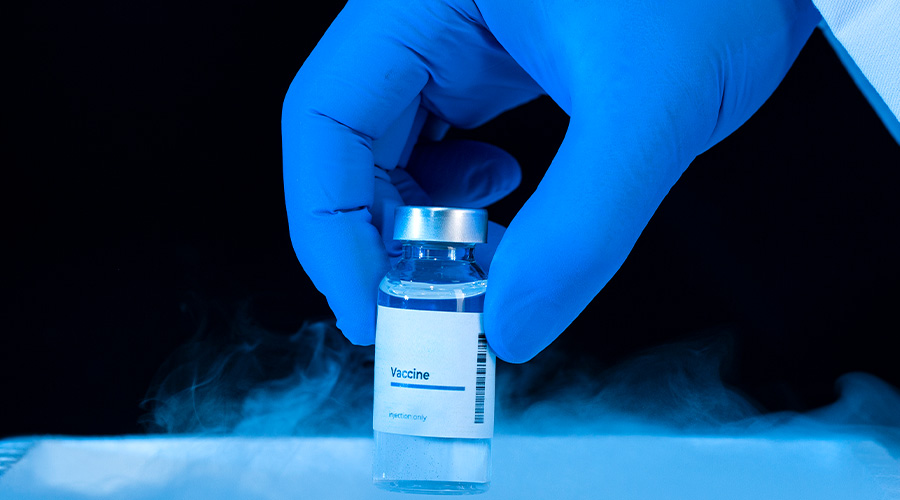
Unreconstituted Botox is the original, vacuum-sealed, powder form of botulinum toxin before it is mixed with saline for injection. When a medical clinic receives Botox from the manufacturer, it arrives in a small glass vial as a vacuum-dried or freeze-dried powder that is unopened. It often looks like a thin ring-type layer of white powder in the bottom of a transparent glass vial.
Does Unreconstituted Botox Need to be Refrigerated?
Unreconstituted Botox must be refrigerated, according to the manufacturer’s guidelines and TGA standards. Unopened vials of Botox must be stored in a medical refrigerator at temperatures between 2°C and 8°C. Botox is a delicate, temperature-sensitive, protein-based neurotoxin and must be stored in adherence to cold chain requirements. Any exposure to temperatures outside these parameters, particularly excessive heat, can cause the active protein to degrade and lead to loss of potency.
How to Store Unreconstituted Botox
Unreconstituted Botox can last significantly longer in storage than reconstituted Botox and remain viable for as long as 24 to 36 months, provided it is stored correctly. In Australia, the storage of unreconstituted Botox must adhere to strict TGA guidelines and manufacturer specifications. As it is a vacuum-dried powder in sealed vials, it requires cold chain management. The preferred method of storage for unreconstituted Botox for ultimate longevity is a medical refrigerator. Less ideal alternative storage solutions include a domestic refrigerator or controlled room temperature. Unreconstituted Botox must never be stored in a freezer.
Storage in a medical refrigerator
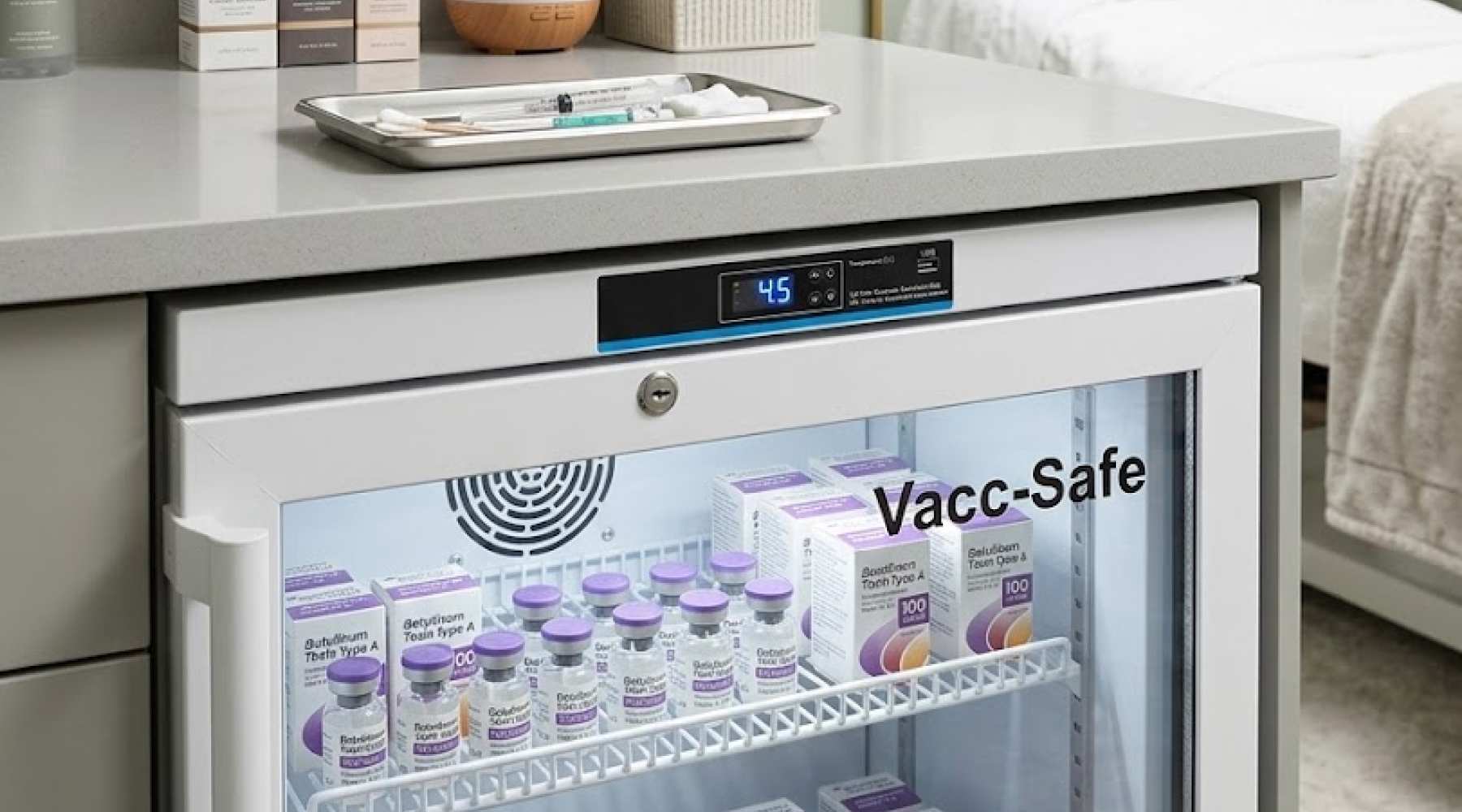
A medical-grade refrigerator is the ideal storage facility for unreconstituted Botox. It is the industry standard for maintaining the recommended temperature range to maintain potency. The best practices for storing unreconstituted Botox in a medical fridge include:
- Temperature control: Maintain a consistent temperature of between 2°C and 8°C in the medical fridge. Unreconstituted Botox is highly sensitive to environmental factors, and deviations from this can lead to irreversible degradation. To ensure the temperature is maintained, ensure continuous monitoring, recording the fridge’s temperature twice daily, and implementing alarm systems to notify of any temperature changes.
- Avoid fluctuations: Ensure a stable environment by limiting door openings, not overstocking the unit and ensuring the refrigerator is kept in an air-conditioned room, ideally between 20-25°C.
- Positioning: The ideal positioning for unreconstituted Botox in a medial fridge is in the middle section with vials stored upright. This area maintains the most stable temperature range and recovers from door openings twice as fast as other areas. Never place the Botox on the door shelves as this area experiences the highest temperature fluctuations. It is also important to avoid overcrowding of the shelves to allow for proper air circulation.
- Light protection: Keep vials in their original packaging as this shields from light, heat and air exposure, which can reduce potency up to three times faster.
- Inventory management: Keep close track of inventory to ensure product safety, prevent costly waste and maintain regulatory compliance. Inventory management procedures include putting new stock at the back and moving older vials to the front. Never store Botox with food, beverages or other specimens that may cause cross-contamination. Maintain a digital or paper log to track batch numbers and expiry date. Perform a weekly audit to identify vials that may be close to expiration.
Alternative storage and handling
While a medical fridge is the gold standard for storing unreconstituted botox, it can also be stored and remain viable in other conditions for a limited time. The best practices for alternative storage and handling include:
- Controlled room temperature: Unreconstituted botox can be stored at a controlled room temperature for a limited period of time. Studies indicate that sealed, unopened vials of unreconstituted botox can be stored at 25°C for up to 14 days, 7°C for up to seven days, and room temperature for up to five days. The stability of these temperatures applies specifically to unopened and vacuum-sealed powder vials and not diluted botox.
- Alternative cold storage: For longer-term storage, standard domestic refrigerators can sometimes be used. However, unreconstituted Botox is more likely to become less effective in these storage conditions.
- Standard fridge: A standard domestic refrigerator can be used. However, they are prone to more temperature fluctuations. When placing vials in the standard fridge, keep them away from the door and walls where temperatures change most.
How Long will Unreconstituted Botox last with a Fridge Breakdown?
Unreconstituted Botox is significantly more stable than reconstituted Botox and can withstand fridge breakdowns better than the liquid form. However, it is still temperature sensitive and will quickly require a backup power solution to maintain cold chain requirements. Backup power solutions include:
- Built-in UPS: A built-in UPS is an integrated battery backup system built into the housing of the medical fridge. It is designed to keep the fridge running in the event of a power outage or fluctuation.
- Online double conversion UPS: A backup system for medical equipment like fridges to store unrecognised botox which switches instantly to a battery in the event of an outage.

Best Practices for Unreconstituted Botox Storage, Handling & Transportation
Apart from ensuring the correct temperature settings, best practices for storing unreconstituted botox include:
- Temperature monitoring: The medical fridge or domestic fridge needs to be consistently monitored and logged at least twice a day. The temperature must stay between the parameters of 2°C and 8°C.
- Cleanliness: To avoid contamination and ensure temperature stability, it is important to maintain clean standards. This includes keeping the medical fridge or domestic fridge clean by washing and wiping down on a regular basis. Staff should wear gloves and wash hands when handling vials.
- Staff training: Ongoing education ensures every team member understands the delicate nature of neurotoxins, storage and handling practices. Staff should be trained on sterile field maintenance, hygiene, and the importance of documentation and logging records.
- Backup power and contingency planning: In the event of a power outage or temperature fluctuations, it is important to have a backup contingency plan for storage of the unreconstituted botox. Connecting medical refrigerators to a backup power solution with an uninterruptible power supply (UPS) system can provide essential backup power. Pre-identify an alternative source of storage at a nearby clinic or use a medical-grade portable cooler to transfer the botox immediately.
- After reconstitution: Once unreconstituted Botox is mixed with saline, it must be refrigerated between 2°C to 8°C. Manufacturer guidelines usually recommend it’s used within 24 hours of mixing. Although some clinical evidence suggests that reconstituted Botox can retain its efficacy for up to six weeks under proper refrigeration.
Effects of Improper Storage on Unreconstituted Botox
When unreconstituted Botox is not stored correctly, it may lose potency, leading to ineffective treatment, shorter-lasting results or no results at all. Botulinum toxin is highly sensitive and easily degradable when exposed to improper temperature, light or physical damage. Beyond the obvious loss of potency, botox that has been improperly stored can lead to several professional, clinical and financial issues. These include:
- Ineffective treatment: The main issue is poor clinical outcomes with unreconstituted Botox that has not been stored properly, and may render treatment ineffective. This is the most common result, which leads to the Botox not lasting as long or not working at all. Patients may notice treatment wearing off much sooner than the three- to four-month period. In some cases, the toxin is so degraded that there is no visible improvement and complete failure.
- Clinical and professional consequences: ineffective treatment or rapidly disappearing results potentially lead to unhappy patients. The need for re-treatment can be costly and time-consuming for clinics.
- Risk of complications: A product that has been improperly stored can increase the risk of complications. These may include unintentional results such as muscle weakness or asymmetry.
- Financial and operational issues: Compromised Botox needs to be discarded, which leads to financial loss. Additionally, failure to meet manufacturer and regulatory standards can have an impact on a clinic’s professional liability.
Choosing the Right Refrigerator for Botox Storage
Choosing the right fridge for Botox storage is crucial for maintaining product viability and avoiding diminished treatment efficacy, potential complications, and financial losses. Initially, the best type of fridge to store Botox is a purpose-built medical-grade fridge, designed to keep temperatures within the strict temperature parameters required for cold chain storage.
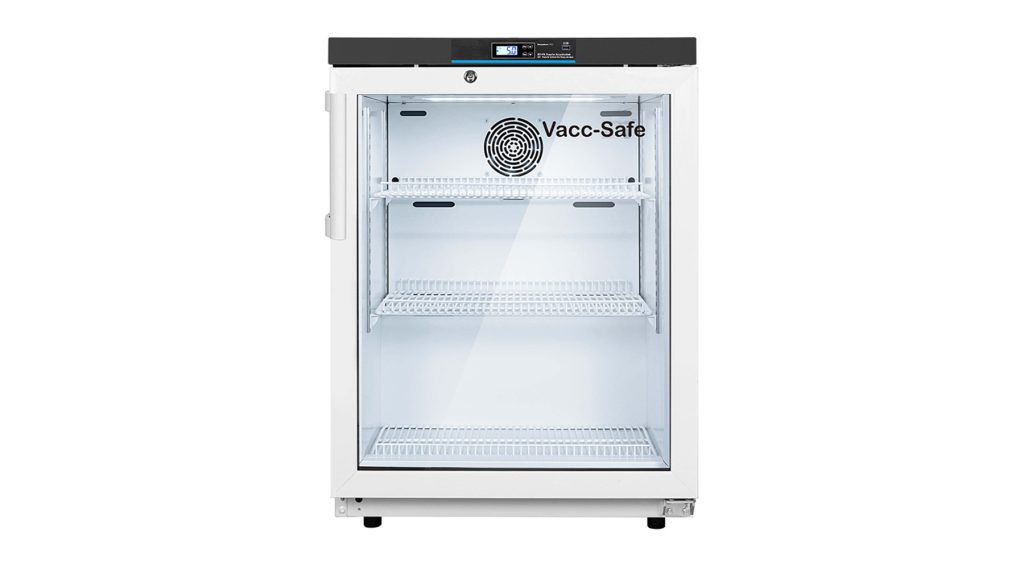
Vacc-Safe has a range of fridges that are perfect for Botox storage, including a cosmetic injectable fridge and essential fridge. These medical fridges guarantee the strict 2°C to 8°C temperature range botox needs for safe storage. The Vacc-Safe Cosmetic Injectable Fridge is specifically designed for storing cosmetic injectables that require precise temperatures. The Essential Fridges are ideal for standard clinic requirements needed for optimal, stable temperatures.