Lyophilised peptides can be stored for months or even years when kept at the right temperature. For long-term storage, lyophilised peptides are generally stored in a freezer at between -20°C and -80°C. For short-term storage, they are usually stored in a medical refrigerator between 2°C and 8°C. The exact temperature will vary depending on the peptide and any manufacturer recommendations.
Maintaining these temperatures is vitally important for minimising degradation and ensuring peptides are safe to use. Additional factors such as moisture and direct sunlight can all impact a peptide’s shelf life, and by understanding the steps for safe storage, you can protect their stability for as long as possible.
What are Lyophilised Peptides?
Lyophilised peptides are short chains of amino acids that are subject to a freeze-drying process to remove most of their water content. The result is a finely powdered dry product that offers superior long-term storage stability and is lighter and easier to store and transport. Because water can accelerate the oxidation and structural breakdown of peptides, removing it helps to slow down degradation.
Temperature Storage Requirements for Lyophilised Peptides
Long-term storage
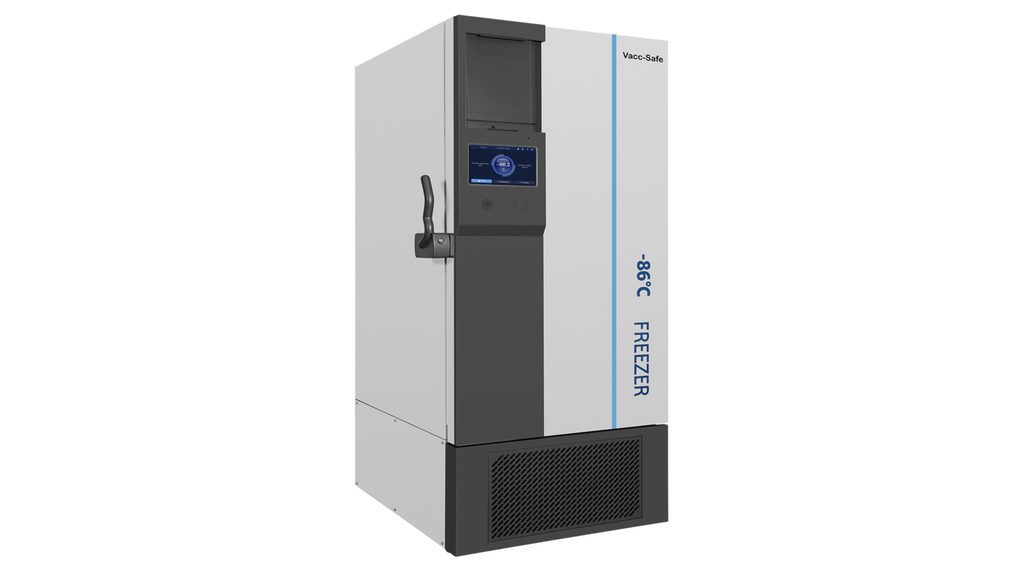
When storing long-term, lyophilised peptides are usually kept between -20°C and -80°C. Standard medical freezers are often used, while more sensitive peptides may require an ultra-low temperature freezer. At these low temperatures, lyophilised peptides can remain stable for months to years, depending on the variant.
Short-term storage
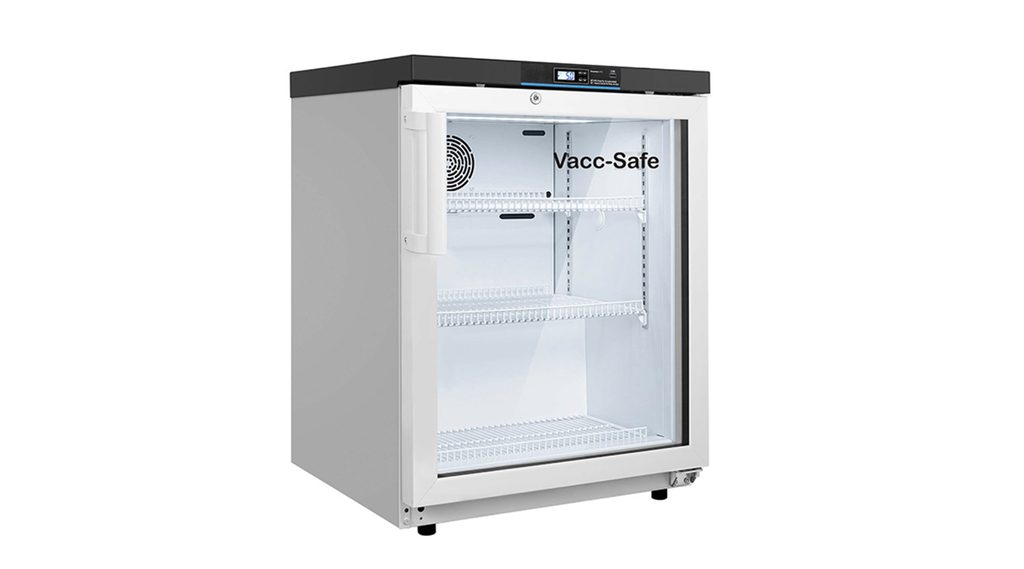
When peptides need to be reconstituted in the short term, they are often kept in a medical refrigerator between 2°C and 8°C. However, stability at these temperatures will vary depending on the peptide, so we always recommend you follow manufacturer guidelines. While it’s not recommended, lyophilised peptides can also remain stable for days to several weeks at room temperature, ideally in a cool, dark environment.
During transport
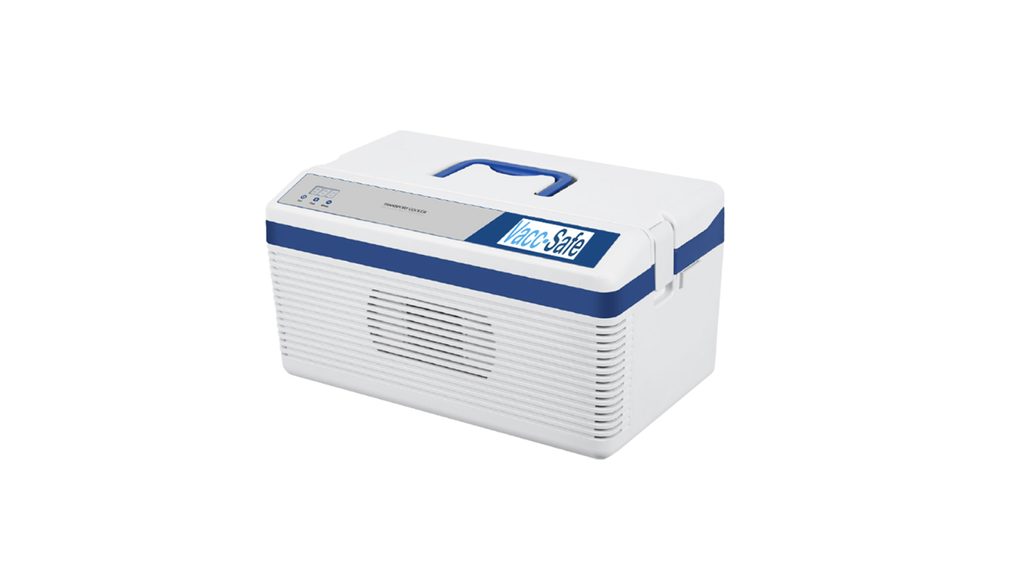
Lyophilised peptides are ideal for transport because they contain very little water and can tolerate short periods at room temperature. Generally, lyophilised peptides are shipped at room temperature, before being stored long-term at -20°C to -80°C. However, exact shipping temperatures will always vary depending on the peptide.
Note: These temperatures are general advice only. Always check the manufacturer’s recommendations for your peptides.
Temperature Monitoring and Storage Equipment
To maintain the recommended storage temperatures, the right equipment must always be used. Especially for peptides that can be sensitive to changes in temperature and storage conditions.
Refrigerators
Choose a purpose-built temperature-controlled unit that’s specially designed to maintain highly precise temperatures between 2°C and 8°C for short-term peptide storage. They are much better suited to storing peptides than domestic fridges, which are prone to temperature fluctuations. Fridges, such as the Vacc-Safe Cosmetic Injectables Refrigerator, are purpose-built with powerful, forced-air circulation and wire shelving, ensuring even temperature distribution across every shelf.
Freezers
For longer-term storage, an ultra-low temperature (ULT) freezer offers the ideal environment, capable of maintaining precise temperatures reaching as low as -80°C. These freezers are essential for slowing down degradation and maintaining the stability of lyophilised peptides.
Monitoring equipment
To ensure the right temperatures are maintained, you can also consider reliable monitoring equipment:
- Thermometers
A calibrated thermometer provides a simple way to regularly check the internal temperature of a refrigerator or a freezer. For even greater accuracy, consider using a minimum/maximum thermometer that can record the highest and lowest temperatures. - Data loggers
Data loggers are small electronic sensors that measure temperature at regular intervals over a set period of time. Unlike a thermometer, which only provides spot readings, a data logger can track temperatures continuously to collect a broad set of recordings. The digital data can then be retrieved, viewed and evaluated to spot any long-term trends or temperature fluctuations.
Best Practices for Storing Lyophilised Peptides
Although temperature is an important element when storing lyophilised peptides, it’s vital to consider other factors. Moisture, light, oxygen and handling can all affect their efficacy. We recommend the following guidelines to help you store peptides successfully.
- Moisture control and airtight sealing
Water acts as a catalyst for chemical degradation, with even small amounts potentially shortening the lifespan of a lyophilised peptide. Vials should be kept tightly sealed at all times. For extra protection, you could also store them in a desiccator, which is an airtight container designed to maintain a dry atmosphere. - Light protection
Some peptides are incredibly sensitive to light, particularly those containing light-sensitive amino acids such as tryptophan and tyrosine. This can contribute to chemical degradation over time, making it essential to store these peptides in their original packaging or a light-protective container, as well as avoiding unnecessary contact with direct sunlight or indoor lighting. - Equilibration before opening
A vial taken from cold storage will be colder than the surrounding air, and opening it too soon can allow condensation to form as warm, humid air comes into contact with the cold powder. Try to allow the vial to reach room temperature before opening it, which usually takes around 15 to 30 minutes. Once the vial reaches ambient temperature, open it quickly, measure or dispense the required quantity and immediately reseal it. - Freeze-thaw cycles and aliquoting
Try to avoid repeatedly freezing and thawing the same peptide vial. This is because each time a powder peptide moves between temperatures, this can put additional stress on the peptides that can fast-track degradation. If permitted by the manufacturer’s instructions, aliquoting could help to avoid this. Aliquoting means dividing a larger amount into smaller, evenly measured portions in separate vials, reducing the need to repeatedly thaw the same sample. - Oxidation prevention
Peptides that contain certain amino acids, such as cysteine, methionine and tryptophan, are particularly prone to oxidation when exposed to oxygen. To help prevent this, always follow the manufacturer’s recommendations, keep the vials tightly sealed and minimise the amount of time you open storage vials. For highly sensitive peptides, the air in the vial can be replaced with an inert gas such as nitrogen or argon to displace the oxygen.
Consequences of Improper Temperature Storage
When lyophilised peptides are stored at the wrong temperature for long periods, this can lead to rapid degradation and loss of purity. The main consequences of improper storage are:
- Accelerated degradation
Although lyophilised peptides are more stable than reconstituted peptides, when exposed to high heat, moisture or direct sunlight, degradation can occur within days or hours. Signs of this possible degradation include clumping, stickiness or discolouration, such as a yellowing or browning of the powder. - Loss of purity and biological activity
When peptides degrade, the sample becomes a mix of intact peptide and breakdown products. This reduces its efficacy and biological activity, meaning the peptide may no longer function properly. These changes aren’t always visible; a sample that looks normal may still have had its purity compromised. - Oxidation
Oxidation occurs when vulnerable amino acid residues, such as cysteine, methionine and tryptophan, are exposed to oxygen, light and other contaminants. For these peptides, oxygen alters their physical structure and causes degradation. Although lyophilisation can improve stability by removing most of the water content, oxidation and other degradation processes can still occur. - Hydrolysis
Improper temperature storage can trigger hydrolysis in lyophilised peptides and cause moisture to destroy the peptide bonds and permanently ruin the sample. Although lyophilised peptides contain relatively little moisture in their powder, exposure to humidity or residual water can cause degradation.
What to Do If Lyophilised Peptides Are Stored at the Wrong Temperature
Although you can take all precautions to maintain the correct storage conditions, sometimes mistakes can happen, and lyophilised peptides are exposed to unsafe temperatures.
If you suspect the peptide has been stored incorrectly, check the manufacturer’s stability guidance before deciding what to do next. Check closely for any visible changes in the vial, such as discolouration, clumping, or anything unusual appearance-wise. Never rely on visual checks alone, as peptides can lose stability without changing appearance.
It’s important to also consider the temperature the peptide was exposed to and the length of time. Lyophilised peptides are usually more durable than reconstituted peptides, and can handle room temperature for short periods. If you’re unsure whether the peptide is stable, we recommend contacting the manufacturer for advice.
Avoid assuming that a peptide is stable simply because it looks unchanged or has been returned to its correct temperature. When in doubt, always replace a peptide rather than risk using one whose efficacy may be compromised.
FAQs
- Can lyophilised peptides be stored at room temperature?
Yes, lyophilised peptides can be stored at room temperature, but only for short periods of time and when stored away from heat, light and moisture. However, for long-term storage, peptides should be stored at -20 °C. - How long do lyophilised peptides last in the freezer?
When stored in a purpose-built freezer, lyophilised peptides can last for years. At –20 °C, peptides can remain stable for 3-5 years. This extends to several years or even a decade when stored at –80 °C, with the exact duration depending on the type of peptide. - How do storage temperatures change after reconstitution?
Once reconstituted, a peptide’s storage conditions change rapidly. This is because water activates certain degradation pathways, shifting the usable window from years to days or even a few weeks. Once reconstituted, peptide solutions must be stored in a refrigerator between 2°C and 8°C to slow the chemical breakdown, typically lasting between 2 to 4 weeks, though each peptide will have unique storage durations.
The process of lyophilisation is excellent for extending peptide longevity and stability. By removing water from the peptide and leaving it in its powder form, the freeze-drying process slows the chemical reactions that lead to degradation. Lyophilised peptides generally must be kept at strict temperatures between -20°C and -80°C to ensure longevity and stability. Medical fridges and freezers are vital to sustaining the precise temperature parameters. Vacc-Safe is the leading supplier of medical fridges and freezers for healthcare facilities, pharmacies and laboratories, with a range of high-quality options to suit you.