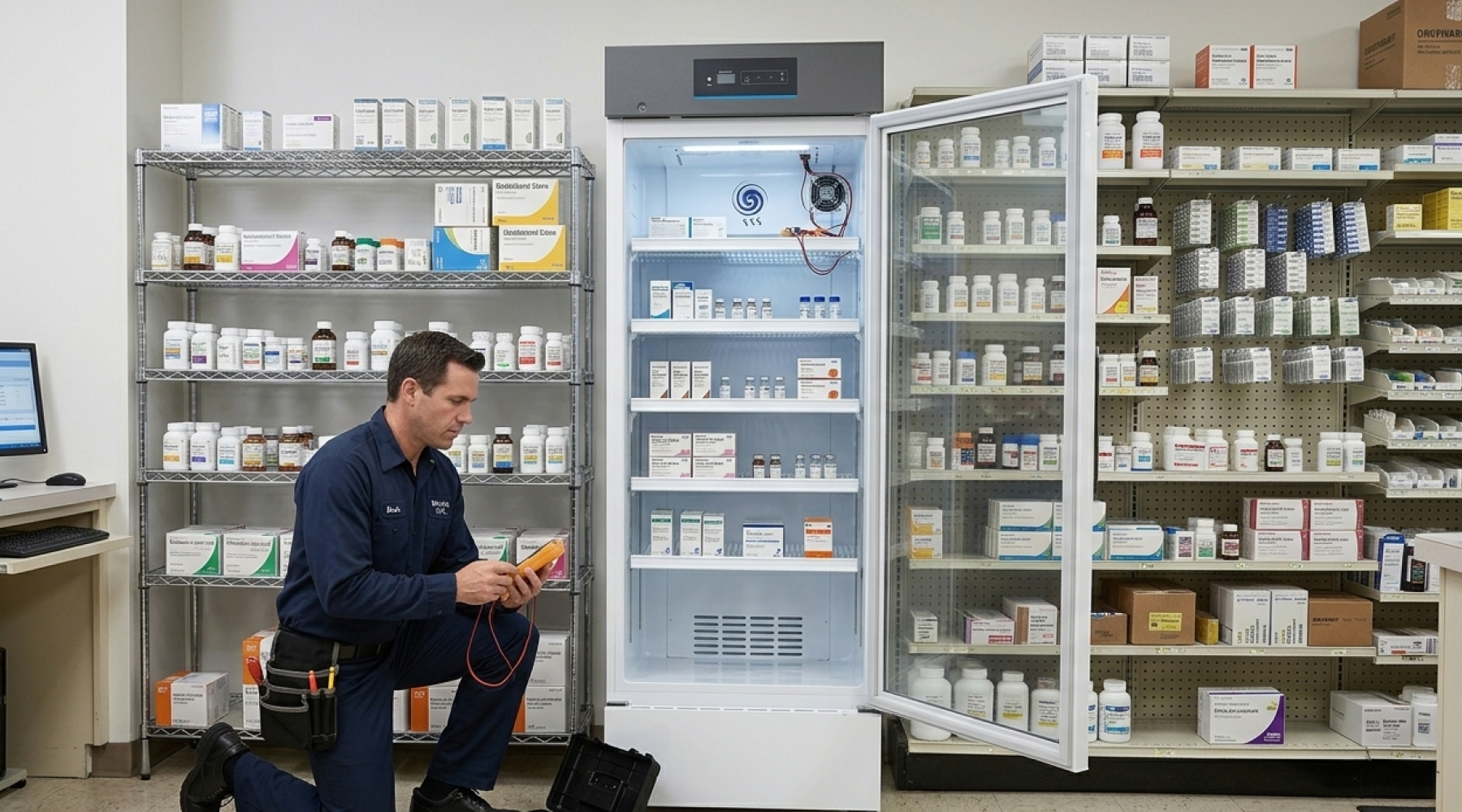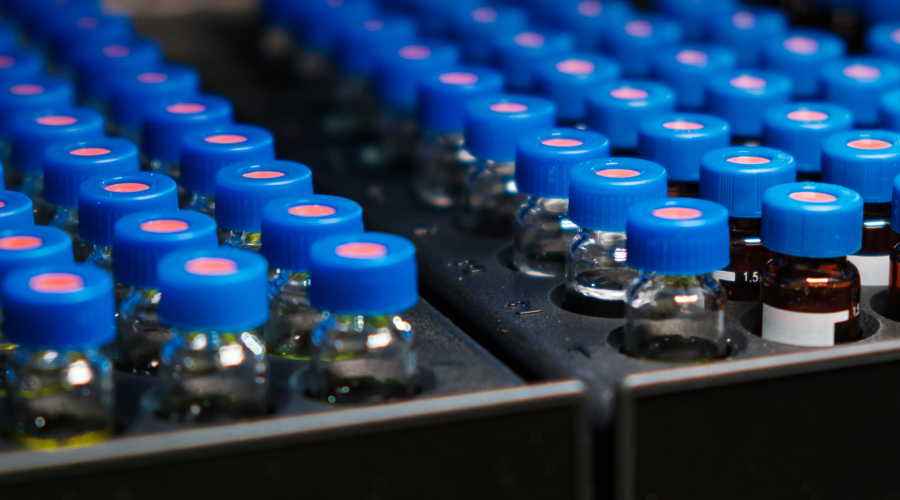
Storing vaccines at the correct temperature is an essential step for preserving their efficacy for patients. Vaccines are highly sensitive biological products, and must be refrigerated at temperatures between +2°C and +8°C. Even small deviations from this temperature range can permanently ruin their potency.
The majority of vaccines must be refrigerated in cold storage. For GP clinics managing routine immunisations, these include Hepatitis A and Hepatitis B, influenza (flu) and COVID-19 vaccines such as Pfizer and Moderna. Purpose-built refrigerators must also be used for vaccine storage, which provide superior temperature control, alarms and monitoring capabilities.
Why Do Vaccines Require Cold Chain Storage?
Healthcare professionals have a responsibility to patients to store vaccines safely. Vaccines are highly temperature sensitive, and can lose their potency when stored incorrectly.
Based on the National Vaccine Storage Guidelines, vaccines must be stored within the ‘cold chain’ which is the system of transporting and storing vaccines within the safe temperature range of +2°C to +8°C. This chain starts when the vaccine is manufactured, continues through to vaccine distribution centres and immunisation service providers, and ends when the vaccine is administered.
Effective vaccine management is important for reducing the risk of compromised vaccines being administered. Vaccines are expensive pharmaceuticals and by ensuring they are stored within the recommended temperature range of +2°C to +8°C, you can help to prevent any costly losses.
Vaccines also require cold chain storage for regulatory compliance. The correct storage of vaccines is regulated under the Australian Health Practitioner Regulation Agency (AHPRA). If healthcare professionals are found to have stored vaccines incorrectly, they may face regulatory action from AHPRA. Patients can also lodge legal claims of their own against healthcare workers if they were administered compromised vaccines.
What Happens When Vaccines Are Not Stored Correctly?
Vaccines that are subject to a ‘cold chain breach’, when they are exposed to temperatures outside the recommended +2°C to +8°C range, will quickly lose their potency and may be rendered completely ineffective. This is because they are incredibly delicate, biological substances.
Let’s use hepatitis A and hepatitis B as an example. Both of these vaccines contain sensitive aluminium compounds, which can degrade rapidly in unsafe temperatures. Furthermore, vaccines such as pneumococcal disease and tetanus require a liquid diluent that can freeze when exposed to cold temperatures.
Once a vaccine loses its potency, this cannot be reversed, and the longer it remains outside its optimal temperature range, the greater the likelihood they become spoiled. When left at room temperature, you should expect an untouched vaccine vial to last approximately three to four hours. It’s important that any potential cold chain breaches are reported directly to your state or territory health department.
Vaccines That Need Refrigeration
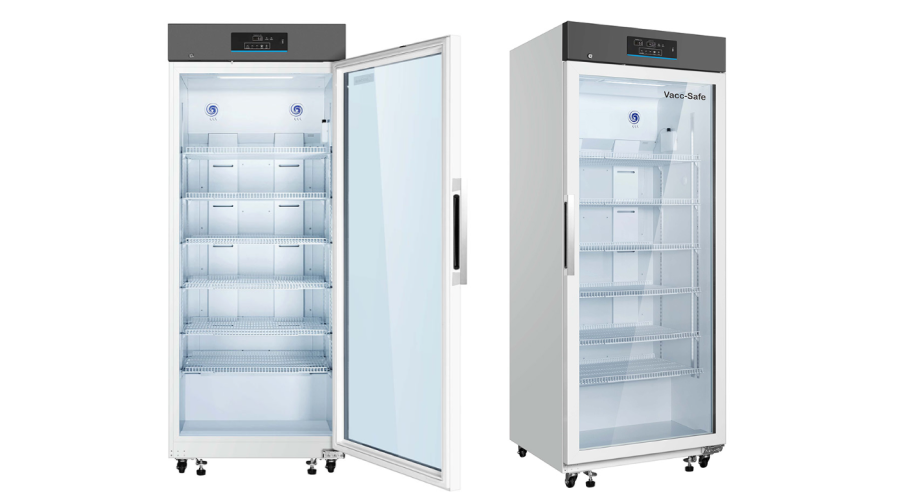
The following vaccines require refrigeration between +2°C to +8°C
- Hepatitis A
- Hepatitis B
- Hib
- Gardasil9 (all HPV vaccines)
- Influenza (all flu vaccines)
- IPV (polio)
- Menactra, Menveo, Bexsera, Trumenba (Meningococcal)
- MMR
- Prevnar 13, Pneumovax (Pneumococcal)
- RotaTeq, RotaRix (Rotavirus)
- Pentacel, Pediarix (all DTaP containing vaccines)
- Tdap (Adacel and Boostrix)
- COVID-19 vaccines
How Should Vaccines Be Stored?
It’s vitally important that medical practices store their vaccines correctly. Based on the National Vaccine Storage Guidelines ‘Strive for 5,’ all vaccines must be stored in a purpose-built vaccine refrigerator. They are specialised refrigerator units that are designed to maintain the precise temperature range required for storing vaccines, between +2°C and +8°C, with an optimal storage temperature aimed at 5°C.
Domestic refrigerators must not be used, including commercial fridges, bar fridges or industrial fridges. This is because they are designed for food storage and not for storing vaccines as they lack the ability to provide accurate temperature stability. Domestic fridge temperatures can fluctuate dramatically, with a propensity to freeze vaccines. They also don’t fall under the same compliance checks as medical technology, meaning there is no guarantee they can maintain the precise temperature needed for vaccine storage.
Key Features of Medical Vaccine Fridges
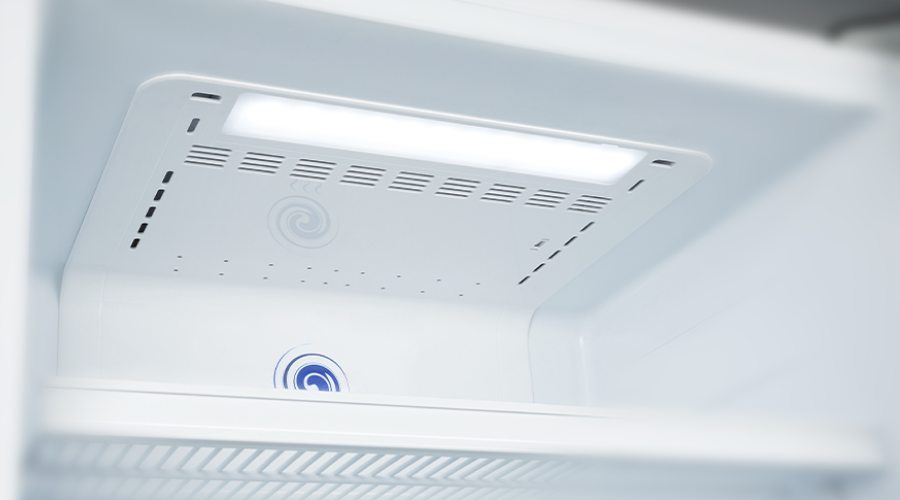
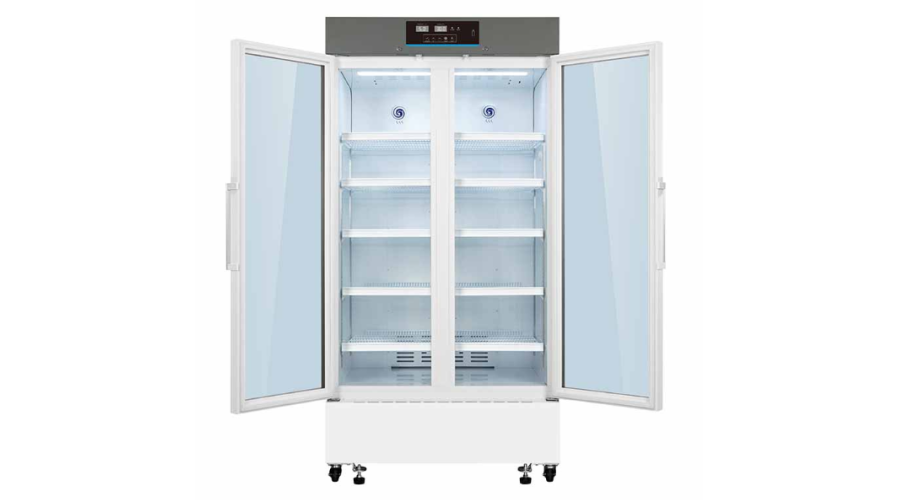
In support of keeping vaccines safe at their desired temperature range, medical refrigerators are fitted with a range of features that are vital for storage. These include the following:
Temperature control
Vaccine refrigerators need to maintain a consistent temperature which is critical to successful vaccine storage. In order to maintain the required temperature range of +2°C to +8°C, refrigerators are fitted with advanced cooling systems that can distribute air evenly to help prevent any hot or cold spots. Unlike other brands, Vacc-Safe refrigerators are also fitted with top cooling units that create an air curtain to prevent outside heat from entering when the door is open.
Monitoring
Temperature monitoring is an important part of any effective vaccine refrigerator. Healthcare professionals can use wireless data loggers and in-built thermometers within the refrigerator to record temperatures at consistent intervals. We recommend investing in a refrigerator that can display current, minimum and maximum temperatures. Any monitoring data can be exported onto an external device or USB flash drive. Carrying out accurate temperature recording is an essential part of maintaining compliance and quality assurance.
Interior light
Healthcare professionals should aim to minimise door-open times as much as possible, to help prevent any cold air from escaping. Medical refrigerators are commonly fitted with interior lighting that helps staff quickly locate and retrieve vaccines prior to opening the door.
Lockable doors that are self-closing
Especially when storing expensive, temperature-sensitive materials such as vaccines, security becomes of heightened importance. All vaccine refrigerators should have some form of locking system that helps to prevent any untrained personnel from accessing them. Locking systems can include physical keys, PINs or passwords.
Fan assistance
The fan-assistance features help to ensure that air is sufficiently circulated throughout the refrigerator unit. This helps to maintain a consistent, uniform temperature, and prevent any hot or cold spots that are common in household refrigerators. This is particularly important for areas prone to fluctuations such as near doors or shelves.
Glass and heated doors
Having a glass door can be a valuable feature of a vaccine refrigerator. Especially when paired with an interior light, a glass door can offer clear visibility of your internal storage, to help reduce temperature losses during prolonged door openings. Modern vaccine refrigerators will also typically feature heated doors that prevent condensation and icing from compromising insulation.
Alarms
Even slight deviations from their safe temperature range can cause vaccines to lose their potency. This makes it essential to be aware of any temperature deviations, with vaccine refrigerators fitted with alarm systems that can immediately alert healthcare professionals to any unsafe changes in temperature. The type of alarms can vary, including visual alerts, audible signals, or remote notifications to smartphones.
In-built battery
Power outages can be damaging to any form of medical storage. Without power a vaccine refrigerator would only last 30-40 minutes before the temperature becomes unsafe for storage.
Most vaccine refrigerators can be fitted with an external UPS (Uninterruptible Power Supply) to keep temperatures maintained. Or you could choose a vaccine refrigerator such as the Vacc-Safe PowerGuard, with a built-in UPS, the first of its kind in Australia. Instead of a bulky UPS box, the Vacc-Safe PowerGuard delivers a reliable, continuous supply of power in a space-saving design.
How to Choose the Best Vaccine Refrigerator
To help you choose the best vaccine refrigerator for your facility’s needs, we recommend considering the following factors:
Use of fridge for your industry
You’ll need to understand the purpose of your refrigerator and the features that can best serve your facility. For example, if you’re a general practice clinic that’s managing a diverse range of vaccines, you may want to prioritise a model with adjustable shelving for maximum flexibility. You may be working in a rural health clinic that suffers from frequent blackouts, meaning you’ll likely need a refrigerator with a UPS or backup battery.
Storage capacity
Different facilities will have unique storage requirements, based on their type and volume of vaccines they are looking to administer. The number of patients your facility treats will also influence the size of your vaccine refrigerator. Smaller clinics, such as general practitioners and community pharmacies, will typically operate with smaller refrigerators, such as the compact Vacc-Safe VS50 underbench refrigerator. While larger hospitals and clinical trial facilities will require high-capacity refrigerators to store large volumes of vaccines.
Energy consumption
When debating the right vaccine refrigerator, don’t overlook the importance of energy consumption. This is crucial for keeping operational costs and the environmental footprint of a medical facility low. Try to opt for energy-efficient refrigerators to reduce your electricity bills. If you’re unsure over the energy consumption of a specific vaccine refrigerator, consult with the experts at Vacc-Safe to determine the amount of power you require for daily operation.
Monitoring capabilities
To help protect against cold chain breaches and keep vaccines safe, you’ll need a vaccine refrigerator with an in-built min/max thermometer. This is essential for regulatory compliance as you’ll be required to log the minimum and maximum temperatures. For extra assurance, you can add an external data logger for continuous temperature monitoring. Vacc-Safe premium refrigerators come with an in-built USB data logger, giving you continuous temperature monitoring without the need for an external device.
Warranty
Vaccine refrigerators are a significant investment, making it important to always check the warranty provided by your manufacturer. We recommend you prioritise a vaccine refrigerator with a warranty period of at least two years.
The majority of vaccines require strict cold chain storage, and must be refrigerated between +2°C and +8°C to maintain their effectiveness. All vaccines that require cold temperatures must be stored within a purpose-built vaccine refrigerator. The team at Vacc-Safe are Australia’s leading manufacturer of vaccine refrigerators. Please visit our contact page for more information.