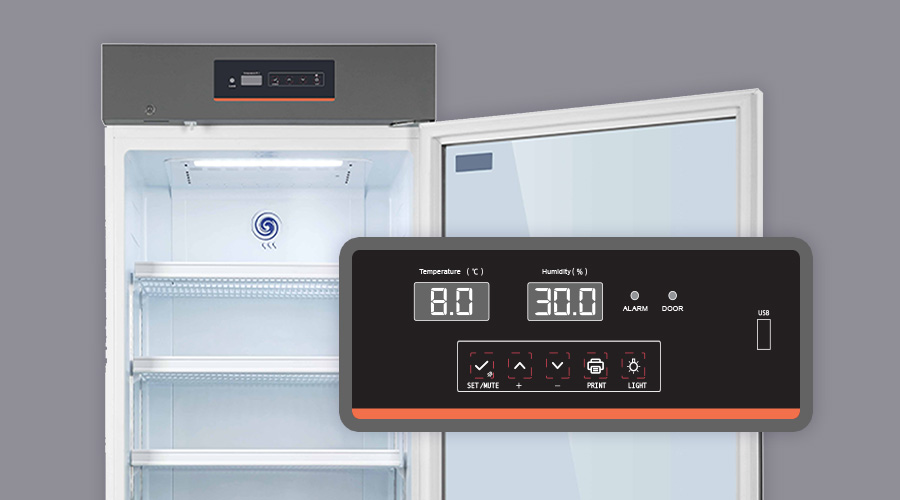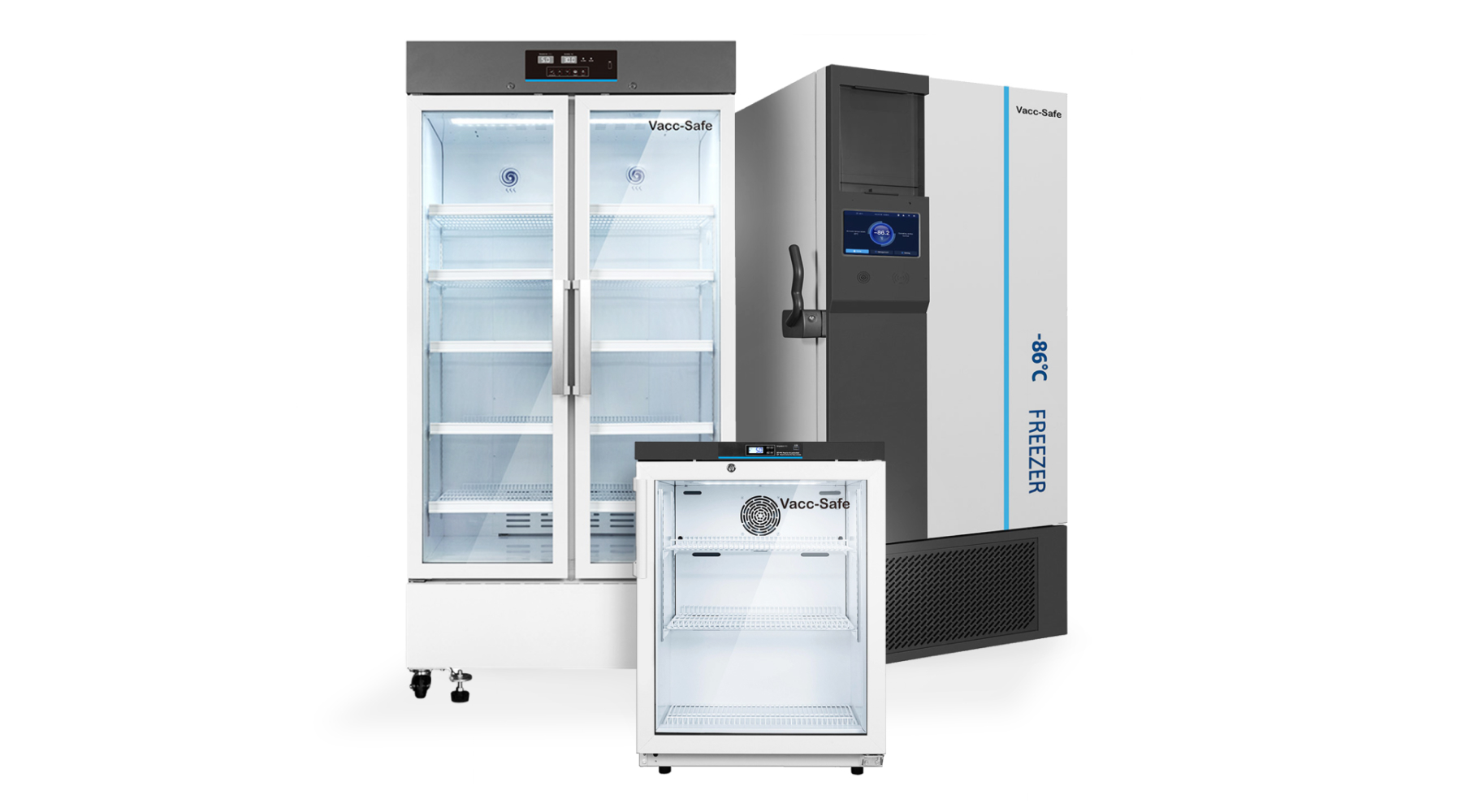
Medical refrigerators are essential equipment for keeping medicines, vaccines and other biological samples safe at a temperature between 2°C and 8°C. Because the integrity of these pharmaceuticals is reliant on accurate temperature readings, it’s important to ensure that your refrigerators are regularly calibrated.
Calibration refers to the process of comparing a refrigerator’s temperature readings against a reliable reference to verify their accuracy and ensure readings are correct. This process is essential for adhering to strict regulations and prolonging the safe storage of any pharmaceuticals. Even slight deviations may cause degradation, which can compromise any research or clinical studies, in addition to significant financial losses.
Read on to learn more about medical refrigerator calibration, including how often it should be carried out and the key signs that may indicate a more frequent calibration is needed. We will also break down the key steps in the calibration process and where you can organise this service for your medical facility.
Medical Fridge Temperature Guidelines
Medical fridges are specifically designed to adhere to a strict temperature range of 2°C to 8°C for the safe storage of medications and biological products. Unlike domestic refrigerators, where temperatures can fluctuate widely, medical fridges are precision devices, with powerful fans and monitoring systems that keep temperatures strictly within their safe operating range. While the acceptable temperature range is between 2°C and 8°C, medical practices should aim for a temperature of 5°C.
This temperature range is central for maintaining the cold chain, which is the system of safely transporting and storing vaccines and other temperature-sensitive medicines and biological samples. This is important because pharmaceuticals such as vaccines are delicate substances that will lose their potency and effectiveness if not stored correctly. Adhering to the cold chain protocol helps to ensure patients receive the best treatment possible.
This is also important for complying with the Australian federal government regulations, as established within their National Vaccine Storage Guidelines – Strive for 5.
What is Medical Fridge Calibration?
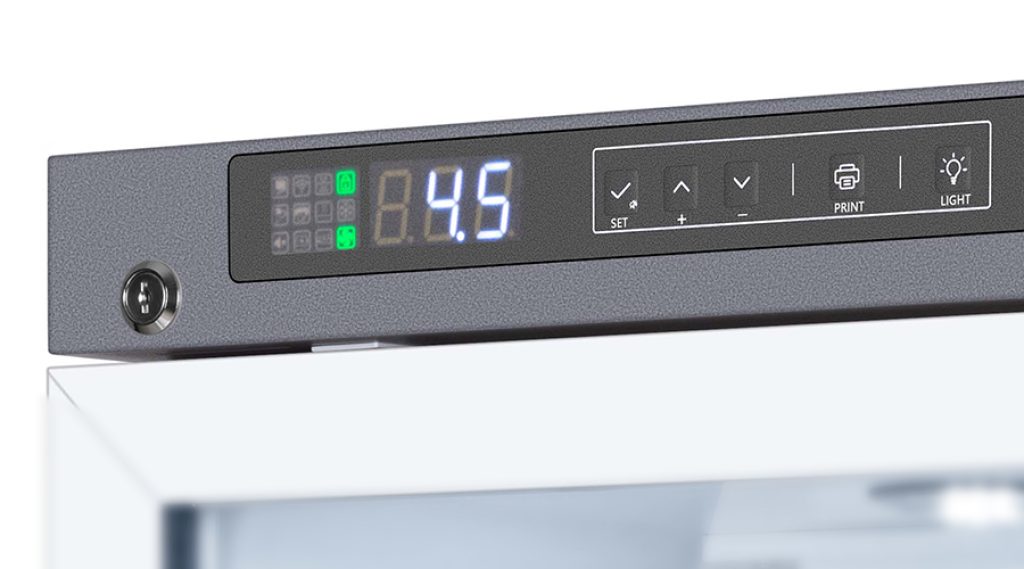
Medical fridge calibration refers to the process of verifying the internal temperature of your refrigerator to ensure it’s aligned with the manufacturer’s specifications and adheres to industry standards. It is used to minimise any uncertainty in measurements, particularly when storing vaccines, samples and other pharmaceuticals that are critical for patient care. It helps to reduce any errors by confirming the measurements are delivering accurate results.
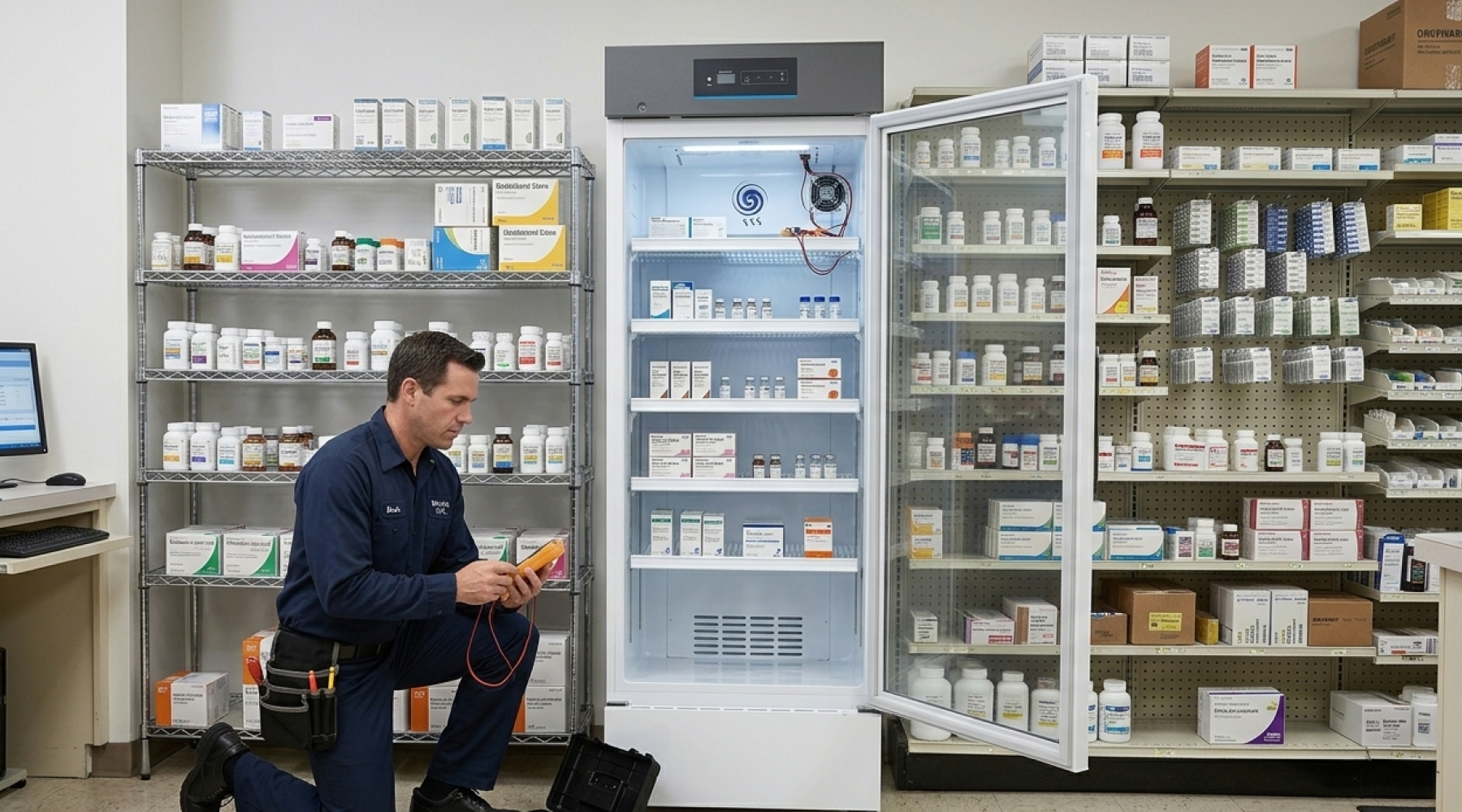
Calibration is carried out with a certified temperature probe/thermometer that has been cross-referenced against a verified source to confirm accuracy. Calibration needs to be performed by a certified refrigeration technician or professional calibration service, who can verify if the readout temperature of your fridge is in line with the internal temperature.
Calibration protocols are essential to a wide range of industries, including healthcare, pharmaceuticals, veterinary clinics, medical research and many others. For blood storage, medical fridge calibration helps ensure compliance with the requirements of AS 3864.2.
Why is Medical Fridge Calibration Important?
Ensuring your medical fridge is professionally calibrated is important for the following reasons:
- Ensuring accuracy
Medical fridges typically have to maintain a specific temperature range of between 2°C and 8°C to ensure the potency and stability of certain medications and biological products. Regular calibration from a specialised technician helps to ensure your equipment is maintaining an accurate temperature, to reduce the risk of any undetected fluctuations. - Compliance with regulatory requirements
In Australia, vaccine storage requirements are outlined in the Australian Government’s National Vaccine Storage Guidelines – Strive for 5, which recommends storing vaccines between 2°C and 8°C, with a target of 5°C. Regular calibration provides documented evidence that your refrigeration equipment is operating within the required temperature range. - Prolonging equipment lifespan
When carried out with regular servicing, calibration can identify any early signs of wear and tear before they get worse. By addressing these issues, you can keep your refrigerator running efficiently and help extend its overall lifespan. - Prevent costly losses
When regular calibration is neglected, this increases the risk of your medical refrigerator operating outside of its safe temperature range. This can silently ruin an entire batch of stored pharmaceuticals, which can lead to significant financial losses. Therefore, investing in calibration services is a cost-effective strategy for safeguarding your stock and avoiding any costly replacements. - Strengthened reputation
By maintaining medical equipment that is routinely serviced and calibrated, this demonstrates commitment to quality and accuracy. By demonstrating that your practice follows rigorous calibration protocols, this helps to build trust and confidence in patients and partners.

How Often Should You Receive a Medical Fridge Calibration?
We recommend a calibration of your medical fridge and a professional service at least once per year. However, if you encounter any problems between that time, you may need a calibration sooner. This should also include all temperature-monitoring equipment, including alarms and other associated equipment, which should be checked annually.
The exact frequency will depend on various factors, including the criticality of stored materials. Refrigerators used to store products that are particularly susceptible to temperature fluctuations may require more frequent calibration.
The age of your medical refrigerator is another key factor, as older equipment can be more prone to temperature fluctuations and may require calibration more frequently than newer models. The environment your refrigerator is in can also affect frequency. For example, refrigerators located in areas with high humidity, direct sunlight or poor ventilation may need calibration more often.
If any issues arise, please contact a medical fridge technician immediately to ensure the issue doesn’t escalate further.
Signs Your Medical Fridge Needs Calibration
Recognising the warning signs that your medical fridge may need more frequent calibration is key to staying ahead of potential issues. These include the following:
- Inconsistent temperatures
When the thermometer or monitoring system linked to your medical refrigerator displays temperatures that deviate significantly from the safe 2°C and 8°C range, this is a clear indication that calibration is required. Using a data logger is an effective way to continuously monitor temperature conditions over time to spot any fluctuations. - Temperature fluctuations
If your refrigerator is providing sporadic temperature swings, this could indicate a sensor failure or an internal component that is no longer working reliably. If you start to notice any of these fluctuations in temperature, we recommend arranging for a calibration service promptly. - Unusual noises
Any unusual clicking, humming or rattling sounds can be clear indicators of a potential mechanical issue that’s affecting your refrigerator’s ability to maintain a set temperature. While not always linked to calibration, if you start to notice these sounds are accompanied by temperature fluctuations, it should warrant a calibration check. - Frequent alarms
Modern refrigerators, such as those developed by Vacc-Safe, are equipped with an in-built alarm system that is designed to alert healthcare professionals when temperatures move beyond the safe parameters. When alarms are triggered consistently without a clear reason, this may suggest a potential problem with temperature control that requires calibration to address. - Failed slush test
The slush test is a practical method for verifying the accuracy of a refrigerator’s thermometer at the freezing point of water. By using the stable temperature of an ice-water mixture at equilibrium, healthcare professionals can quickly assess the accuracy of a thermometer. If it fails this test, it may indicate that it requires further investigation, calibration or a full replacement.
Steps in the Calibration Process
The steps in the calibration process typically include the following:
- Preparation
Before you begin calibration, all the necessary equipment, including the reference thermometer and data logger, should be assembled and tested. The medical refrigerator should be operating under normal conditions and allowed to reach its target temperature range before measurements are taken. - Placing the monitoring device
The data logger is positioned near the centre of the refrigerator, or at points that are most vulnerable to temperature fluctuations, such as near the door. Once placed inside, it will be left to run continuously over a set monitoring period, to automatically record temperature readings at regular intervals to build an accurate picture of the refrigerator’s performance. - Compare measurements with medical fridge
The temperatures recorded by the data logger are analysed against the readings displayed by the medical refrigerator’s built-in thermometer. Any discrepancies between the two measurements are noted as this can indicate an inaccurate refrigerator. - Re-verification
If any discrepancies are found, a refrigerator technician will need to make adjustments to ensure readings are correct. This typically includes adjusting the internal control software of the fridge to make sure it reads accurately. Once any changes are finished, the monitoring process is repeated to confirm the fridge is now operating accurately. - Documentation
Findings are then recorded within a formal calibration report, including any readings from data loggers and adjustments made to the refrigerator. This documentation will serve as the official record of compliance, and should be kept for any audit purposes.
Where to Find Calibration Services
You can find available calibration services through several channels, including accredited biomedical equipment specialists, who can carry out on-site visits. You can also find calibration services from many refrigerator manufacturers who provide calibration as part of their servicing.
While basic maintenance and temperature checks can be performed DIY, it’s vitally important that any advanced servicing or calibration should be carried out by a qualified technician.
Eurochill offers expert assistance for repairs and calibration services for your medical refrigerators and freezers. Their refrigeration service offering extends to Vacc-Safe’s range of refrigerators, incubators and other cold storage equipment. For more information on how to keep your refrigerator running accurately and efficiently, please reach out to the team at Eurochill.
Calibrating your medical refrigerator is an essential part of keeping your stored samples, vaccines and pharmaceuticals safe at the correct temperature. For more information on medical refrigerators and the importance of regular calibration, please reach out to the team at Vacc-Safe.