Temperature data loggers are essential devices for precise temperature monitoring and data recording across a variety of industries. They assist with maintaining quality, safety and compliance through accurate readings.
The best temperature data logger for your application will depend on a variety of factors. The type of device, from classic USB data loggers to modern wireless devices that utilise cloud-based software. You will also need to ensure the data loggers have precise accuracy, strong battery life and software compatibility. By keeping these factors in mind, you can ensure you choose the best data logger for your needs.
What is a Temperature Data Logger?
A temperature data logger is a small electronic sensor that measures the temperature of an environment at regular intervals over a set period of time. Unlike a thermometer, which only provides spot readings, a data logger can track temperatures continuously to collect a broad set of recordings. The digital data can then be retrieved, viewed and evaluated after it has been recorded to spot any long-term trends or temperature fluctuations.
Data loggers can be found in a vast array of sizes and are often small enough to be attached directly to a product during refrigerated transport. Temperature data loggers are vital to industries where cold chain logistics must be adhered to, supporting temperature control and regulatory compliance.
Types of Temperature Data Loggers
USB data loggers
One of the most common and affordable options for medical facilities, they record temperature data directly onto a USB device for easy retrieval and review. Once the monitoring period is finished, the data logger can be plugged into a computer via USB to download recorded data. They are a popular choice for single-use cold chain shipments, such as monitoring vaccines from the manufacturer to the facility.
Ethernet data loggers
Ethernet data loggers are manually connected to a wired network, which allows temperature data to be sent in real time to a central monitoring system. Because they still rely on a physical network connection, they aren’t well-suited to transport and are more appropriate for fixed locations such as a warehouse or storage area. They are a great choice for medical facilities that need continuous monitoring without having to depend on a wireless signal.
Wireless data loggers
With no physical connection, wireless data loggers can transmit temperature data over Wi-Fi or Bluetooth. This makes them great for larger facilities where manual data collection is required across multiple locations. Many wireless data loggers can also send automatic alerts when temperatures fall outside the safe temperature range.
Smart data loggers
Smart data loggers combine wireless connectivity with cloud-based software that allows temperature data to be monitored remotely from any device. Many smart data loggers may also offer real-time dashboards and instant alerts that make them one of the most advanced options available. This makes them great for facilities that require detailed documentation for compliance and for managing multiple storage locations.
Benefits of Temperature Data Loggers
Ensure compliance
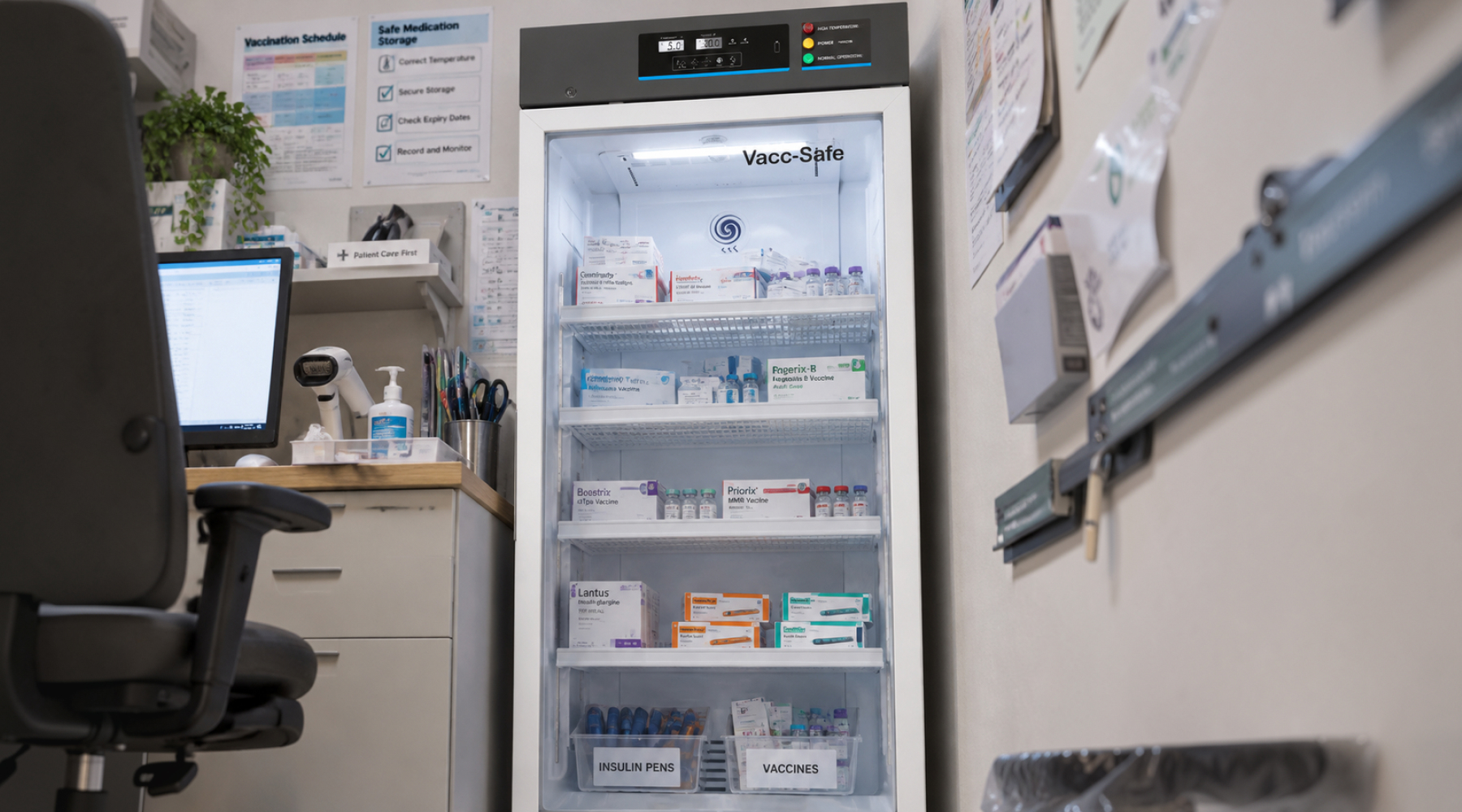
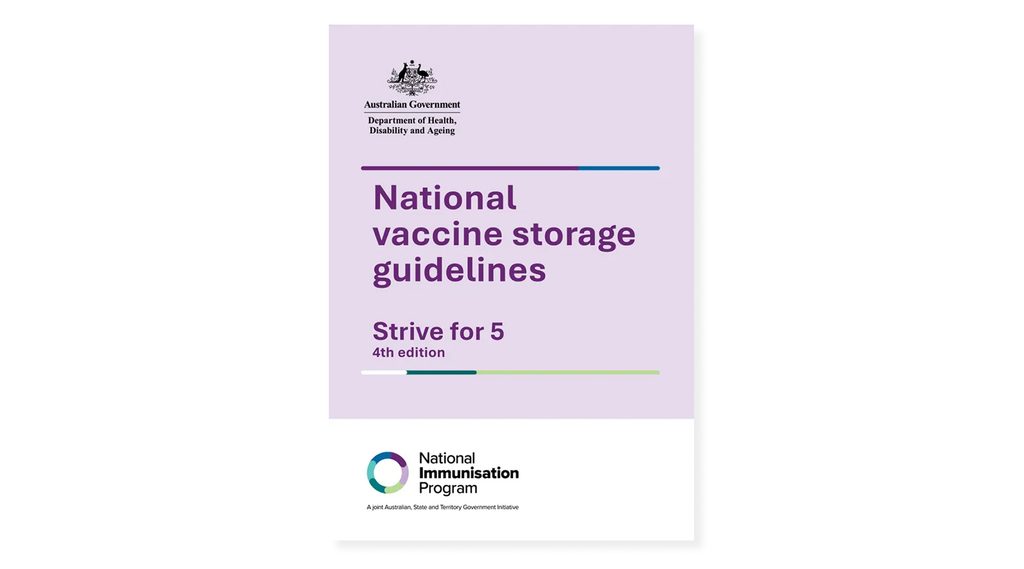
Certain industries, particularly the medical and pharmaceutical sectors, are responsible for handling temperature-sensitive products and must comply with stringent regulations such as the National Vaccine Storage Guidelines (Strive for 5). Temperature data loggers are essential for giving healthcare professionals access to time-stamped data on the cold chain conditions. This helps to ensure proper documentation is carried out, to avoid any costly penalties or fines.
Provides early warning of cold chain breach
When temperatures move beyond the safe temperature range, products can quickly lose their efficacy. For example, vaccines in a medical refrigerator need to be maintained within the +2°C to +8°C range. Temperature data loggers, such as wireless and smart data loggers, can carry out continuous monitoring and send real-time alerts whenever the safe temperature threshold is exceeded. This gives healthcare workers an early warning and valuable time to deal with the cold chain breach.
Reduce product loss and waste
If a cold chain breach goes unnoticed, this can quickly waste massive amounts of stock with significant financial losses. Manual temperature checks can be missed, particularly after hours or during weekends. By using temperature data loggers to automatically monitor conditions and for responding to any alerts or breaches, facilities can reduce the amount of unnecessary wastage.
Ensure efficacy for patients
Especially for pharmaceutical products, such as vaccines or medications, maintaining the safe temperature range is essential for their efficacy for patients. Vaccines are highly temperature sensitive, with exposure to unsafe heat or freezing reducing their potency. Data loggers can give healthcare professionals the confidence that they are providing the best possible care for patients, with products that remain within their safe temperature range.
Identify refrigerator issues
Temperature data loggers can also be used to identify early warning signs that a refrigerator is underperforming or ready for maintenance. Because data loggers can provide easy access to long-term data, healthcare professionals can identify trends that point to a potential refrigeration issue before it affects stored products. Monitoring equipment such as data loggers and thermometers can also help extend a refrigerator’s lifespan and maximise their long-term investment.
Key Features to Look For in a Temperature Data Logger
High precision and accuracy
Temperature data loggers are designed to capture precise readings at regular intervals, providing an accurate record of conditions over time. Most devices will offer accuracy within ±0.5°C, making them suitable for applications where even minor fluctuations can affect product integrity.
Portability
Most data loggers are designed to be compact and lightweight, which makes them easy to deploy across a range of environments, such as within a storage unit or attached directly to a shipment during transport.
Long battery life
Temperature data loggers are built to run continuously over an extended period of time without any interruptions, with many models offering a battery life from several months to multiple years.
Alarms and connectivity
Modern temperature data loggers can be configured to send alerts when readings fall beyond the safe temperature range, which can give staff valuable time to act quickly before products are affected.
How to Choose the Best Temperature Data Logger
To choose the best temperature data logger for your facility, it’s important to consider a variety of factors. These include the following:
Purpose
The best data logger should actually match the purpose of your medical facility. For example, clinics and pharmacies are generally more focused on keeping vaccines and medication within the 2°C to 8°C temperature range, so data loggers need continuous monitoring with automatic sensors. Laboratories may be storing samples at freezing temperatures, so data loggers need a wider temperature range. While clinical trials need evidence of temperature readings for research purposes, data loggers need to be able to provide time stamped records that are easy to obtain.
Temperature range and accuracy
Because different applications have varied temperature ranges, it’s important to choose a data logger that can monitor the conditions to suit your facility. For example, vaccine storage needs to be monitored within the strict 2°C to 8°C temperature range. Accuracy is also just as important to ensure readings are correct for compliance reasons, with approximately ±0.5°C or better strongly recommended.
Battery life and durability
Particularly for temperature data loggers that are used in long shipments or remote monitoring, battery life should be an important consideration. Many temperature data loggers are single-use, meaning they are designed to last the length of a specific journey. While chargeable models should have enough battery life to last significant monitoring periods between charges. The best data logger should have a large enough battery life to cover the length of time for your facility. It’s also wise to consider durability, as many data loggers in warehouses or transport may be exposed to frequent knocks, extreme temperatures and moisture.
Memory capacity
A data logger’s memory capacity refers to how many readings it can store before the data needs to be downloaded, or the memory becomes full. For most facilities that require short-term monitoring at infrequent recording intervals, a basic memory capacity should be sufficient. Although for larger facilities that are operating long-term monitoring across multiple locations, we recommend a model with a higher memory capacity to avoid any data gaps.
Software compatibility
Modern temperature data loggers should come with a companion software for downloading any recorded data. However, it’s vital to confirm that any model’s software is also compatible with your facility’s existing systems. Some models may even offer cloud-based platforms to access data remotely and share across departments to simplify the documentation process.
Ease of use
Temperature data loggers should be easy to set up and operate for staff. The best models should have a clear display, with intuitive controls and software, as this can save valuable time for healthcare professionals. For larger facilities, managing multiple devices with easy-to-use data loggers can also reduce the resources spent on staff training.
Best Temperature Data Loggers in 2026
The following are some of the best temperature data loggers currently on the market:
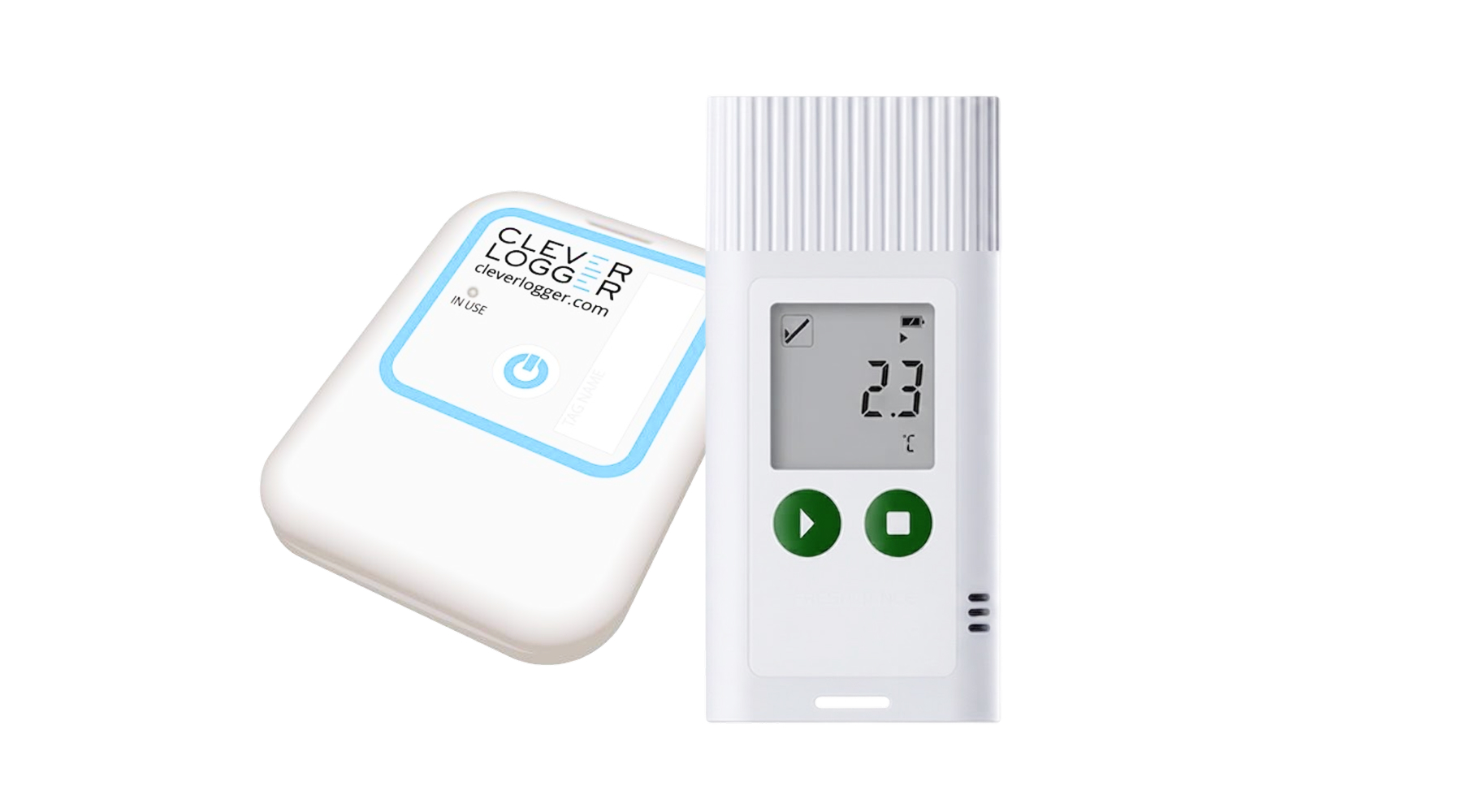
Clever Logger – $407 / $120 (tag only)
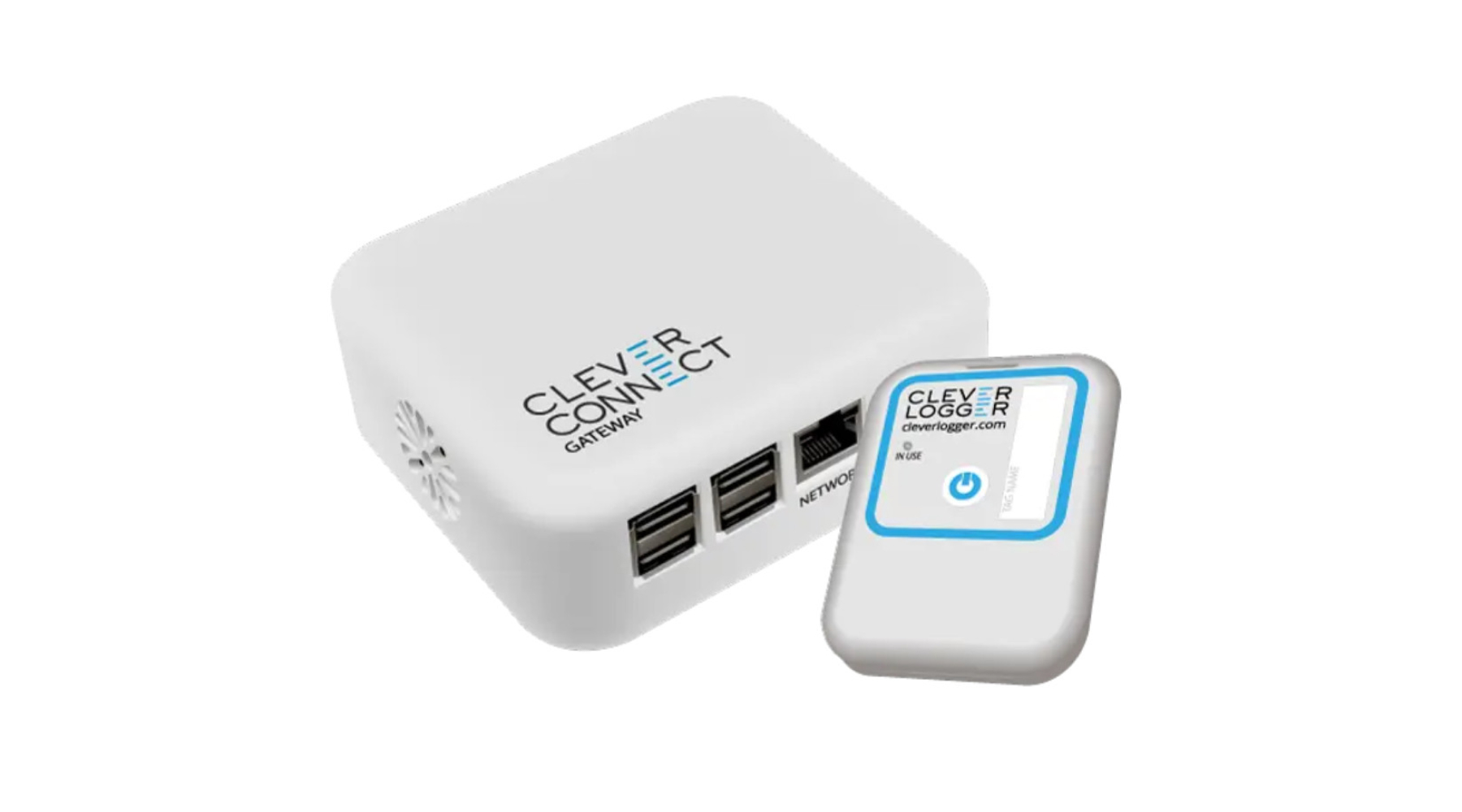
The Clever Logger wirelessly saves the temperatures from your fridge to the internet every few minutes. That means you never need to touch the logger or remove it from the fridge.
Key Features
- -20°C to +60°C measurement range
- Wi-Fi Connectivity
- Cloud-based continuous tracking
- iPhone and Android App
Best Paired With
TagPlus – $79
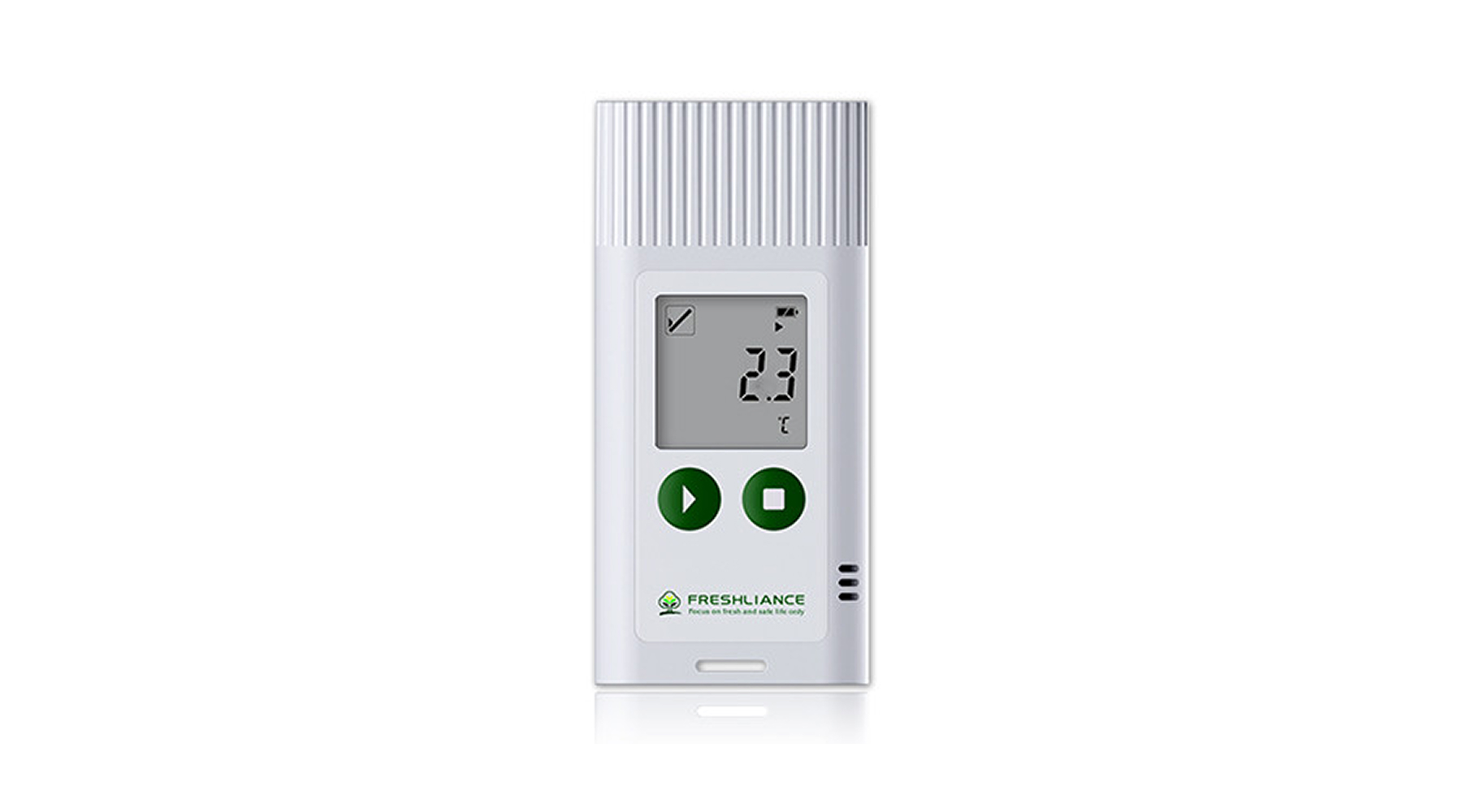
The TagPlus is a simple way to log the temperature of your vaccines, medications and samples.
Key Features
- Temperature Range; -30℃ to 70℃
- Fast, plug-and-play data retrieval
- Takes up to 35,000 readings
- No software needed to download reports; just simply stop the logger, remove the cap and plug the USB into your computer
Best Paired With
Atlas-Log 30 – $99
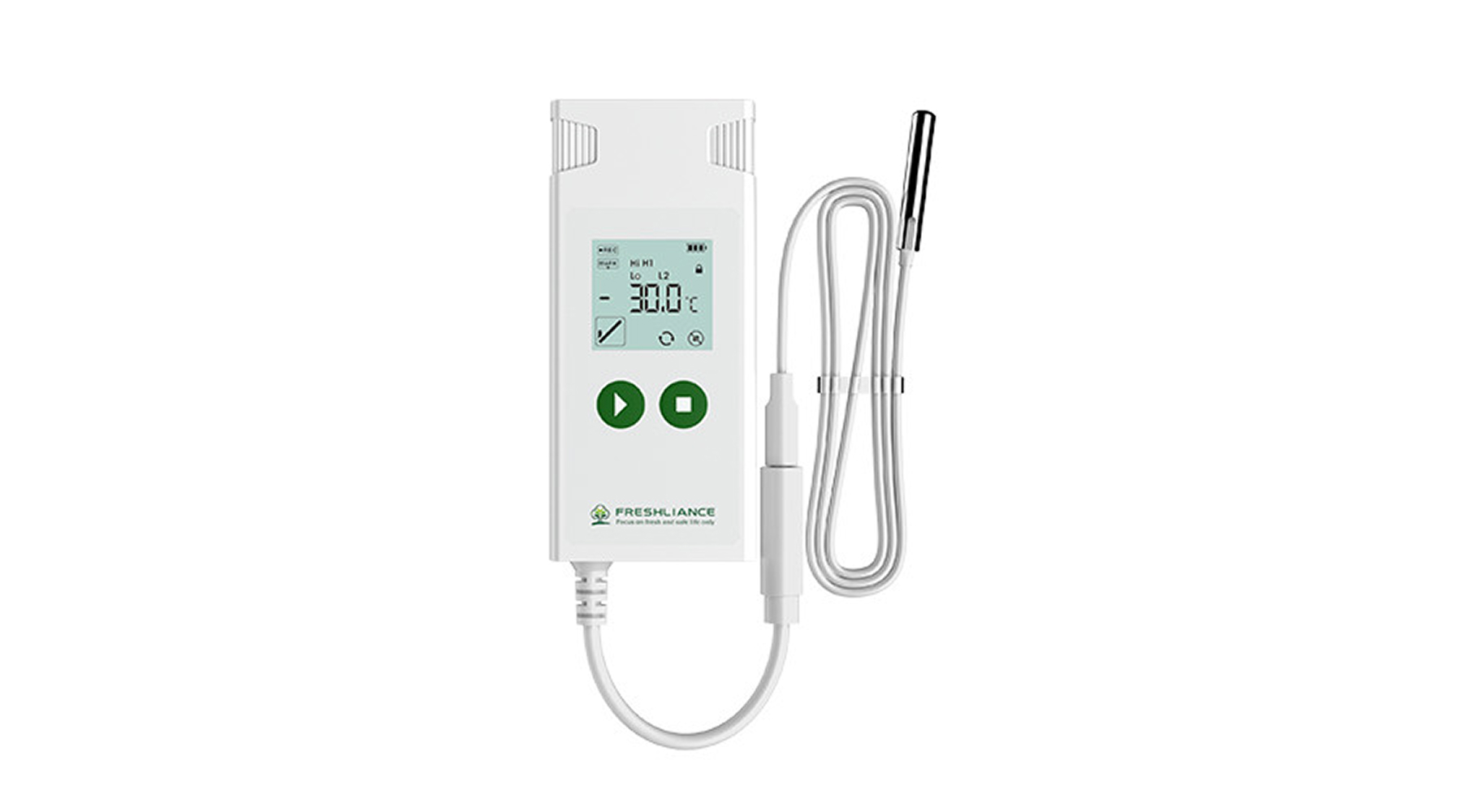
The Atlas-Log is a USB data logger with an external probe suitable for temperatures from -30℃ to 70℃. Ideal for cold-chain logistics and warehouses.
Key Features
- Extended 30-day recording
- Multi-sensor connectivity
- Temperature Range; -30℃ to 70℃
- 2m external probe in two different temperature ranges
- Temperature displayed in real time
Best Paired With
Bluetag TH30 – $175
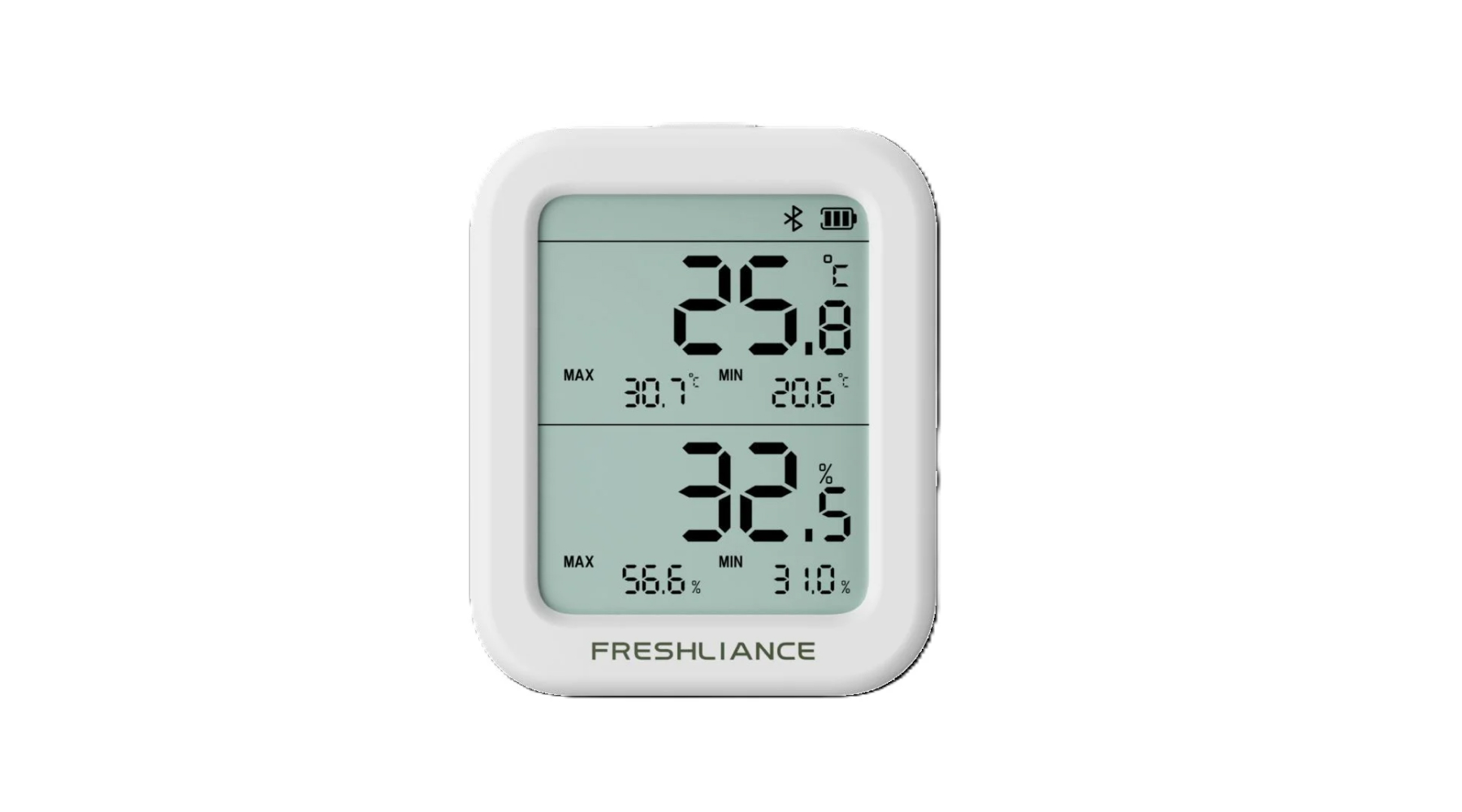
The BlueTag TH30 is a multi-use temperature and humidity logger that uses Bluetooth technology to connect to a gateway and app to send data and alerts to users.
Key Features
- Temperature Range; -30℃ to 70℃
- Can be paired with a gateway to send SMS alerts (Must be located within 100m of the gateway with a clear path.)
- App supports multiple users
- Takes up to 20,000 readings per probe
- Receive comprehensive data analysis and graphs via email or view them on the app.
Best Paired With
Bluetag TH30R Starter Kit 5°C – $399
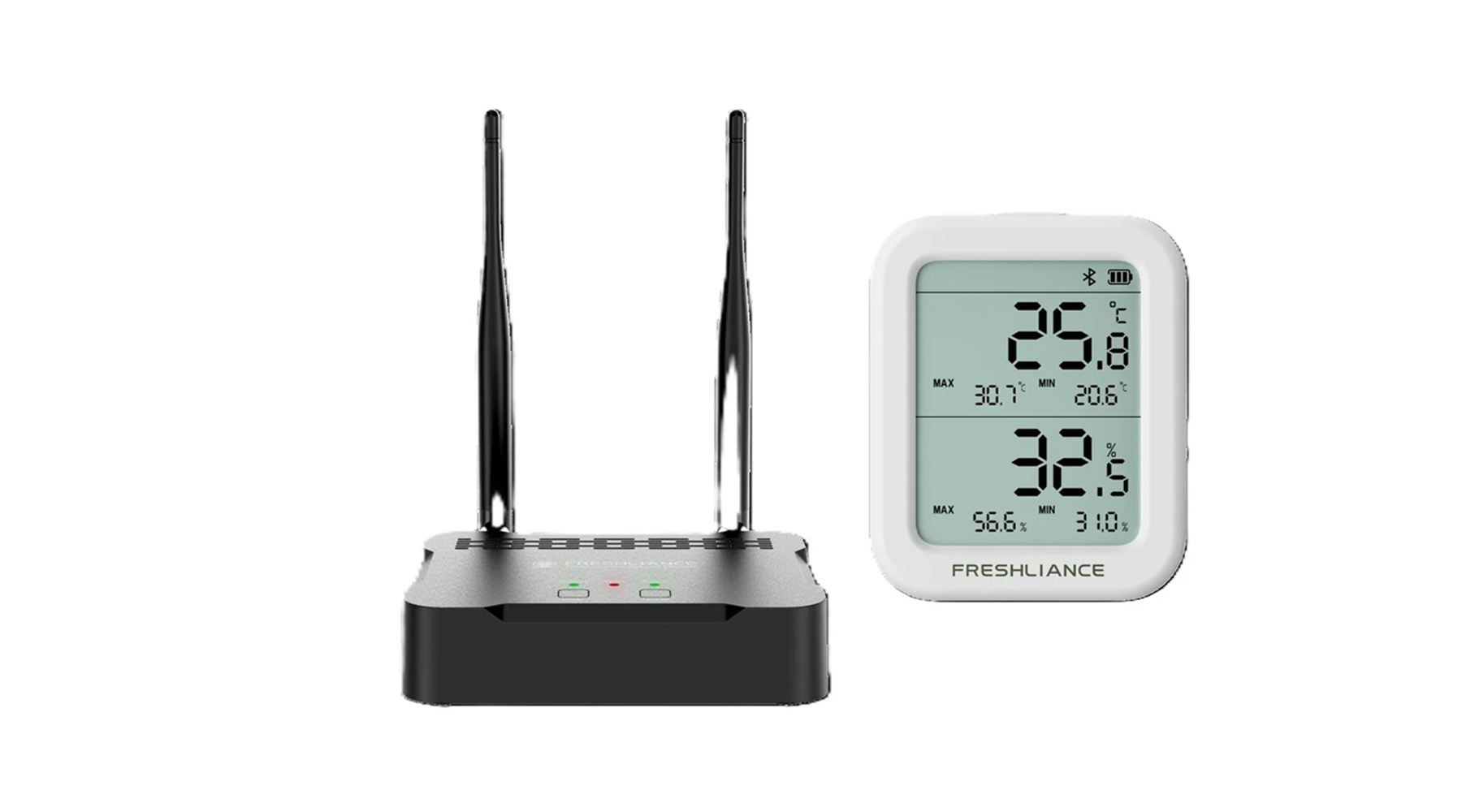
The Bluetag Starter Kit combines the TH30R with the G1000 Gateway to send real time temperature data to nominated users when logged in to the Freshliance app.
Key Features
- Temperature Range; 2°C to 8°C
- No software needed to download reports; just simply scan the QR code on the logger to view data.
- Must be located within 100m of the gateway with a clear path.
- The app supports multiple users.
- Configure the loggers’ settings via the app.
- Receive comprehensive data analysis and graphs via email or view them on the app.
- Takes up to 20,000 readings per probe.
Best Paired With
Bluetag TH30R-I Starter Kit -90°C – $499
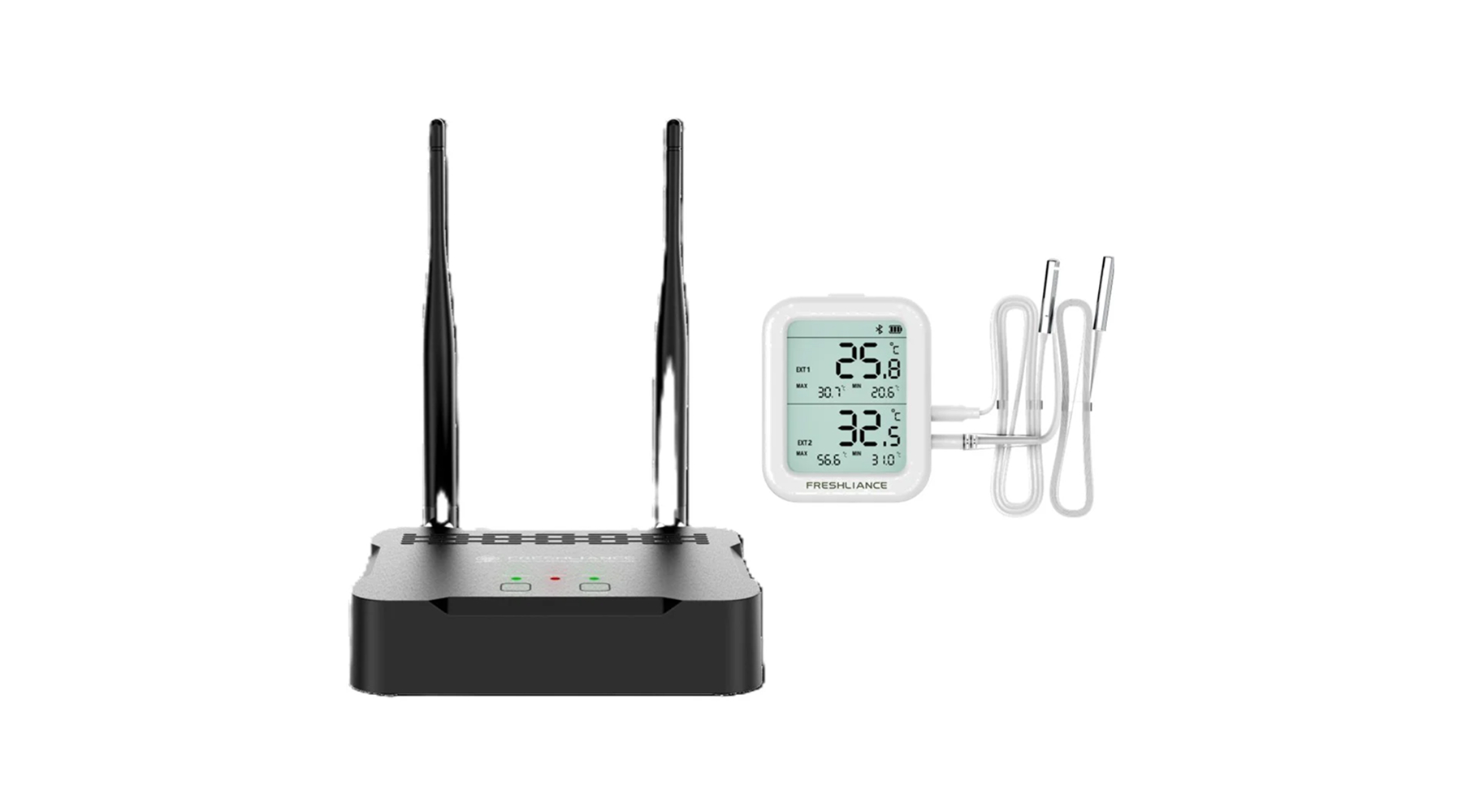
The Bluetag Starter Kit combines the TH30R-I with the G1000 Gateway to send real time temperature data to nominated users when logged in to the Freshliance app.
Key Features
- Temperature Range; -90°C to 70°C
- No software needed to download reports; just simply scan the QR code on the logger to view data.
- Must be located within 100m of the gateway with a clear path.
- The app supports multiple users.
- Configure the loggers’ settings via the app.
- Receive comprehensive data analysis and graphs via email or view them on the app.
- Takes up to 20,000 readings per probe.
Best Paired With
- Vacc-Safe Below Zero -25°C Freezers
- Vacc-Safe Below Zero -40°C Freezers
- Vacc-Safe Below Zero -60°C Freezers
- Vacc-Safe ULT Freezers
Maintenance and Best Practices
To get the most accurate readings and prolong the lifespan of your data logger, we recommend the following tips:
Proper placement
It’s important to choose the right position for the effectiveness of a data logger. They should be placed away from door seals, cooling vents and walls, as these areas are much more prone to temperature fluctuations. For larger storage areas, data loggers should be placed at multiple points to provide a more complete picture of conditions.
Regular calibration
Temperature data loggers can slowly drift away from their original accuracy over time. This is why regular calibration is important, against a known reference standard. Most data logger manufacturers recommend calibrating your loggers at least once a year, although facilities with strict regulatory requirements may need to conduct more frequently.
Documentation
Maintaining thorough records of logger deployment, calibration history and data is essential for facilities operating under stringent regulatory frameworks. Many modern data loggers and their companion software can automate many of these processes and can generate ready-to-use reports. Good documentation practices ensure temperature records are easy to locate and present during any inspections.
Data loggers are indispensable devices for monitoring and maintaining the optimal conditions needed for the safe storage of temperature-sensitive products. For more information on data loggers and how they can support your other medical equipment, such as refrigerators and incubators, please reach out to the experts at Vacc-Safe.