Data loggers are an electronic device that uses sensors to measure environmental parameters like temperature and humidity. They monitor and record data over a period of time usually wirelessly or through bluetooth or a cellular connection. Data loggers can be physically connected via a USB. Understanding how a data logger works is crucial for accurately collecting, verifying and interpreting data as industries rely on them for efficiency and safety. Data loggers are used across many industries like pharmaceuticals, food and beverage to maintain safety standards and ensure product quality and regulatory compliance.
What is a Data Logger?
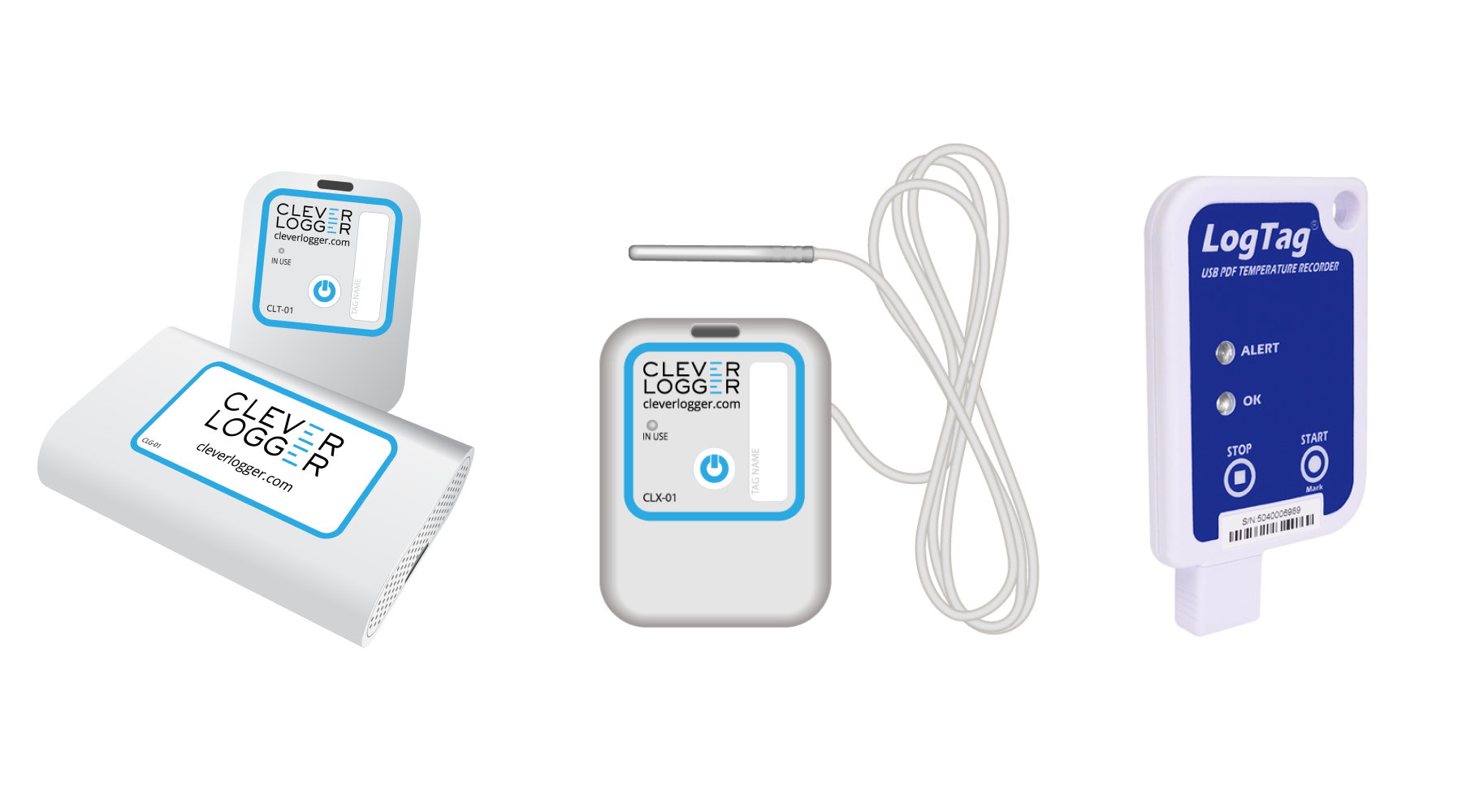
A data logger records and monitors conditions like voltage, temperature, humidity and pressure over a set period of time. It is usually a small electronic device with built in instruments or sensors via external instruments. Data loggers are typically a compact battery powered box, designed to be placed in locations to automatically record data. They are often built with hard casings to be used in challenging environments like medical fridges or freezers. Inside a data logger is a microprocessor, memory and sensors to efficiently capture and store data. Some data loggers have an LCD screen and keypad for standalone use. Others can be connected to a phone, computer or network.

How it Works
Data logging works by using sensors to measure specific parameters like humidity and temperature while a microprocessor records the data to the internal memory. Unlike thermometers that simply capture real time temperature which is then manually recorded, data loggers deliver continuous monitoring. To record information a data logger requires components like sensors, internal memory, a microprocessor and power supply. These components allow the data logger to record information over time into a memory chip. To understand how a data logger works, we look at two main steps – the internal components and the process.
Internal Components of Data Logger
- Sensors: Some data loggers have built-in sensors but many have external or interchangeable sensors to measure a variety of conditions. Internal sensors are built directly into the data logger and are used for general measurements like ambient temperature. External sensors are connected to the data logger via a cable or wire. This type of sensor allows flexibility for more versatile data acquisition. Common parameters measured by sensors are voltage, temperature, humidity, pressure, time, resistance and current.
- Microprocessor: This component of the data logger is a small multifunction computer processing chip that is the brain of the device. The microprocessor performs skills like adding, subtracting and data comparison from information it receives from the sensors. It handles the storage of the internal data and places it into the memory.
- Memory: This is usually an internal memory like a flash memory which is non volatile and used to retain information even when there is no power supply. Alternatively some data loggers have random access memory (RAM) which is a volatile memory that loses its contents when the electricity is off. The size of the memory determines how much data can be stored. However, there are external memory choices with expansion options to increase memory capacity beyond what the internal memory can hold. USB flash drives and SD cards are also used for additional external storage.
- Power source: Data loggers can be battery-powered or use an external power source like solar panels or an AC adaptor, depending on the application and location.
Other Essential Components of a Data Logger
- Programmable module: Some data loggers are programmable so the user can configure the data logger to specific instructions. They may set how often the data is collected or establish alert levels for certain conditions.
- Communication ports: They are the ports that enable users to download the data onto a computer via a USB, ethernet or Wi-Fi connection.
- External accessories: To enhance data logging capabilities, there are some external accessories that can be connected. These include external sensors, external displays or antennas.
How the Data Logger Collects and Stores Information
- Initial data logger software installed on a computer or mobile device for remote access.
- The data logger is then connected to the computer and parameters for logging are set. This includes sampling intervals, alarm thresholds and start and stop times.
- The sensor collects data by continuously monitoring the environment and converting the physical phenomena into an electrical signal. The phenomena the sensor is collecting information on is usually temperature, humidity, voltage or pressure. The device attaches the current date and time to the reading.
- The microprocessor takes the signals from the sensors and converts it to a digital signal. It then prepares the data for output and manages communication protocols for transferring it to a computer or other devices like the USB options.
- The digital data is then entered into the data logger’s internal memory. The memory will continue to store data until the memory reaches capacity or the pre-set stop time.
- Users retrieve the data from the memory for analysis and decision-making. The data is downloaded from the logger’s memory to the computer or mobile device. It is then analysed for trends, minimums, maximums or any variations beyond acceptable limits.
Types of Data Loggers
While all data loggers are designed to collect information and use it for the verification of parameters like temperature and humidity, there are different types. The five primary types of data loggers are standalone, computer-based, web-based, wireless and cold chain.
- Standalone data logger: A standalone data logger is a portable device that records data without needing constant connection to a computer. It has a built-in memory and operates without an external source. A computer may initially be needed to provide the initial programming but after that a standalone data logger works independently. Standalone data loggers are ideal for a variety of environments and can be placed where there is no power supply or network connection. They are ideal for monitoring temperature sensitive goods like medications, vaccines and biological samples during transportation when connectivity may be intermittent or non-existent. Standalone data loggers are also less expensive than connected models and preferable for those with a restricted budget.
- Wireless data logger: Also known as cordless data loggers or WiFi data loggers, wireless data loggers specifically use a wireless system to send data and real time alerts through technologies like WiFi, Bluetooth or long range radio frequency.
- Computer-based data logger: Computer-based data loggers use software installed on a computer to collect and process data from the external sensors. These types of loggers are good at capturing data in real time and providing instant feedback and analysis. Unlike standalone data loggers that store data internally, these systems are connected to the computer via a wired or wireless connection. Computer-based data loggers are easily integrated with other computer based systems which makes them ideal for research and development. They do require computer tethering to work.
- Web-based data logger: A web-based data logger is an internet connected device that sends data to a remote server. Unlike a computer-based data logger, the web-based logger does not require direct connection to a computer for data retrieval and analysis. This type of logger connects to the internet via WiFi, Bluetooth or Ethernet and transmits the data to a secure web server. This data can then be accessed, analysed and managed for any device with a web browser.
Applications for Data Loggers
Data loggers are used across a wide variety of applications to ensure product quality and safety, monitor infrastructure and optimise processes. These small electronic devices are essential for monitoring temperature in food and pharmaceutical storage, environmental monitoring and even fine art tracking.
The main applications and industries that use data loggers are:
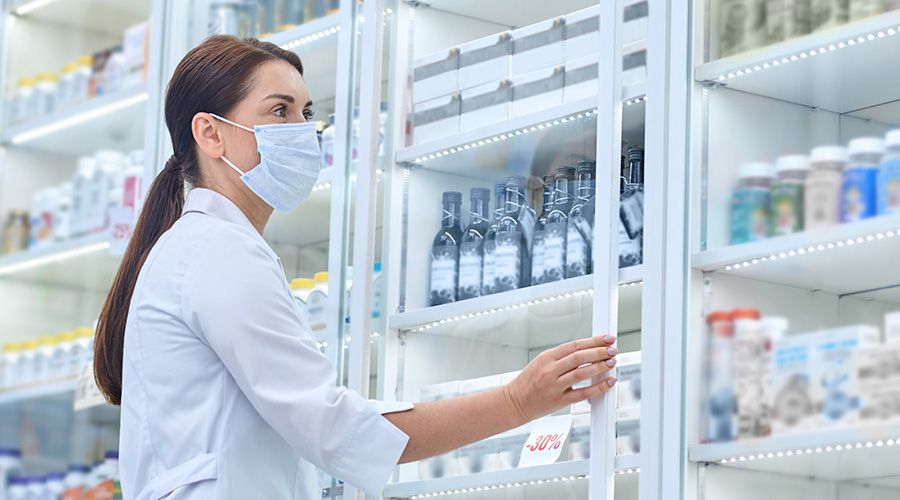
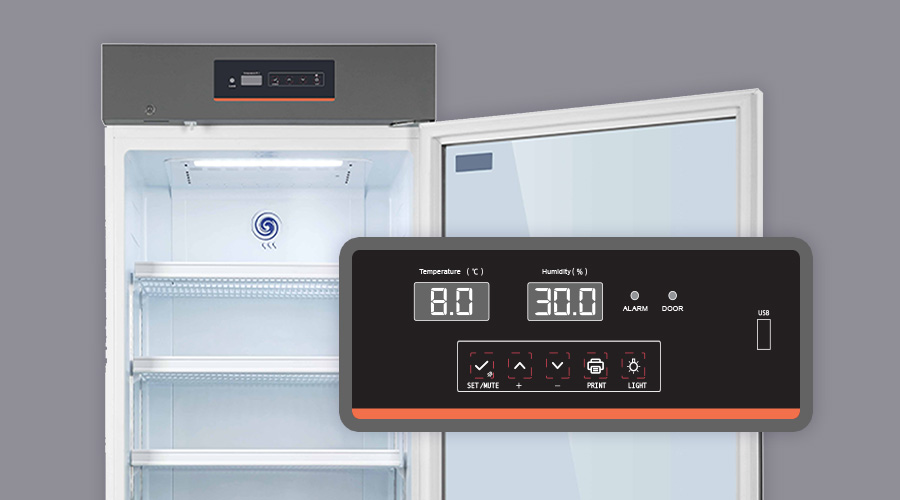
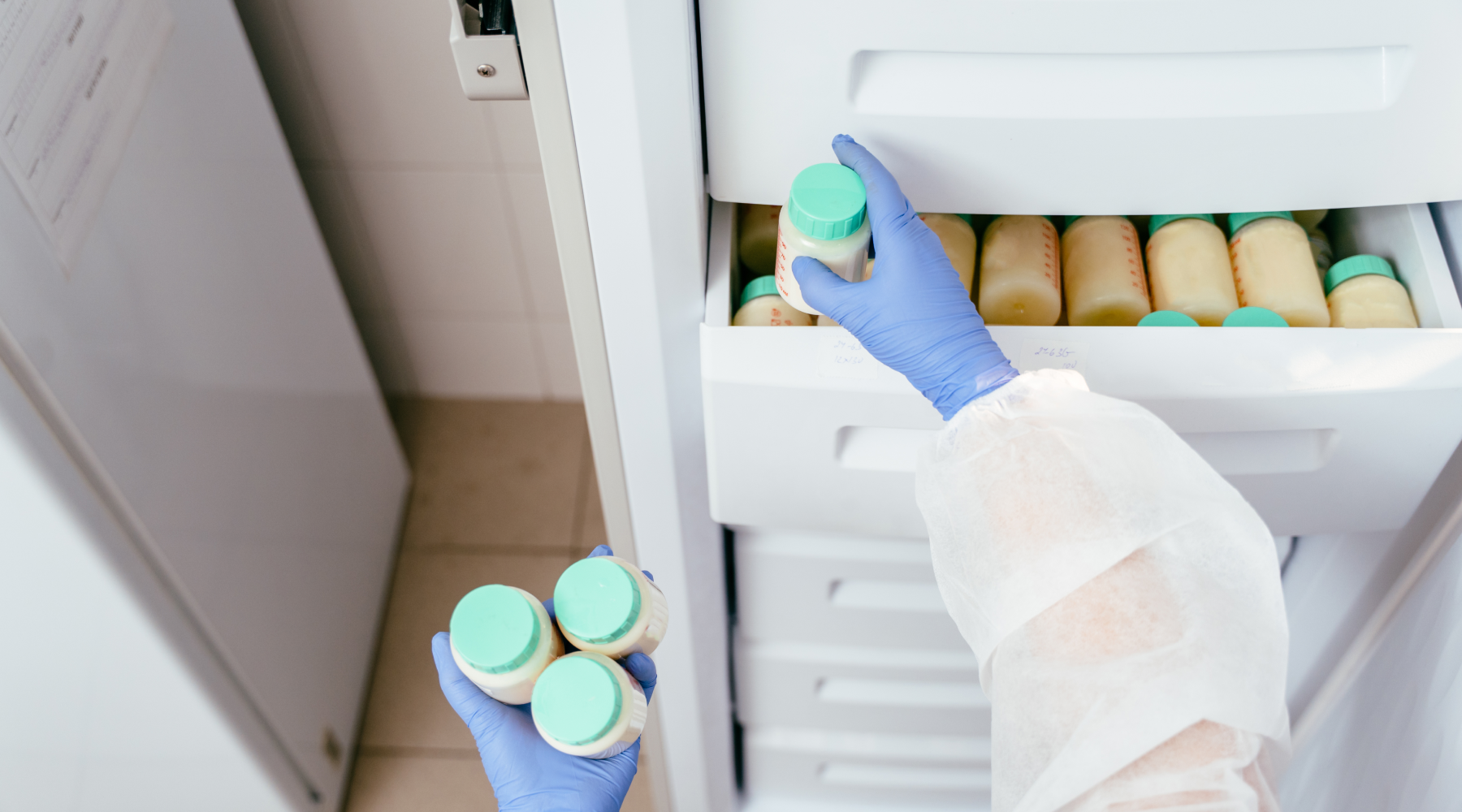
- Healthcare and pharmaceuticals: Data loggers are used in healthcare and pharmaceuticals to continuously monitor temperature sensitive vaccines, biological samples and medications and ensure compliance with regulations. Data loggers ensure medical fridges stay within the acceptable temperature range of 2°C to 8°C which is required to keep temperature sensitive medical products safe and effective during storage and transport Any variation outside these parameters will be recorded by the data logger and an alert can be sent. These are used in pharmacies, hospitals, clinics and research laboratories that require accurate data to validate that experiments were conducted under correct conditions.
- Food storage: Cold chain temperature monitoring is essential for the storage and transportation of temperature sensitive food products. As with the medical industry, the food industry must adhere to strict regulations to avoid a cold chain breach. Data loggers help identify points in the supply chain where temperature control may be failing and allow for improvements and reduced product loss.
- Weather forecasting: Data loggers are used to collect continuous data necessary for accurate weather forecasting. Meteorologists use these devices to help predict weather events like storms and droughts.
- Fine art tracking: Data loggers are used in fine art tracking or preservation and security. It monitors the ambient temperature, humidity or shock during transport and in storage to keep precious artworks safe and prevent damage from factors like corrosion or mold.
Benefits of Data Loggers
Data loggers are reliable and time efficient solutions for measuring important criteria like temperature, humidity, and pressure. The many benefits of using data loggers include:
- Accuracy and reliability: Data loggers are a practical and safe way to gather large volumes of data. They precisely record measurements at set intervals without human intervention or potential error.
- Continuous data collection: they provide a stream of data over a continuous period of time which is essential for analysing trends and performance.
- Regulatory compliance: Data loggers ensure regulations are complied with, particularly cold chain requirements and industry standards.
- Remote monitoring: Wireless models allow for real time data access from remote or difficult to reach locations.
- Wide range of applications: Data loggers can be used for data access required by a wide range of industries and applications.
- Immediate notification: Some data loggers are able to advise immediately of any breach outside the desired parameters being monitored and recorded.
Data loggers work by using components like sensors, microprocessors and an internal memory to record and monitor important data. Each type of data logger can suit a variety of industries and applications making them extremely versatile and accessible. For more information on data loggers and how they work, contact the experts at Vacc-Safe.