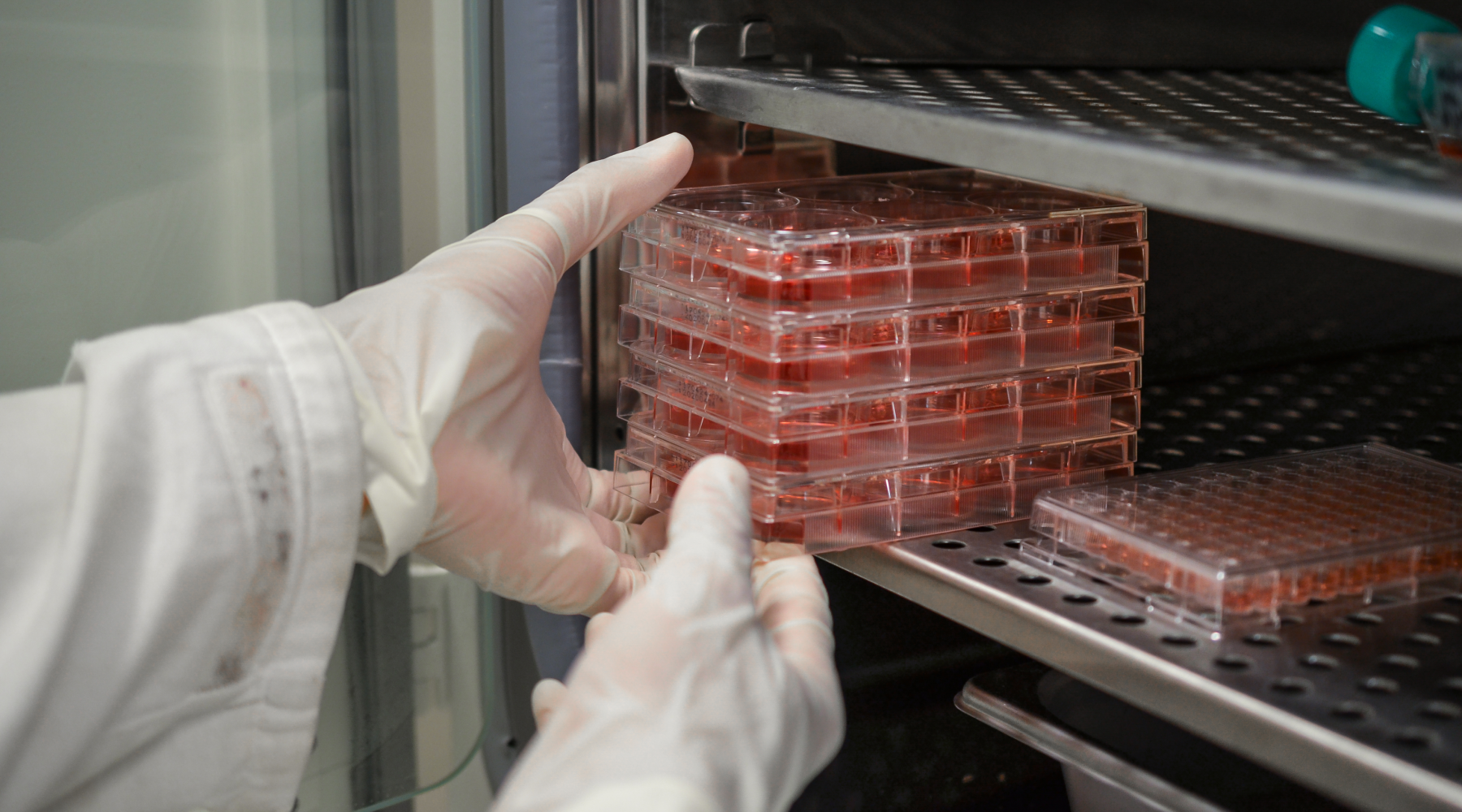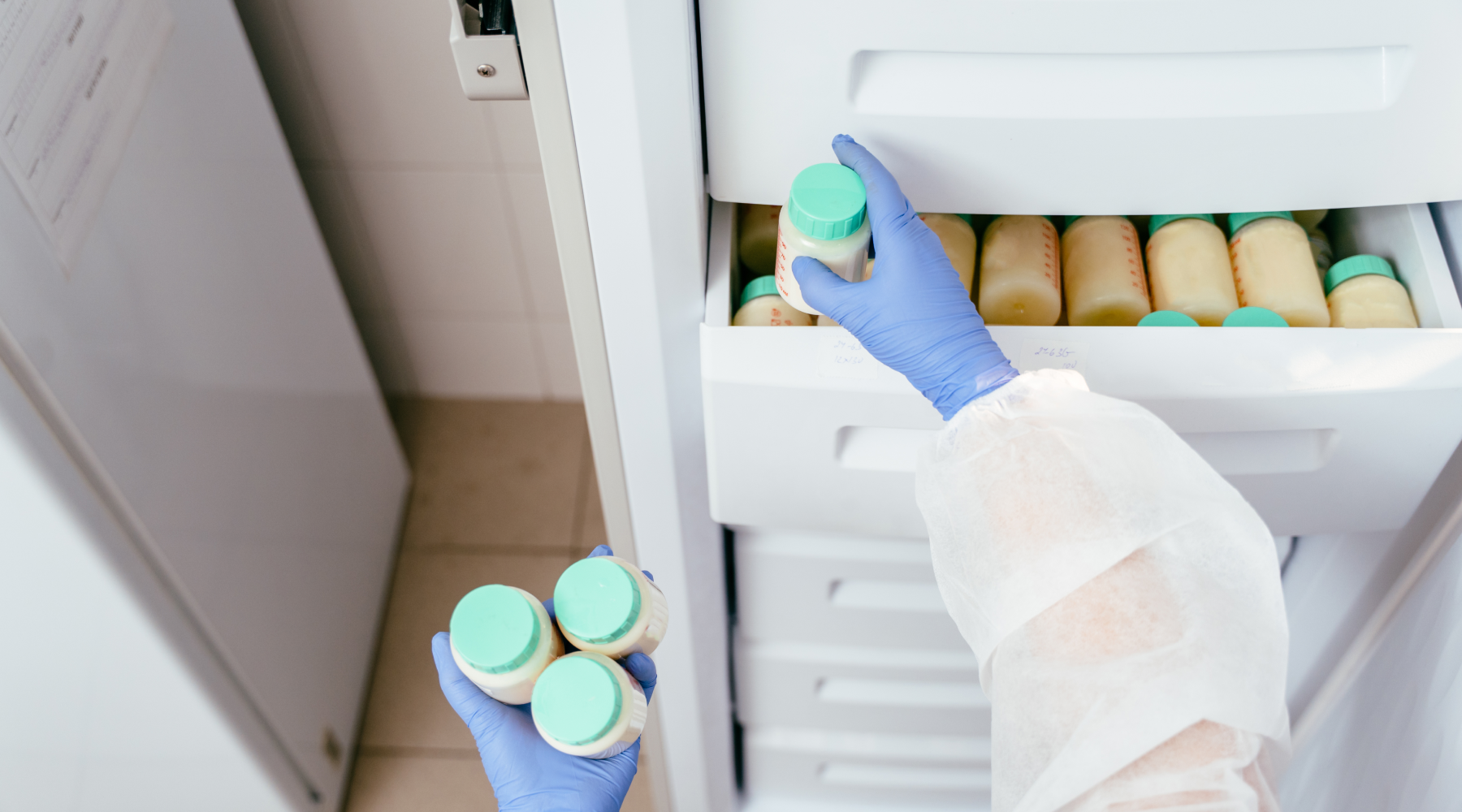
The ideal temperature for a lab freezer depends on the materials being stored and their temperature requirements. Lab freezer temperatures range from -10°C to -86°C and even lower for cryogenic freezing. These types of freezers play a critical role in storing pharmaceuticals, biological samples and in scientific research. Choosing the ideal lab freezer temperature is imperative for sample stability and regulatory compliance.
Why Lab Freezer Temperature Matters
The temperature of a lab freezer is important to keep temperature-sensitive items stored safely and within specific parameters. Even small deviations in temperature can lead to contamination and degradation of biological and chemical samples. The main reasons lab freezer temperature matters are because they:
- Preserve sample integrity: Preserving sample integrity refers to keeping samples in the same physical, chemical and biological state they were collected in. Samples used in laboratories like biological tissue or DNA are highly sensitive to environmental conditions and will become unviable if not kept within strict medical lab freezer temperature parameters. This temperature control slows down molecular movement and biochemical reactions which prevent oxidation and breakdown of components. It is imperative that samples are kept safe and integrity is preserved to ensure data is generated accurately from the original sample.
- Maintain chemical stability: Many chemical uses in laboratories are temperature sensitive. Exposure to temperatures outside recommended ranges cause reactions like volatilisation or precipitation which reduce potency and the effectiveness of the reagents.
- Meet regulation standards: As laboratories operate under strict regulations that specify strict temperature requirements, organisations must ensure their biological samples, pharmaceuticals and reagents are kept in strict temperature control with continuous monitoring and safety protocols. Lab freezer temperature must be constantly monitored and have alarm systems to ensure compliance with strict guidelines. Adhering to the temperature requirements demonstrates quality assurance and regulatory compliance within the laboratory operations. Any failure to comply with proper storage conditions and requirements can lead to invalidated results, audit failures or even loss of accreditation.
- Prevent enzymatic activity and microbial contamination: Biological samples naturally have enzymes and these can continue to catalyse reactions after collection which leads to the degradation of the sample. Lower temperatures slow enzymatic activity which keeps samples safe. Maintaining specific cold temperatures in lab freezers prevents microbial metabolism and reduces the risk of contamination and sample spoilage.
- Preventing freeze-thaw damage: Fluctuations in temperature cause ice crystals which form and disrupt cell membranes and damage samples in the refreezing process.
- Cost and efficiency: When temperatures are kept at safe levels for a lab freezer’s contents, it ensures viability. This saves time and money as there is no need for sample replacement or repeating experiments.
Types of Lab Freezers and their Temperatures
Different lab freezers operate at specific temperature ranges and each is designed for specific storage requirements. The types of lab freezers and their temperatures are:
Below zero -25 °C freezers
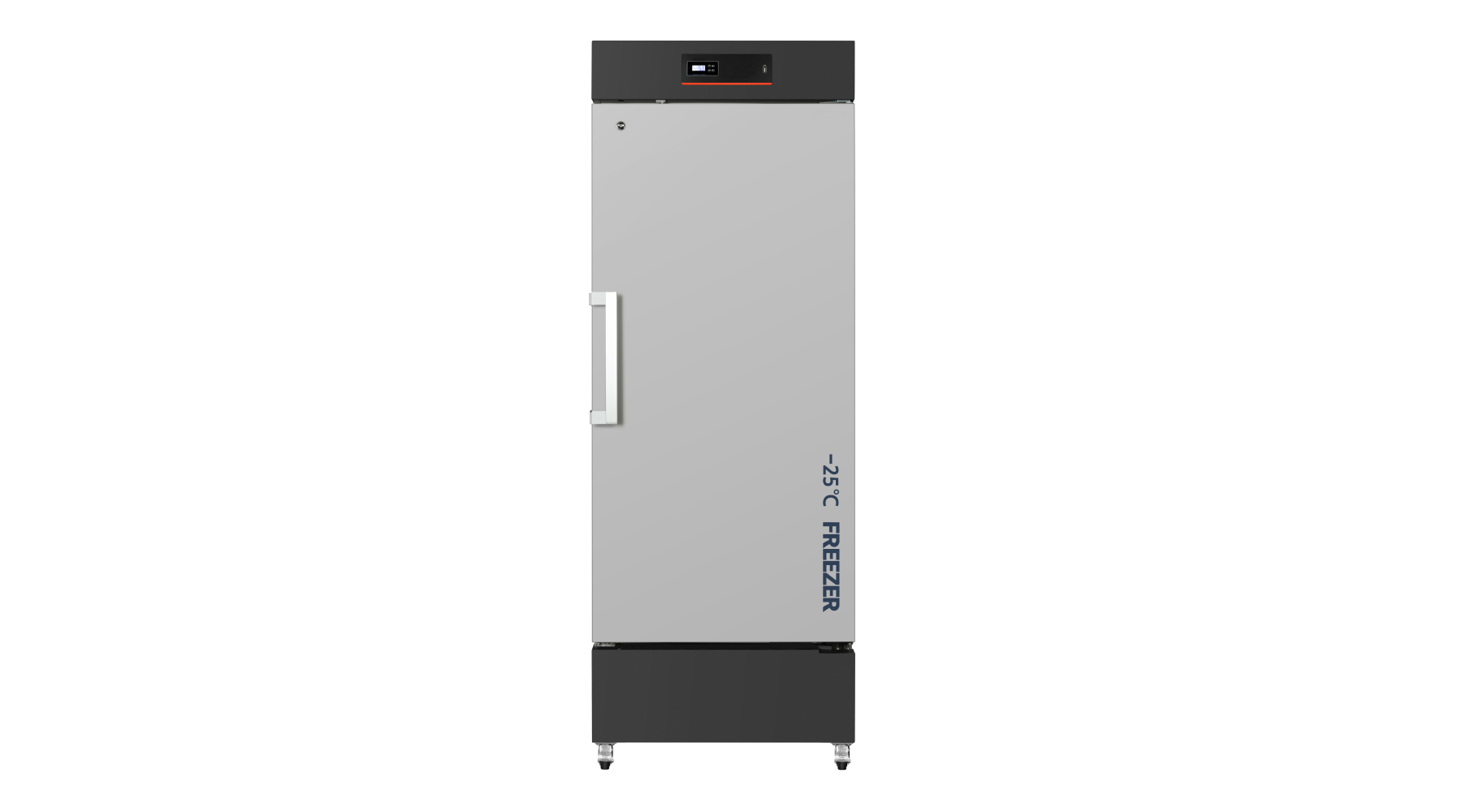
These are the standard lab freezers that typically operate between -10°C and -25°C. They are used widely in research, clinical and educational laboratories. They store enzymes, antibodies, and some pharmaceuticals. Blood samples and plasma may also be stored in these temperatures for short to medium periods of time. While this temperature range significantly slows down biochemical reactions, it doesn’t completely stop enzyme activity so this type of lab freezer is less suitable for the storage of long term materials.
Below zero -40 °C freezers
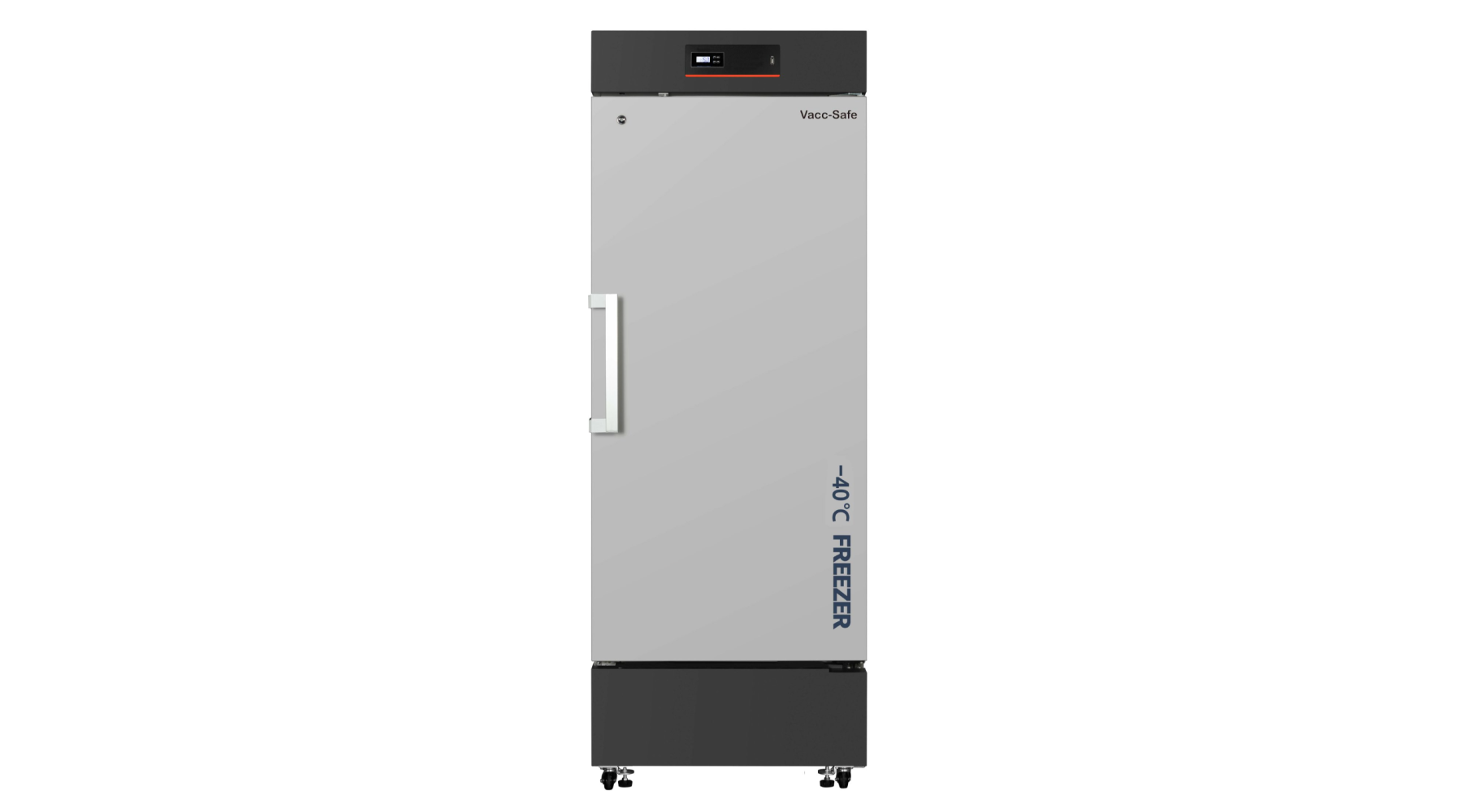
These freezers provide colder, more stable storage at -40°C and are commonly used in pharmaceutical, industrial and clinical laboratories. This type of freezer is ideal for storing biological materials like plasma, vaccine, serum, diagnostic samples and temperature sensitive medications. Sometimes food and environmental samples are stored in a below zero -40°C freezer. The colder environment than the standard feature ensures reduced degradation, minimises freeze thaw damage and extends sample shelf life.
Below zero -60 °C freezers
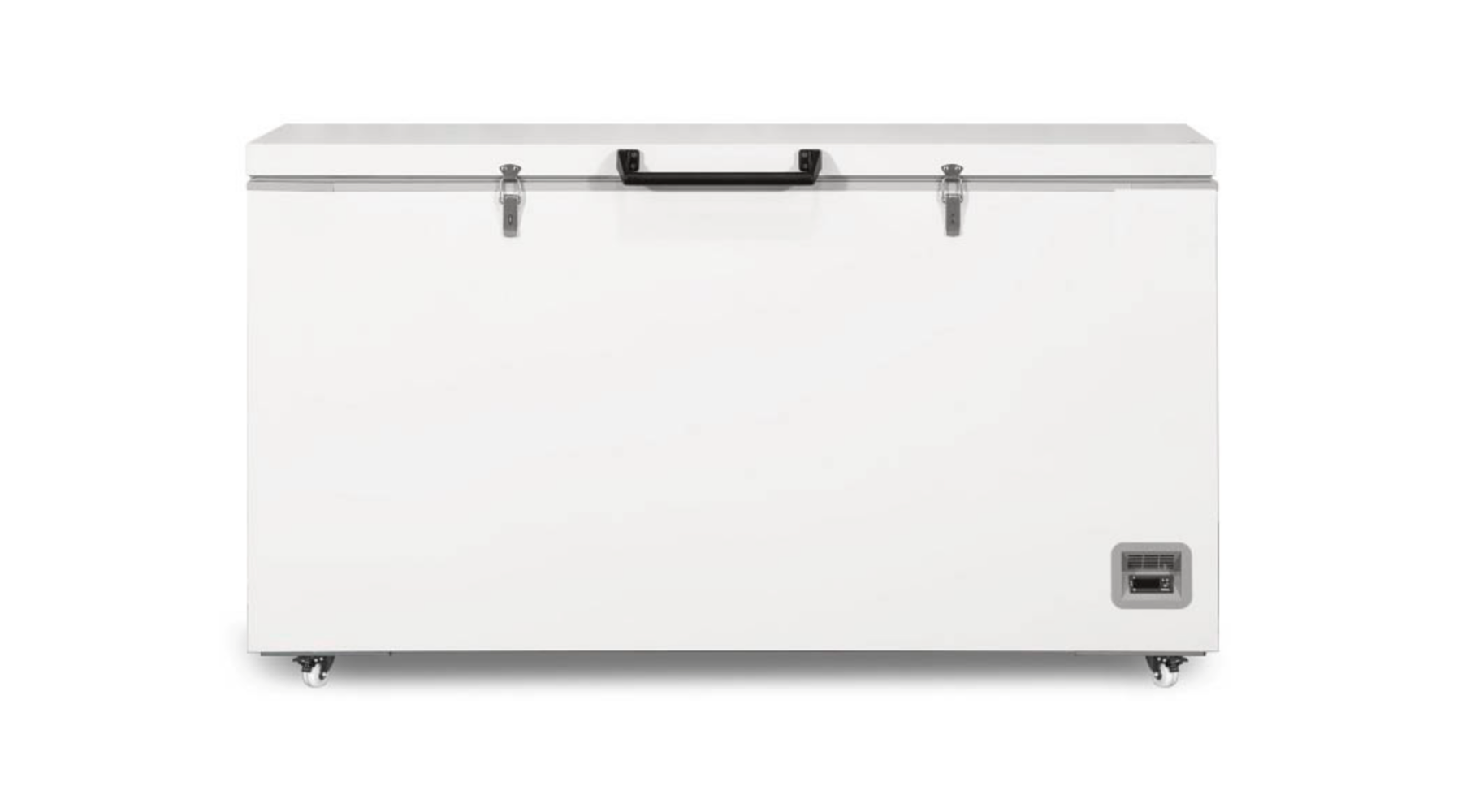
These freezers offer an intermediate solution between the -40°C freezer and the ultra low temperature freezer. They usually operate between -50°C and -60°C and are used when greater degree of preservation is required by not as much as ultra low temperatures freezing. Proteins, enzymes, serums and specialised reagents are often stored in a -60°C freezer. These temperatures almost completely halt microbial activity which makes it suitable for storage for extended periods of time.
ULT freezers
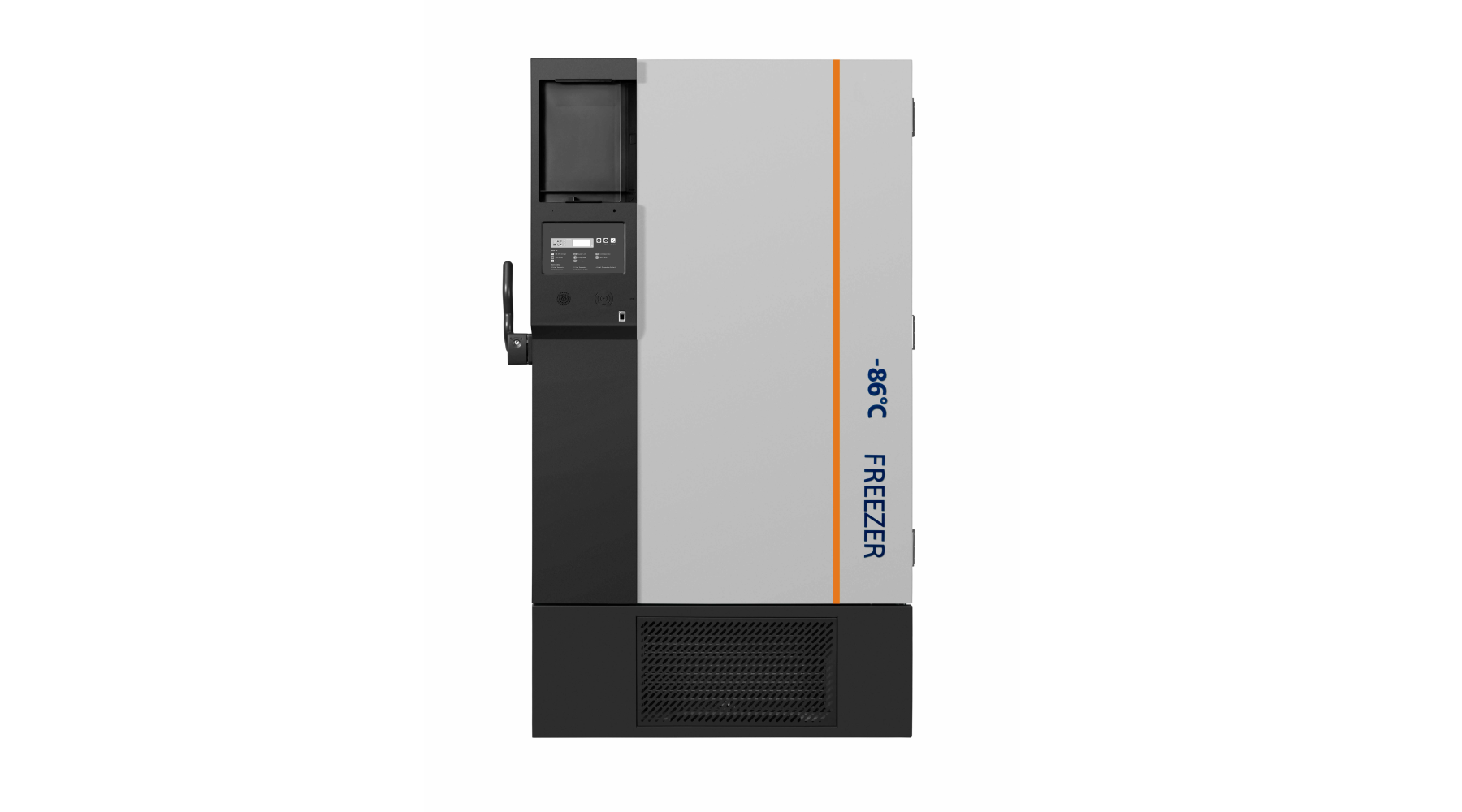
Ultra low temperature freezers commonly operate at about -80°C with temperatures as low as -86°C. These freezers are used for biomedical research, biobanking and clinical trials. These types of ultra low temperatures are used to store DNA, cell lines, tissue samples, bacteria, viruses and clinical specimens. Ultra low temperature freezers effectively stop biological activity which allows samples to be stored for many years.
Combination
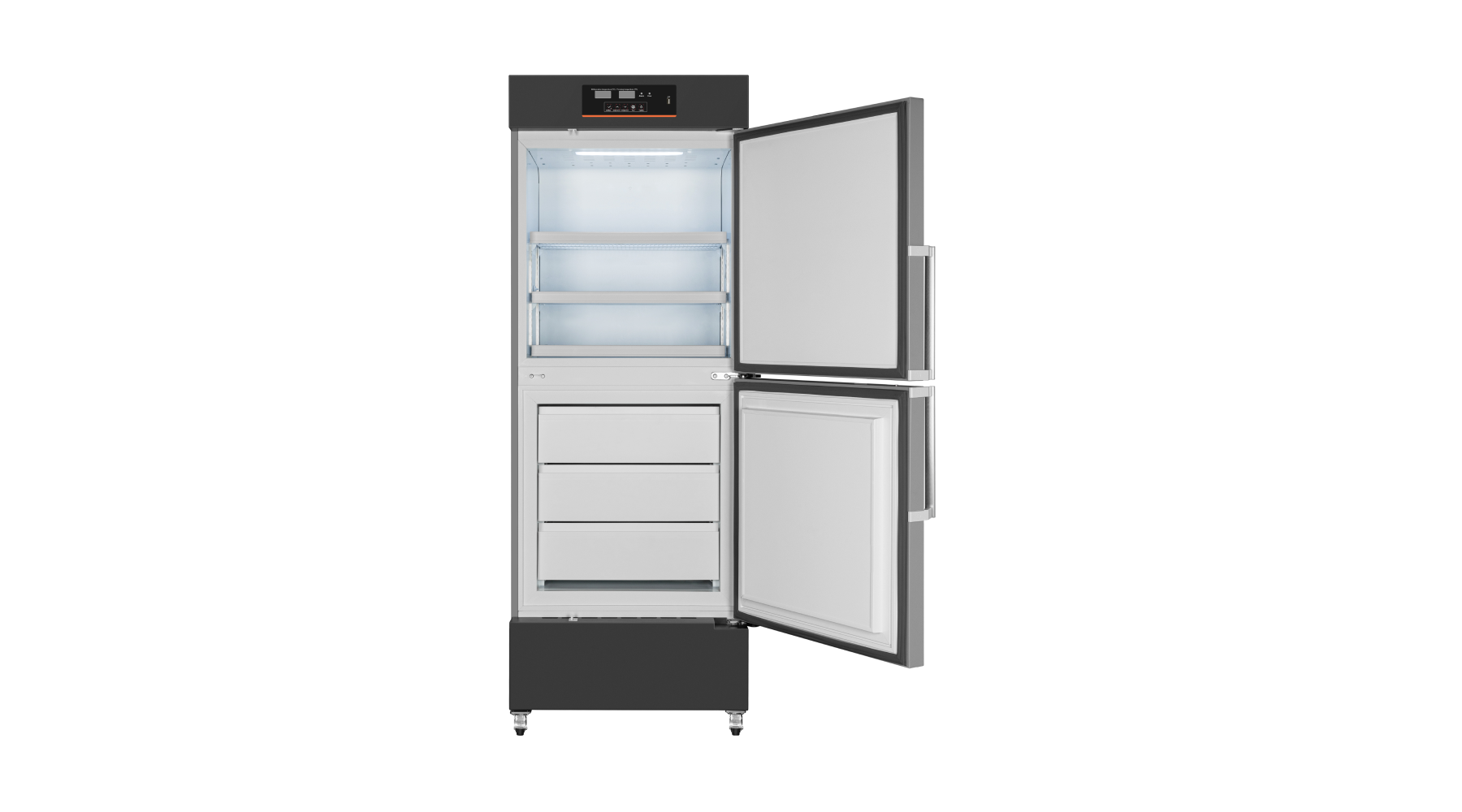
Combination medical fridges and freezers provide multiple temperature zones in a single cold storage unit. They are typically used in laboratories that require multiple storage temperatures. They are suitable for both reagents and biological samples as well as pharmaceuticals.
How to Choose the Ideal Lab Freezer Temperature
Choosing the right lab freezer temperature is critical for protecting sample integrity and ensuring accurate results. Different biological materials and pharmaceuticals need specific storage conditions and selecting the wrong temperature can lead to degradation, contamination and loss of valuable samples. Understanding storage needs is crucial to choosing the right lab freezer temperature.
- Be aware of the type of samples being stored: The most important consideration when choosing lab freezer temperature is the type of products and materials being stored. Biological samples like DNA, tissue and cell lines are extremely temperature sensitive and require ultra cold storage. Other products like pharmaceuticals that are temperature sensitive can be stored in less cool freezers like those of zero -20°C for shorter periods of time.
- Consider storage duration: How long medications or biological samples need to be stored is a major factor in the temperature lab freezer required. Short term storage often only requires standard freezing conditions. However, long term storage typically needs colder and more stable temperatures. As a general rule, short term storage requires about -20°C to -25°C , medium term storage -30°C to -40°C, and long term storage -60°C to -80°C.
- Take into account regulatory requirements: Laboratories operate under regulatory standards or clinical accreditation requirements. These standards specify storage conditions including temperature and monitoring procedures. Most pharmaceuticals like vaccines and medications have defined storage ranges as do clinical samples and biological materials. The lab freezer chosen must meet these temperature requirements. When the right temperature freezer is used, it helps ensure compliance during audits or inspections.
- Consider frequency of access: The amount of times a freezer door is going to be opened and closed in a laboratory is a significant factor to consider. Each time the door is opened the temperature is likely to deviate. If samples are going to be accessed on a regular basis, it may be worth considering choosing a higher freezer temperature such as -40°C to reduce strain on the ultra low freezers by frequent door openings.
- Plan for monitoring and stability: When choosing the lab freezer temperature, be aware that it must be maintained consistently. Look for freezers with reliable cooling, temperature control, monitoring and data logging systems.
How to Maintain the Lab Freezer Temperature
Once you have the right lab freezer temperature it is imperative to maintain it. Frequent door opening or poor air flow can cause temperature variations that will ruin samples. To maintain lab freezer temperature follow these steps.
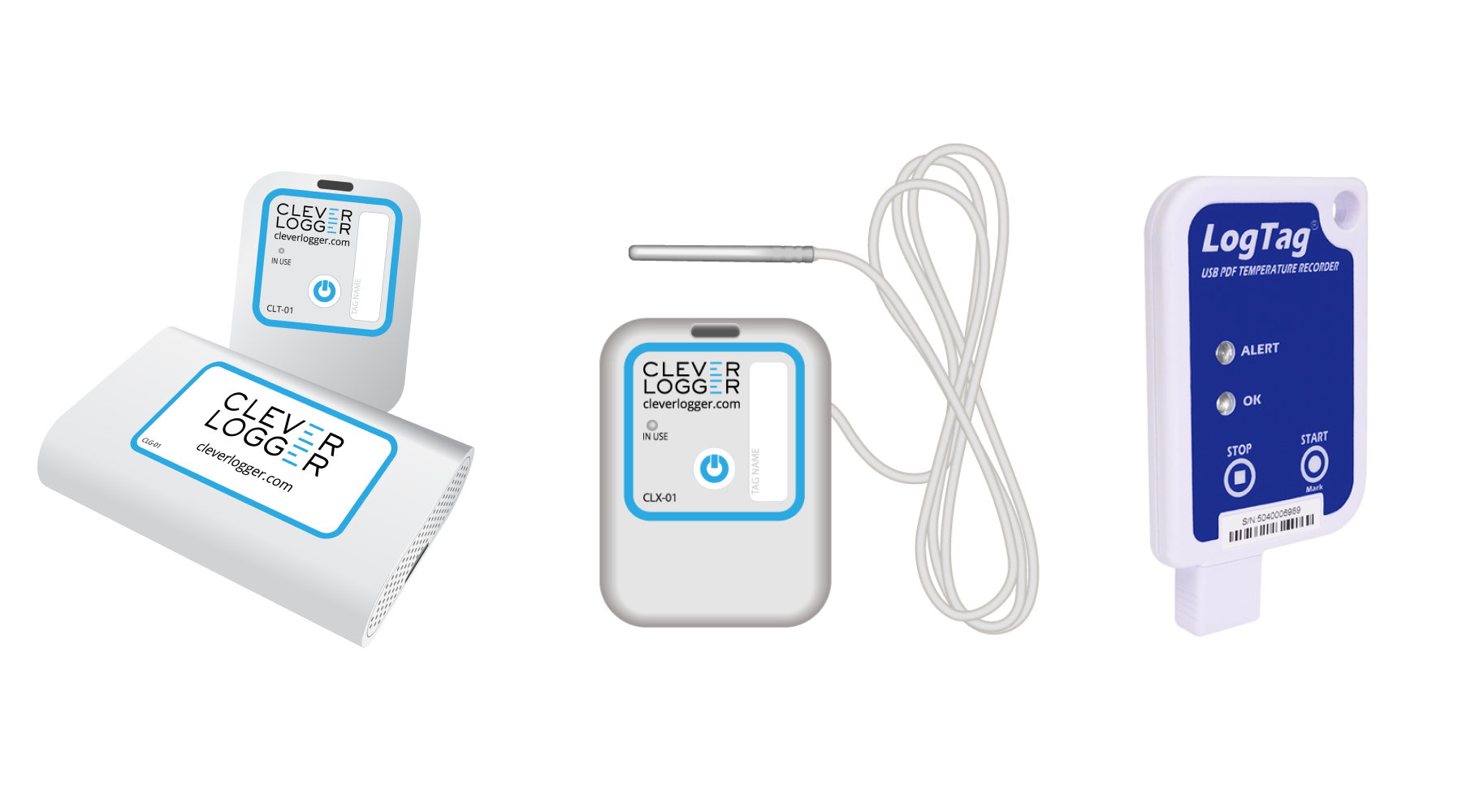
- Use continuous monitoring: This is one of the most effective ways to maintain lab freezer temperature parameters. Digital displays, data loggers and internal probes provide real time temperature readings and historical data. Alarms should be set up to alert to any deviation in temperature in a lab freezer, whether due to power failure, mechanical issues or door openings. Regularly reviewing the temperature logs is imperative to identify any issues before they escalate.
- Minimise door openings: Warm air enters the freezer every time the door is opened so it is important to minimise the amount of times that happens. To do this, organise samples carefully and clearly for easy access, use labelled storage boxes, and train staff on the importance of limiting door opening.
- Do not overload the lab freezer: Be cautious about the amount of samples or medications that are stored in the freezer. Overloading can restrict airflow and cause uneven cooling and temperature fluctuations.
- Regular maintenance: Make sure the lab freezer is regularly maintained for reliable operation. Maintenance includes inspecting door seals, cleaning condenser coils and checking fans. Consistent maintenance and inspection can prevent issues with the freezer before it results in temperature deviations outside acceptable limits.
Consequences of Incorrect Lab Freezer Temperature
When temperatures fall outside the recommended range for lab freezers, there can be severe consequences from sample degradation to failed experiments. The most important issues that can occur if the incorrect lab freezer temperature is used are:
- Sample degradation: Incorrect storage temperatures cause biological samples and tissues to break down which makes them unusable and permanently damaged.
- Inaccurate test results: Degraded samples lead to unreliable data and poor reproducibility of experiments or diagnostic tests.
- Non compliance: Failure to maintain specific temperature requirements can result in loss of accreditation, audit failures or regulatory penalties.
Choosing the right lab freezer temperature is imperative for the safekeeping of valuable biological samples and pharmaceuticals. Lab freezer temperature varies significantly so it is important to understand what type of lab freezer to use. Vacc-Safe are the experts in medical refrigeration and freezers, so contact them to find out about the ideal lab freezer temperature for your needs.